
Last updated November 15, 2026
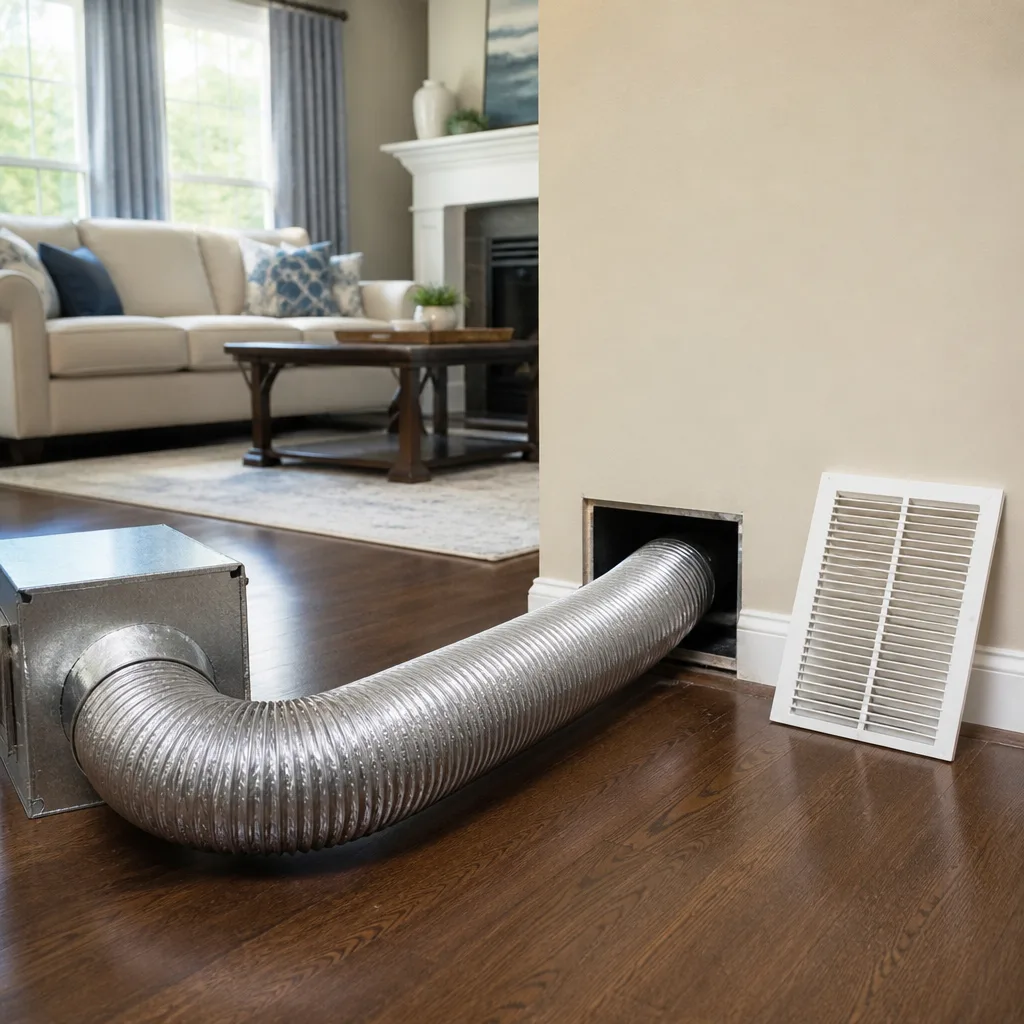 Whole-home duct cleaning
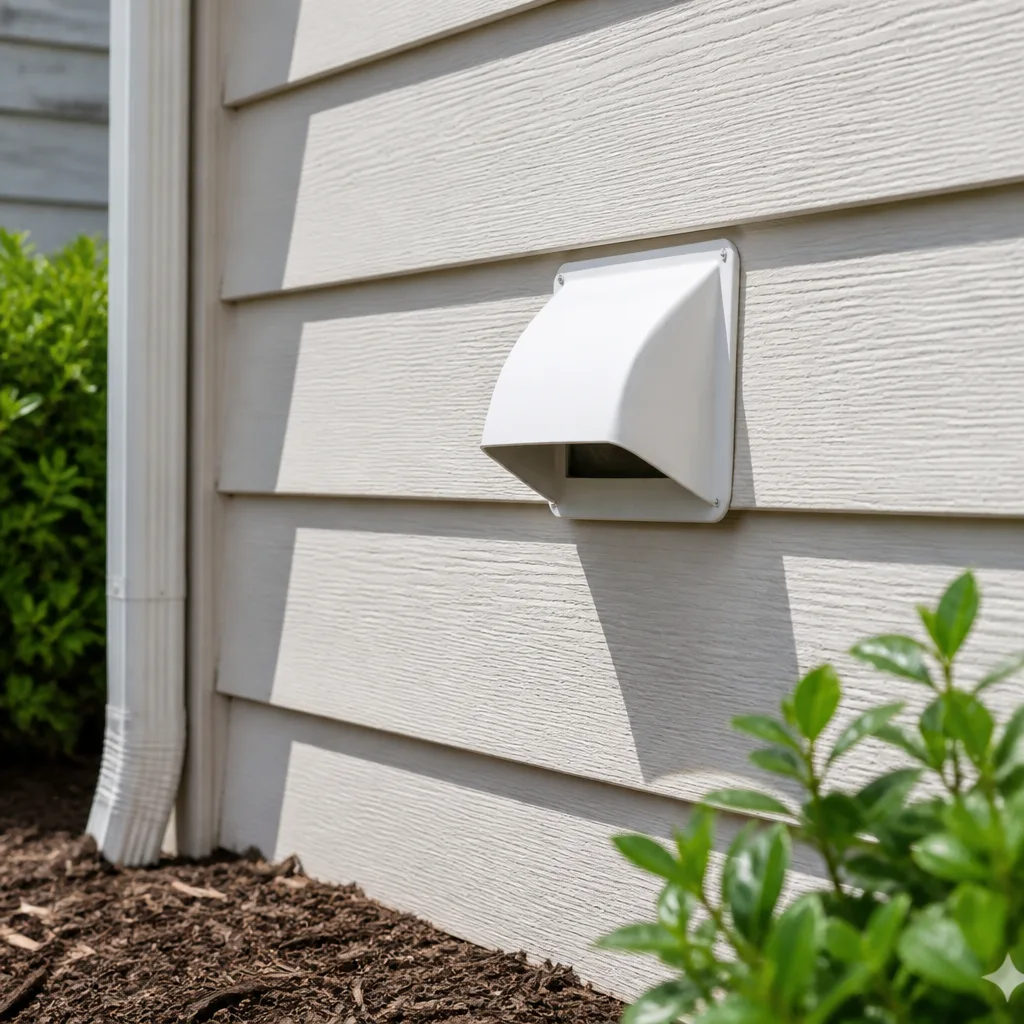 Dryer vent cleaning
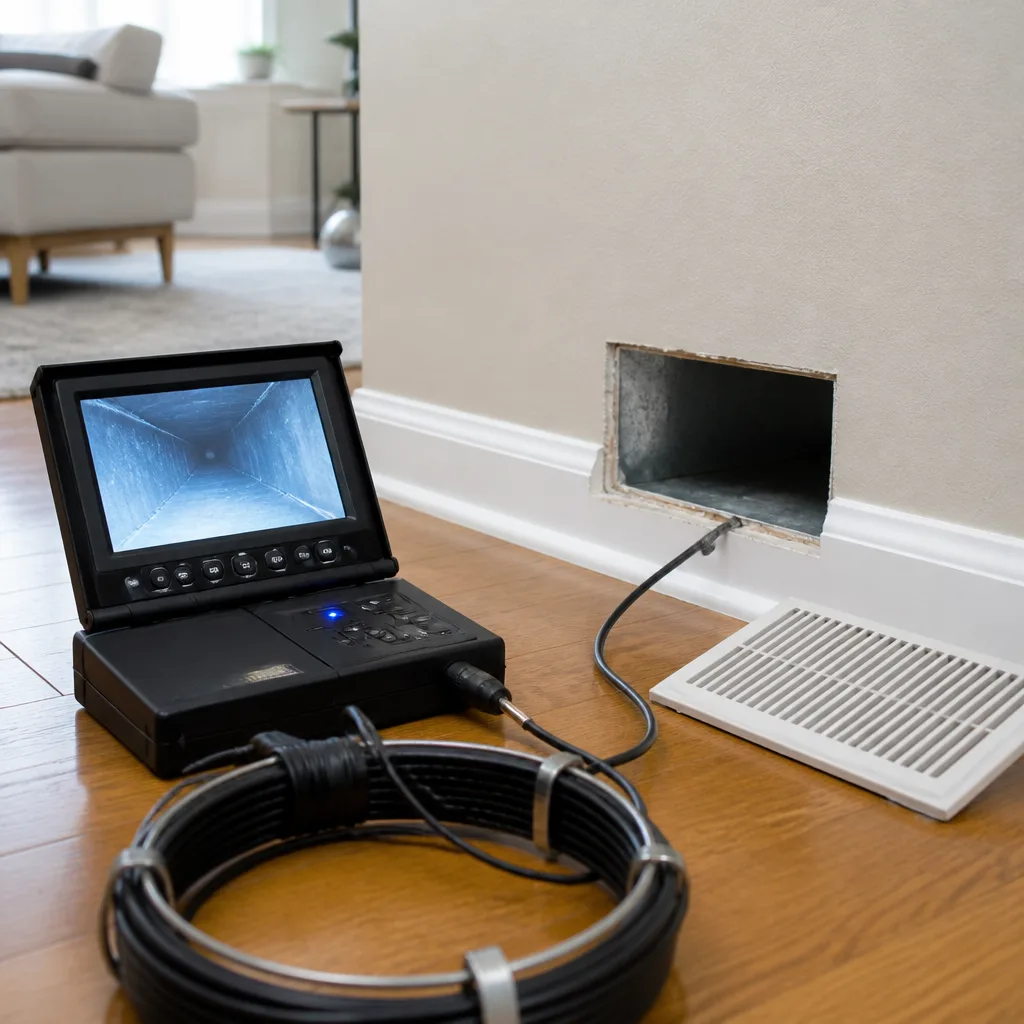 Camera inspection
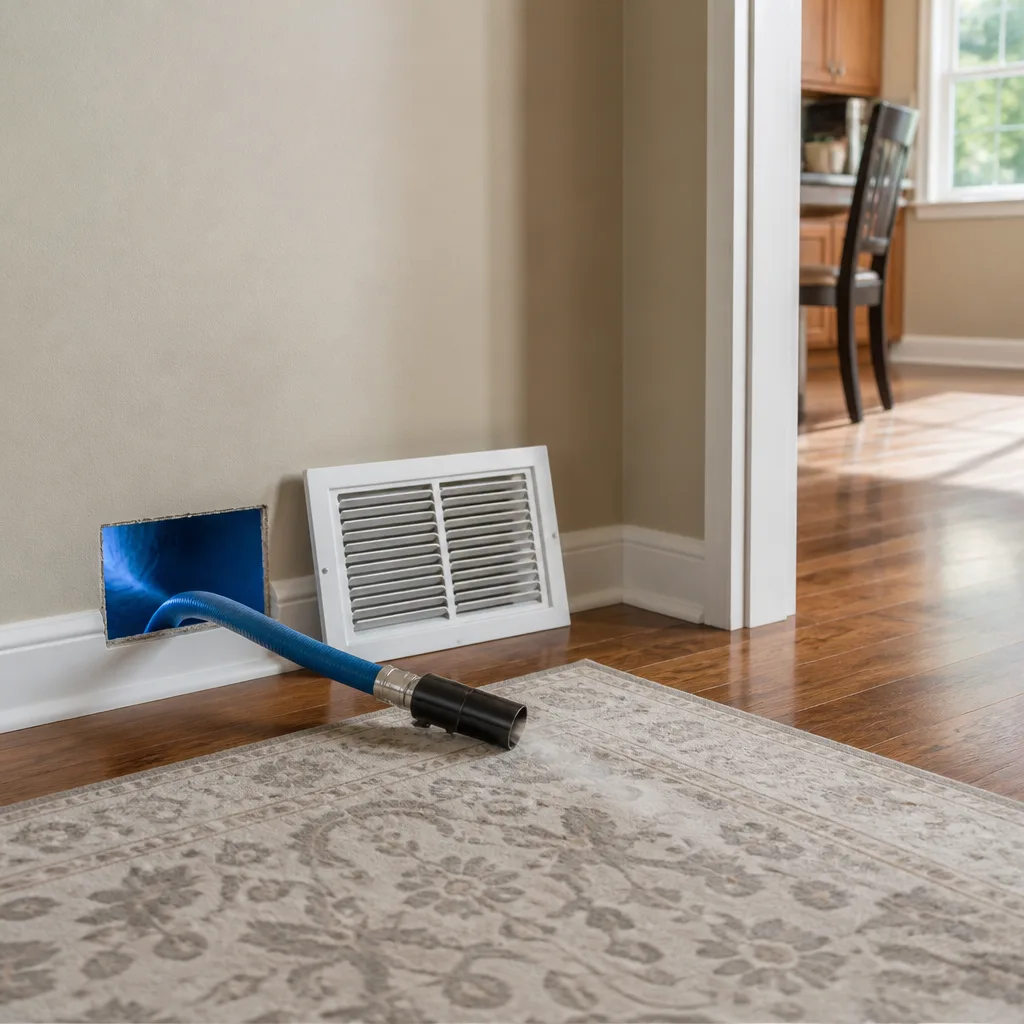 Sanitizing & deodorizing
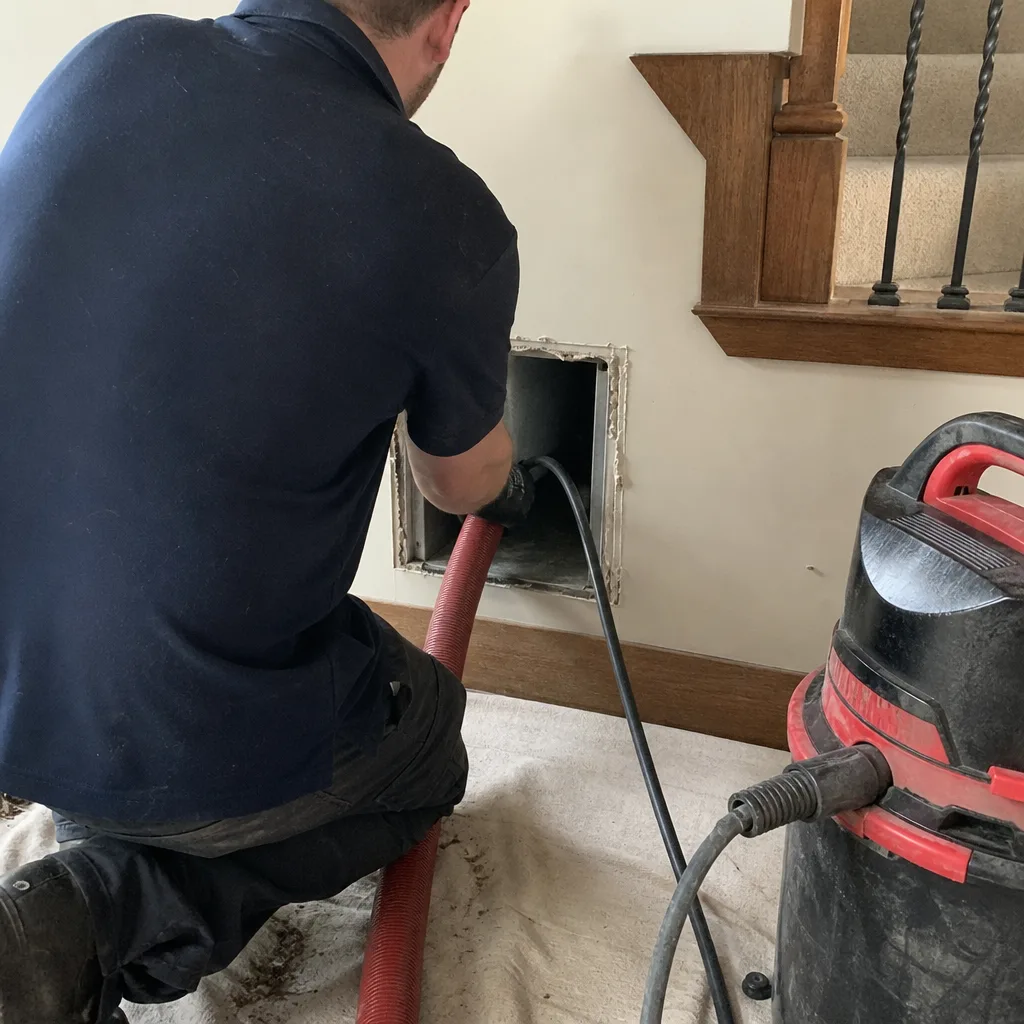
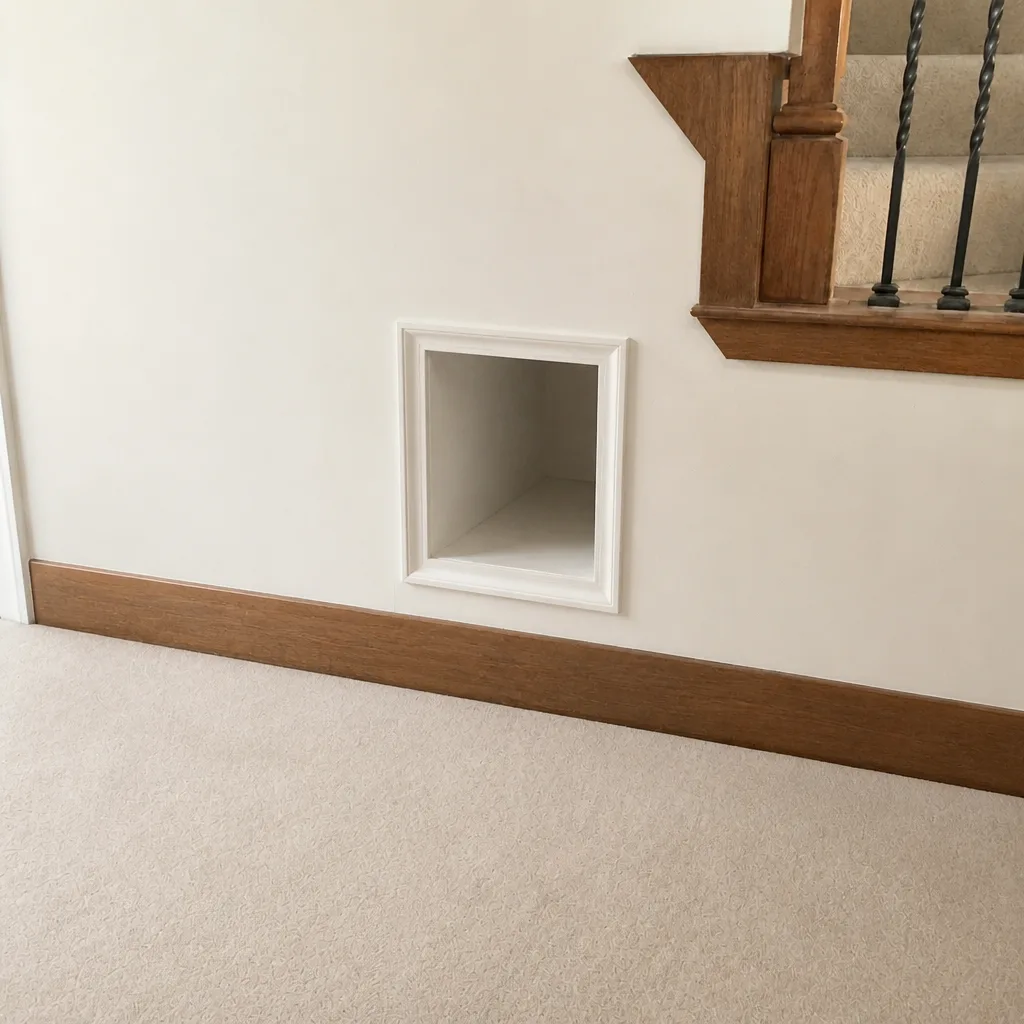
Whole-system duct and dryer vent check with before-and-after photos - you see exactly what came out of your vents
That "$99 whole-house special" is a bait ad - the real number appears once they are in your hallway, or the "clean" is a shop-vac at the register. We photograph the inside of your ducts before and after instead.
DIY vs Professional Air Duct Cleaning: The Portland Homeowner’s Decision Guide
Every DIY duct cleaning video that shows a shop vac duct-taped to a floor register is demonstrating the wrong end of the system to vacuum from. Suction at a single register pulls a little loose dust from that one branch and leaves the main trunk, the plenum, and the return side untouched. Worse, a consumer vacuum running at the wrong end of the system pressurizes the ducts slightly rather than depressurizing them, so what it does move it moves into the house, not out of it. This guide explains the airflow physics behind that, what rental equipment can actually accomplish in a Portland home, and which duct tasks are genuinely worth doing yourself. You’ll finish knowing where DIY ends and professional work begins.
Quick Answer
DIY air duct cleaning works for surface tasks: wiping register grilles, clearing the lint trap at the dryer, and changing filters on schedule. It does not clean the inside of the duct system, because source removal needs negative pressure held at the main trunk and the air handler, which consumer vacuums and rental units can’t generate. For anything beyond surface dust, professional cleaning with truck-mounted or high-CFM portable equipment is the only method that actually extracts what’s inside the ducts. In Portland, where damp winters keep humidity in the system for months, that difference matters more than it does in a dry climate.
Styles & brands we work with
- Whole-home duct cleaning
- Dryer vent cleaning
- Camera inspection
- Sanitizing & deodorizing
Table of Contents
- Why Airflow Physics Decide This Question
- What Consumer and Rental Equipment Can and Can’t Do
- The Duct Tasks You Can Genuinely Do Yourself
- Where DIY Attempts Go Wrong
- The Cost-Benefit Framework: When DIY Savings Are Real
- What Makes Portland Duct Systems Different
- Common Scenarios and What We Recommend
- Common Mistakes to Avoid
Why Airflow Physics Decide This Question
Here’s the counterintuitive part: a vacuum cleaner attached to a supply register is fighting the system’s own design. Ducts are built to distribute air from a central air handler outward through a branching tree of trunks and branches. When you pull air backward through one small branch, you create a small localized suction. The rest of the system stays at neutral pressure, and the loose debris you’re trying to remove sits in the main trunk and the return plenum where no suction reaches it.
Professional duct cleaning works on the opposite principle. The technician establishes negative pressure at the main trunk or the air handler, then uses a rotary brush or compressed-air whip to agitate debris loose from the branch walls. Because the whole system is under negative pressure, everything dislodged travels toward the collection point instead of into the room. That’s what source removal means: the contamination leaves the system at its source.
There’s a second physics problem most homeowners never hear about. Debris in ducts isn’t loose dust sitting on the floor of the duct. It’s adhered to the walls, held there by years of condensation cycling, static, and the light film that comes off cooking and cleaning. A brush has to physically contact the duct wall to break that bond. A vacuum alone, no matter how strong, won’t do it.
Supply side versus return side
Supplies push conditioned air into rooms. Returns pull air back to the air handler. Most of the accumulated debris in a Portland home sits in the return trunk and the plenum immediately downstream of the filter, because that’s where air moves slowest and where the filter catches less than people assume. Cleaning the supply branches while leaving the return untouched is like mopping a floor and leaving the mud pile in the doorway.
What Consumer and Rental Equipment Can and Can’t Do
Rental duct cleaning equipment available at Portland Home Depot locations typically runs in the 150 to 300 CFM range for the small units and up to around 500 CFM for the larger ones. Professional portable duct cleaning units are rated at 2,000+ CFM, and truck-mounted systems run higher still. That’s not a small gap. It’s a factor of four to six times the airflow, and airflow is what carries debris out.
CFM alone doesn’t tell the whole story, though. The other half of the equation is the negative-pressure enclosure. Professional setups like the Rotobrush and Nikro systems we use create a contained cleaning environment: the vacuum pulls from the trunk while the rotary brush runs down each branch, and a capture system filters the exhaust so dislodged contaminants are collected rather than exhausted back into the home. Abatement Technologies air filtration equipment handles that capture step on every job we run.
What rental units can do
- Pull light surface dust from short, straight, accessible duct runs
- Vacuum register grilles and the immediately adjacent branch
- Reach into straight flex duct that hasn’t collapsed or settled
- Provide useful agitation on a single problem duct you can visibly see
What rental units cannot do
- Establish and hold negative pressure across an entire system
- Clean the main trunk, the plenum, or the return side
- Reach around elbows, past offsets, or into long horizontal runs
- Break the adhered film on duct walls without a rotary brush or air whip
- Contain contaminants during cleaning without an external filtration unit
The Duct Tasks You Can Genuinely Do Yourself
We’re not going to tell you everything needs a professional. Some of the most valuable maintenance you can do costs almost nothing and doesn’t touch the inside of the duct system at all. Here’s what’s worth your time:
- Clean the register grilles. Remove each supply and return grille, wash it in the sink with mild soap, dry it fully, and reinstall. Grilles collect visible dust film faster than duct interiors do, and a clean grille makes a real difference to the air you see and smell.
- Clear the dryer vent lint trap every load. This is the single highest-value task on this list. The NFPA identifies lint buildup in dryer vents as a leading cause of residential fires. Empty the trap before every cycle, and periodically vacuum the trap housing itself.
- Replace filters on schedule. A clogged filter strains the air handler and reduces airflow through the whole system. Follow the filter manufacturer’s interval, and shorten it during Portland’s dusty late-summer stretch or if you have pets.
- Vacuum the floor around return grilles. Dust that settles near a return intake gets pulled into the system on the next cycle. Catching it at the floor is easier than catching it in the duct.
- Check visible flex duct in the crawlspace or attic for obvious damage. Look, don’t touch. If you see a disconnected joint, a crushed run, or a tear, note it and have it looked at by a professional.
That list is honest. It’s also about the limit of what a homeowner can do without professional equipment. Rotobrush systems, Nikro vacuums, and the filtration gear our technicians carry exist for a reason: they solve problems that hand tools and rental units can’t.
Where DIY Attempts Go Wrong
We’ve seen the aftermath enough times to know the pattern. The homeowner means well, rents a unit, does the work carefully, and ends up with a bigger problem than they started with. Here’s how that happens:
- Punctured flex duct. Rotary brushes and even stiff vacuum hoses puncture the thin plastic liner of flex duct if they hit a sharp turn at the wrong angle. A pinhole leak in a supply run sends conditioned air into the crawlspace instead of the room.
- Dislodged connections in crawlspace systems. Portland homes with crawlspace ductwork often have flex or rigid duct joined with mastic or foil tape. Agitation from a rental unit can break a joint that was marginal to begin with, and the leak goes undetected until a heating bill spikes.
- Spread mold during dry brushing. Mold spores in a duct don’t need much encouragement to go airborne. Dry brushing without proper containment and filtration sends spores into the living space, which is the opposite of what a homeowner trying to improve indoor air quality wants.
- Collapsed runs from over-aggressive vacuuming. Older rigid duct with thin gauge walls can be crushed by a high-CFM vacuum applied at the wrong point without proper pressure balancing.
- Filter bypass from improper register removal. Grilles and registers that aren’t fully reseated leave gaps that let unfiltered air bypass the filter media.
Each of these is fixable, but each is also a repair bill a homeowner didn’t plan for. The cost-benefit math flips fast when DIY work creates new damage.
The Cost-Benefit Framework: When DIY Savings Are Real
This is where we try to be honest about the numbers. A rental vacuum duct cleaning in Portland typically costs $60 to $130 for a half-day rental, plus your time. A professional whole-system cleaning is a bigger line item because it includes equipment, technician labor, filtration, and the time to actually do the work thoroughly. The question is not whether DIY is cheaper on the day. It is. The question is whether the cheaper option does the job.
When DIY savings are real
- You’re maintaining a system that was professionally cleaned recently and just needs ongoing register and filter care
- Your ducts are short, straight, and fully accessible, and you can see the interior condition
- You have a single visible dusty branch and want to hit it before the next scheduled cleaning
- Your primary concern is grille appearance rather than air quality or system performance
When DIY savings get absorbed by future costs
- Your home has visible dust patterns around registers, which usually points to a system-wide issue
- Anyone in the home has allergies or asthma, and the priority is airborne particulate reduction
- You’ve recently renovated, and construction dust has moved through the system
- You’re buying or selling and the inspection report flagged the ducts
- Your dryer vent hasn’t been cleaned in years, which isn’t a duct cleaning question, it’s a fire safety question
We offer free estimates because the answer depends entirely on the system, and the system is different in every Portland home. A written estimate sets the price per system before any work starts, so you know exactly what the job costs before you decide whether to do it yourself or hire us. No per-vent pricing, no surprise line items.
What Makes Portland Duct Systems Different
Portland’s wet climate shapes duct conditions in ways that dry-climate guides never mention. From roughly October through April, outdoor humidity sits high enough that crawlspace and attic duct systems experience continuous condensation cycling. That cycle is the single biggest driver of duct interior film, the dark, slightly sticky coating you can sometimes see through a register or on a flex duct liner.
Crawlspace ductwork is the norm in most Portland neighborhoods, and it’s a different animal from the attic duct systems you see in Sun Belt homes. Crawlspace runs tend to be longer, with more joints and more opportunities for small leaks. Older homes in neighborhoods like Sellwood and Irvington often have rigid duct with original joints that have gone decades without inspection. Newer construction in outer Southeast and North Portland tends to use flex duct, which moves air efficiently but is vulnerable to crushing and puncturing.
The climate also means Portland homes run the system differently. You’re heating for more months than a Phoenix home runs cooling. That means more air cycles, more debris draw, and more hours of contact between moving air and duct walls. It’s one reason we recommend inspection rather than a fixed schedule: the right interval is based on what’s actually happening in your system.
Filter selection matters too
A lot of Portland homes run a MERV 8 or MERV 11 filter, which is reasonable for most houses. Higher MERV filters capture more particles but also reduce airflow, which strains the system if your ductwork wasn’t sized for them. If you’re unsure which filter rating your system supports, that’s a good question for a technician during your estimate.
Common Scenarios and What We Recommend
Every home is different, but a few scenarios come up often enough to be worth naming directly.
You see dust patterns around registers
Visible dust trails around a supply or return grille usually mean debris is actively moving through the system. Cleaning the grille helps appearance, but the source is inside the duct. Professional cleaning is the right first step, followed by regular filter changes.
You have an allergy sufferer in the home
This is a health-context question as much as a cleaning one. Professional cleaning with proper filtration like Abatement Technologies equipment captures what’s dislodged rather than recirculating it. If the home also runs a Honeywell or Aprilaire whole-home air quality system, getting the ducts cleaned means the filter isn’t fighting the debris in the ducts it pulls from.
You’ve just finished a remodel
Construction dust moves through a home’s system even with plastic sheeting in place. Post-renovation is one of the clearest cases for professional cleaning. If the system design in your home also has a whole-home humidifier from Aprilaire or a Guardsman component, those systems need to be checked for construction debris during the visit.
Your dryer is taking longer than it used to
That’s a dryer vent problem, not a duct cleaning problem. It’s also the one to take seriously most urgently, because lint buildup restricts airflow and creates the fire risk the NFPA keeps flagging. We run dedicated dryer vent cleaning as a separate service for exactly this reason. If you’re not sure whether your ducts or your dryer vent is the issue, we can look at both during one visit. Our dryer vent cleaning service is separate from duct cleaning because the equipment and the safety protocol are different.
Common Mistakes to Avoid
- Vacuuming only the register you can reach. Cleaning one supply doesn’t touch the return trunk where most debris lives. Without pressure at the source, cleaning a single branch doesn’t change what the system distributes.
- Skipping the return side entirely. Return trunks are the dustiest part of most systems, and they’re the part homeowners most often miss.
- Using a wet/dry vac without a filter rated for fine dust. Standard shop vac filters pass fine particulate straight through. Cleaning a Portland duct with a basic shop vac can briefly worsen indoor air quality rather than improve it.
- Ignoring the dryer vent. Dryer vent lint accumulation is a documented fire risk, and it’s the most common residential duct-related hazard we see. It’s a separate maintenance task from duct cleaning, and it’s worth scheduling regularly.
- Bleach fogging or spraying the ducts with an antimicrobial before cleaning. Applying any product to the ducts before removal is done just coats debris that still needs to leave the system. If there’s a concern that warrants more than cleaning, that’s a repair conversation, not a spray-and-call-it-done job.
- Assuming a fixed cleaning interval works for every home. A home in a dry-stretch climate with a new system and good filtration isn’t the same as a 1970s crawlspace build in outer Southeast Portland. The right interval depends on what’s growing inside your ducts, not a calendar.
- Hiring the cheapest quote without checking the equipment list. If the technician arrives with a shop vac and a hose, that’s not duct cleaning, that’s a surface pass. Ask before the appointment what they run. Rotobrush, Nikro, and Abatement Technologies equipment is a reasonable floor.
See the difference
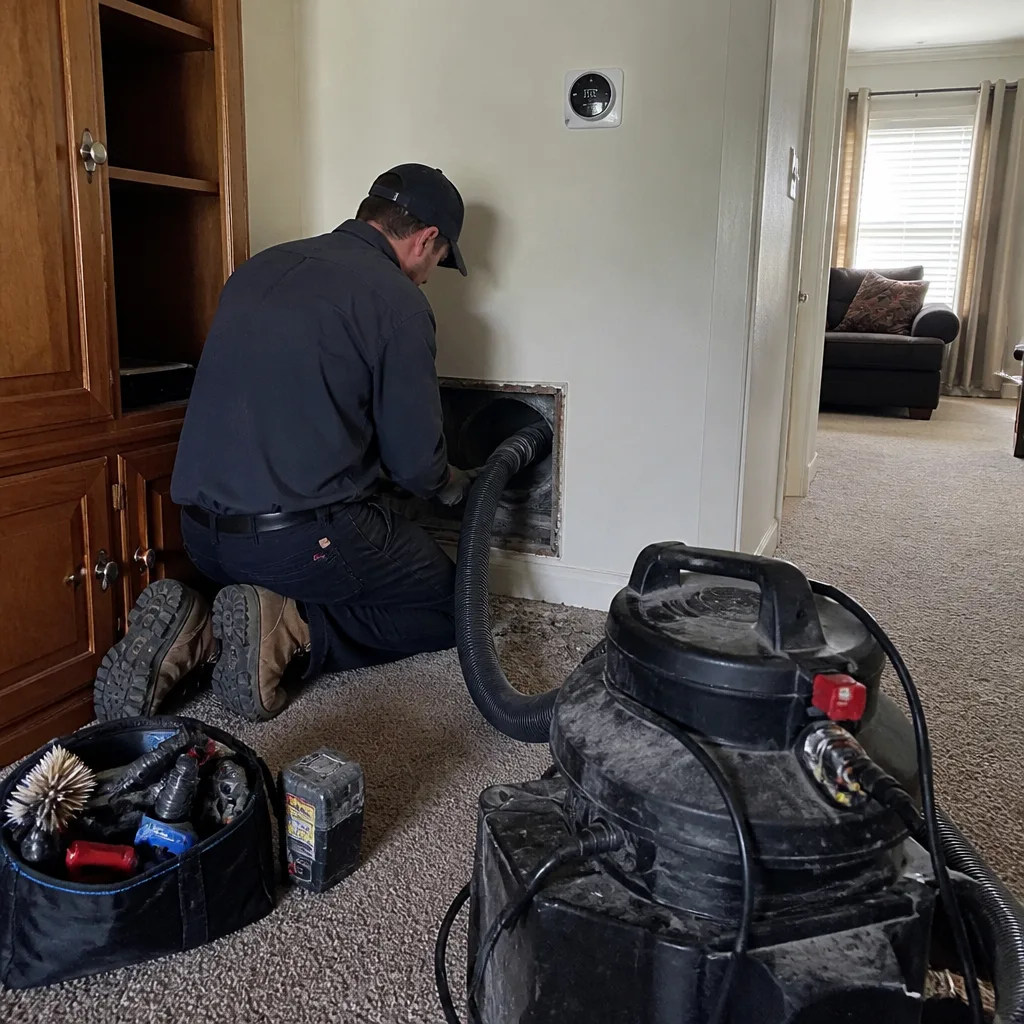 Before
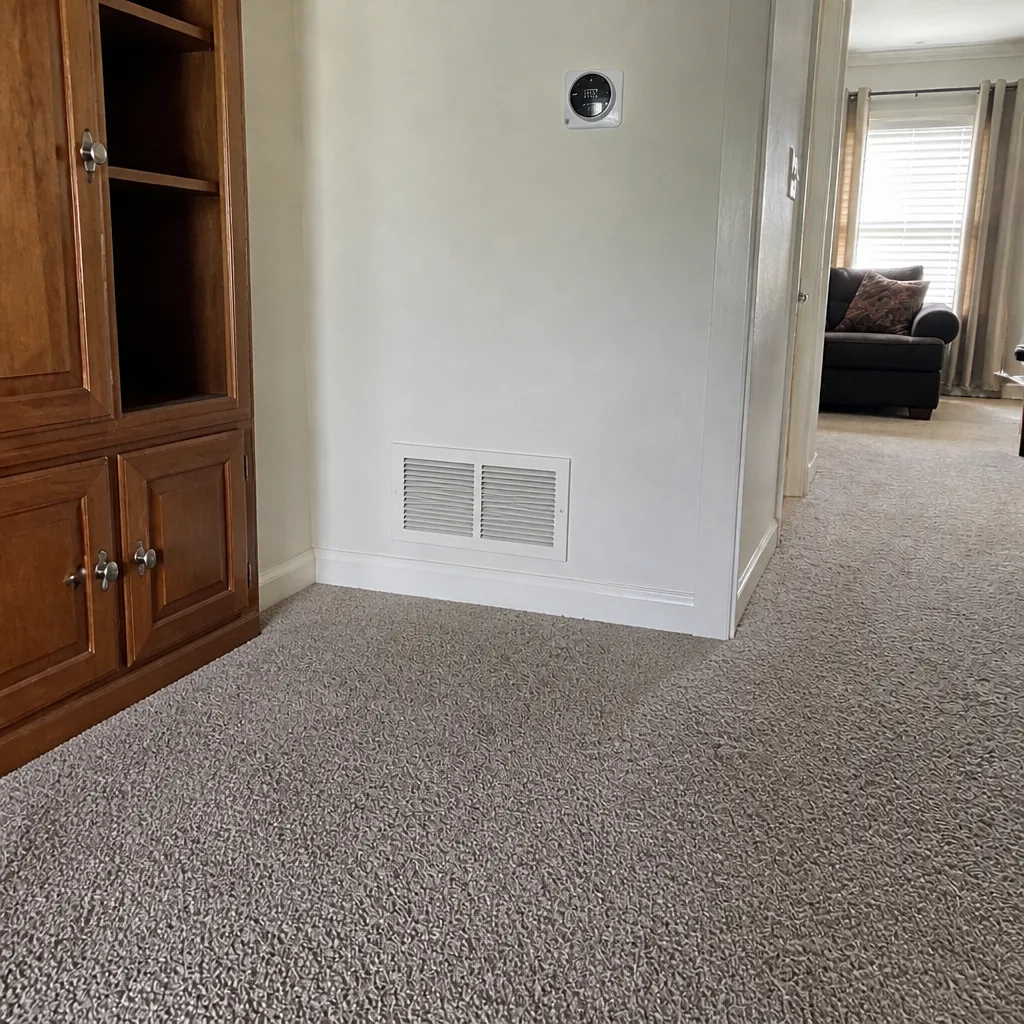 After
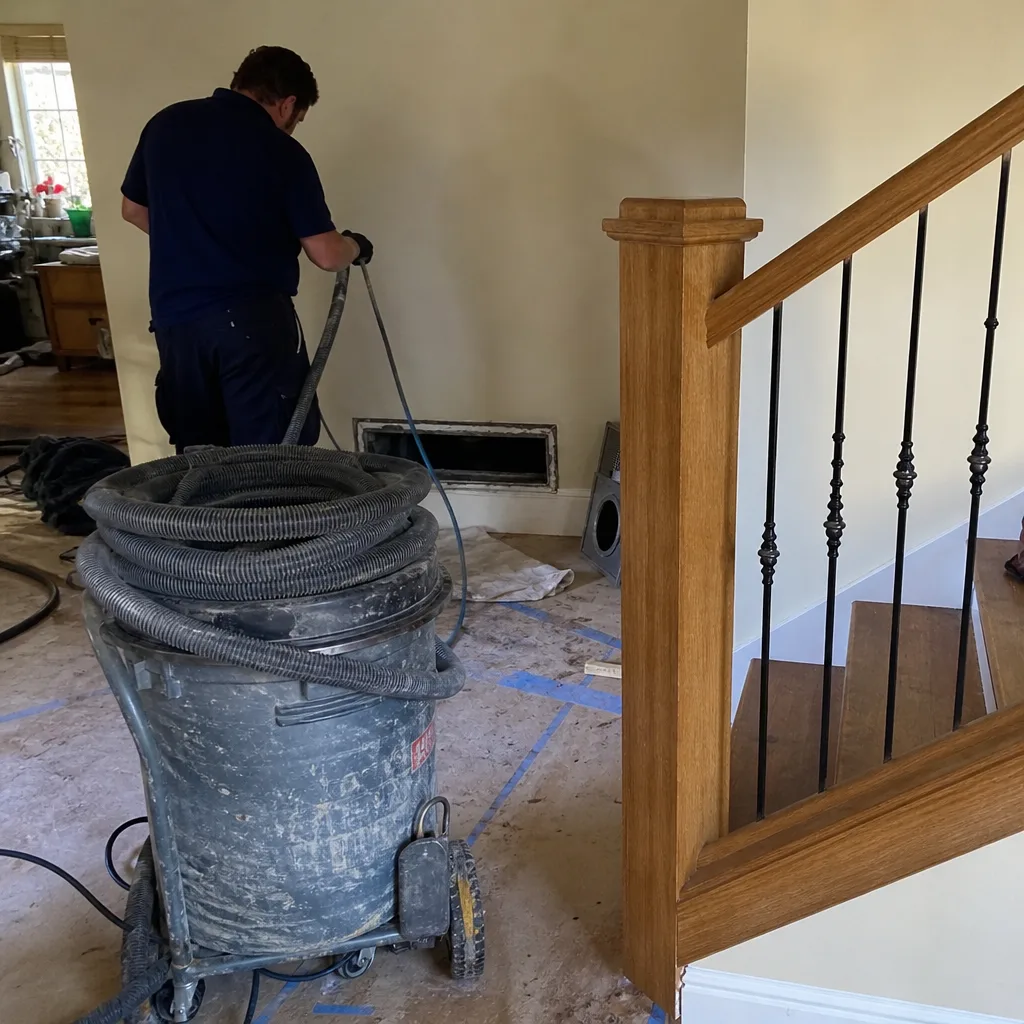 Before
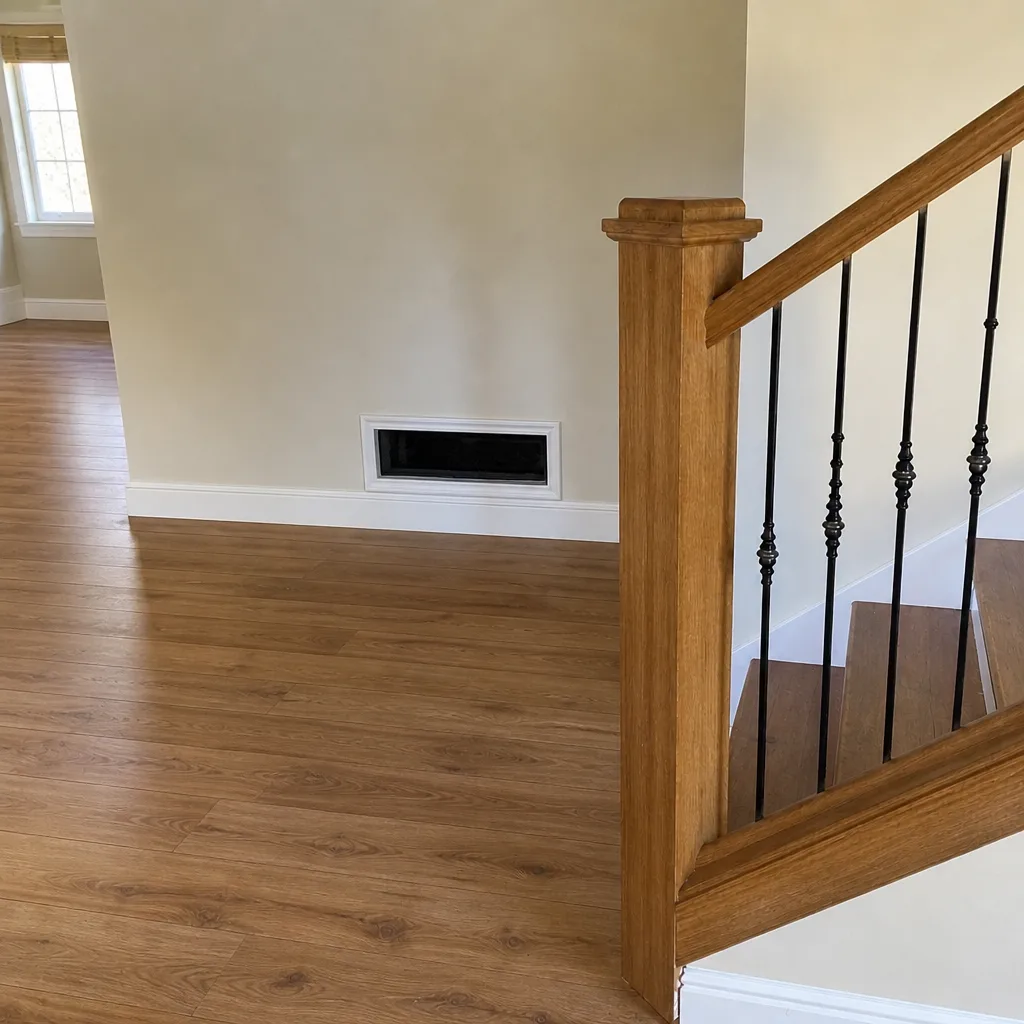 After
 Before
 After
When to Call a Professional
Call a professional if any of the following is true: you see visible dust patterns or dark film around registers, someone in the home has persistent allergy symptoms that worsen indoors, you’ve just finished a renovation, you’re moving into a Portland home and don’t know when the ducts were last cleaned, your dryer vent hasn’t been touched in recent memory, or you’ve had any prior DIY attempt that left a duct connection questionable. Also call if you simply want a real inspection and a written estimate before deciding whether cleaning is worth it. Steadfast Air Duct Cleaning offers free estimates in Portland, and our technicians have up to 8 years of experience. Call (877) 957-0767. We answer 24/7. Fast dispatch from 7am to 7pm, Sunday through Friday.
Frequently Asked Questions
Not the inside of the system, no. A homeowner can clean register grilles, replace filters, clear the dryer lint trap, and vacuum near return grilles. Cleaning the interior of the duct system requires negative pressure at the trunk and rotary agitation on each branch, which consumer and rental equipment doesn’t provide. For duct interior cleaning, professional equipment is the only effective method.
It’s worth it for one narrow use case: pulling light dust out of a short, straight, accessible duct you can see the inside of. It will not clean the main trunk, the return side, or the full system. Rental units run in the 150 to 500 CFM range, while professional portable duct cleaning units run 2,000+ CFM, which is a different category of machine. If your concern is whole-system air quality, a rental won’t get you there.
Every home is different, and the honest answer is that pricing depends on system size, duct configuration, and the condition we find during inspection. That’s why we set a flat price per system in a written estimate before any work starts. There’s no per-vent pricing and no bait-and-switch coupon, which is a problem homeowners reasonably worry about in this trade. Call (877) 957-0767 for a free estimate, and we’ll give you a real number for your specific system.
Usually because the equipment or the scope is different. A low quote often reflects a shop vac and a single pass through one or two registers, which does very little for the return trunk or the plenum. Ask up front what equipment the company uses, whether they clean both supply and return sides, and whether they run capture filtration during the job. If the answer is vague, the price gap is reflecting the scope, not the value.
Ask for before-and-after photos of your own ducts. A professional who cleans the return trunk and the plenum will have visual evidence that it was cleaned, and you should be able to see that evidence yourself. At Steadfast Air Duct Cleaning, we take photos because the confidence of the work should be visible, not just described.
When should I call a professional for an air duct cleaning in Portland?
Call for any of these: visible dust patterns around registers, an upcoming move-in or move-out, recent renovation work, persistent indoor allergy symptoms, or any prior DIY attempt that leaves a duct joint in question. If your question is about the dryer, that’s a separate visit: our crews handle Portland dryer vent cleaning as a dedicated service because of the fire risk involved. And if a duct run has been crushed, punctured, or disconnected, air duct repair is what you actually need before cleaning is worth doing, since cleaning a compromised duct is just pulling air through a hole.
Then an inspection is the right first step, before assuming you need a cleaning and before assuming you don’t. A proper inspection includes the return trunk, the plenum, and a representative sample of supply branches. If what we find doesn’t warrant cleaning, we’ll tell you. Free estimates mean there’s no cost to finding out.
Not with proper equipment. The Abatement Technologies filtration units we run on every job are specifically designed to capture dislodged contaminants as they’re pulled out of the system, rather than letting them recirculate through the home. This is one of the main technical reasons well-run professional cleaning is cleaner to live through than DIY attempts, which often agitate debris without capture.
We use Rotobrush and Nikro systems, the same class of equipment used by commercial contractors. We run Abatement Technologies air filtration on every job. We work with Honeywell and Aprilaire whole-home air quality systems when homes have them installed. The equipment matters because the physics of duct cleaning require both high CFM and proper capture, and consumer equipment offers neither at a level that makes a real difference to system condition.
Yes. Air duct repair is a standalone service we offer specifically because damaged ductwork is common enough to warrant it. Whether the issue is a punctured flex liner, a disconnected joint in a crawlspace, or a crushed rigid run, we can seal, patch, or restore the compromised section. Call (877) 957-0767 for an assessment before scheduling cleaning, since repairing first makes the cleaning more effective.
The Bottom Line
DIY duct cleaning isn’t ineffective because homeowners aren’t capable. It’s ineffective because consumer equipment generates the wrong pressure in the wrong place, and the debris lives at the source, not at the register. Your best DIY moves are grille cleaning, filter replacement, and dryer lint trap care, and those are genuinely worth doing. The duct interior is a different category. If your ducts have visible dust patterns, an upcoming move, or a health concern driving the question, the right call is an inspection with professional equipment. Steadfast Air Duct Cleaning offers free estimates in Portland, and our technicians have up to 8 years of experience. Call (877) 957-0767. We answer 24/7. Fast dispatch from 7am to 7pm, Sunday through Friday.
Contact
If you’ve read this far and you’re still not sure which side of the DIY line your home’s system falls on, call (877) 957-0767 for a free estimate. We’ll look at the whole system, give you a written price per system before any work starts, and give you an honest answer about whether cleaning is needed. Steadfast Air Duct Cleaning offers three focused services: air duct cleaning, dryer vent cleaning, and air duct repair. Our technicians have up to 8 years of experience. We answer 24/7. Fast dispatch from 7am to 7pm, Sunday through Friday.
Written by the team at Steadfast Air Duct Cleaning.