
Last updated November 15, 2026
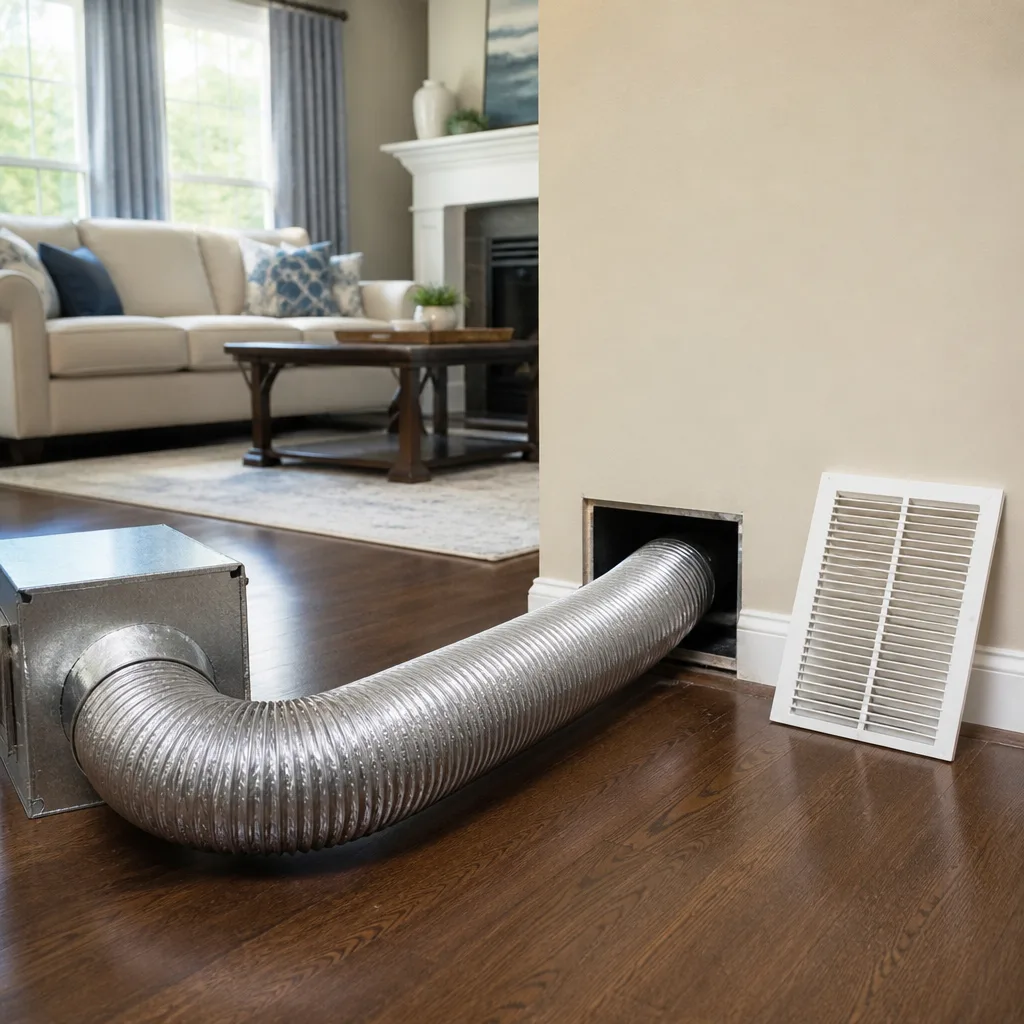 Whole-home duct cleaning
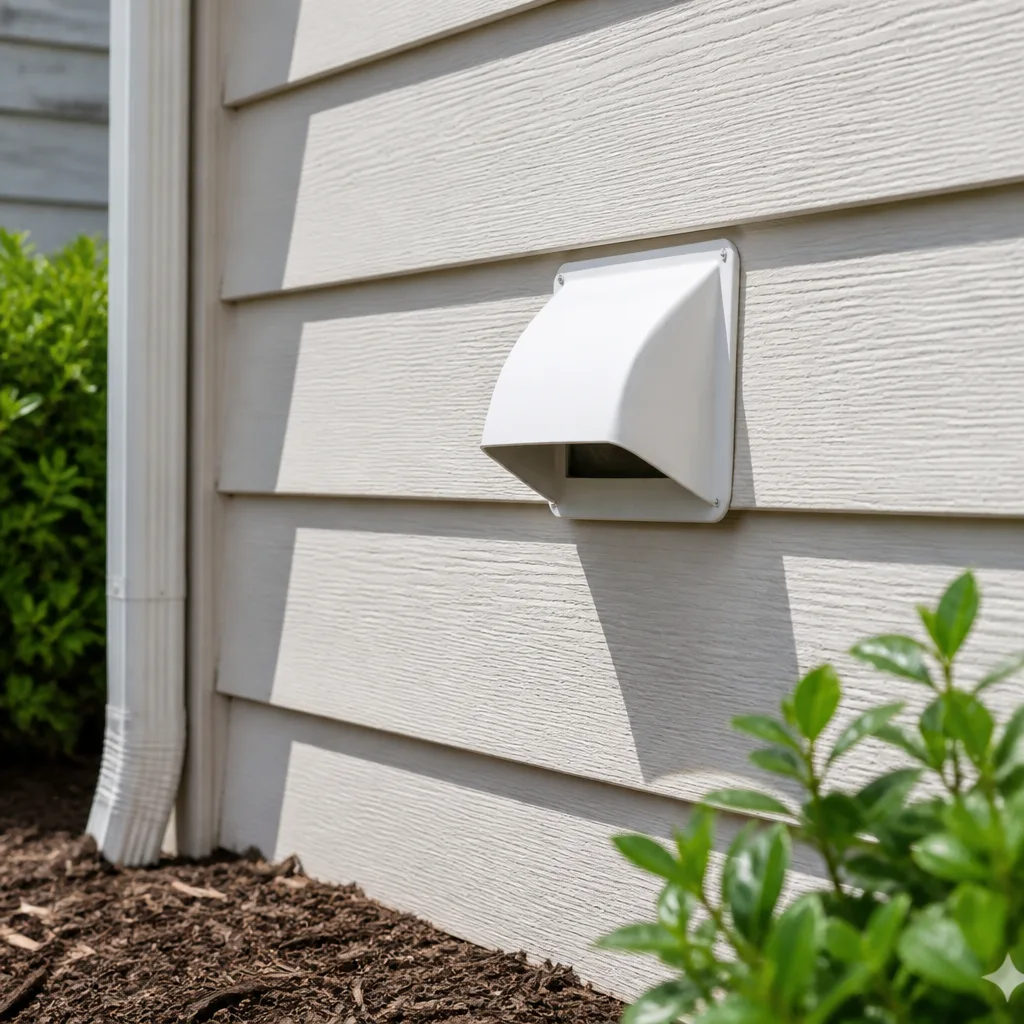 Dryer vent cleaning
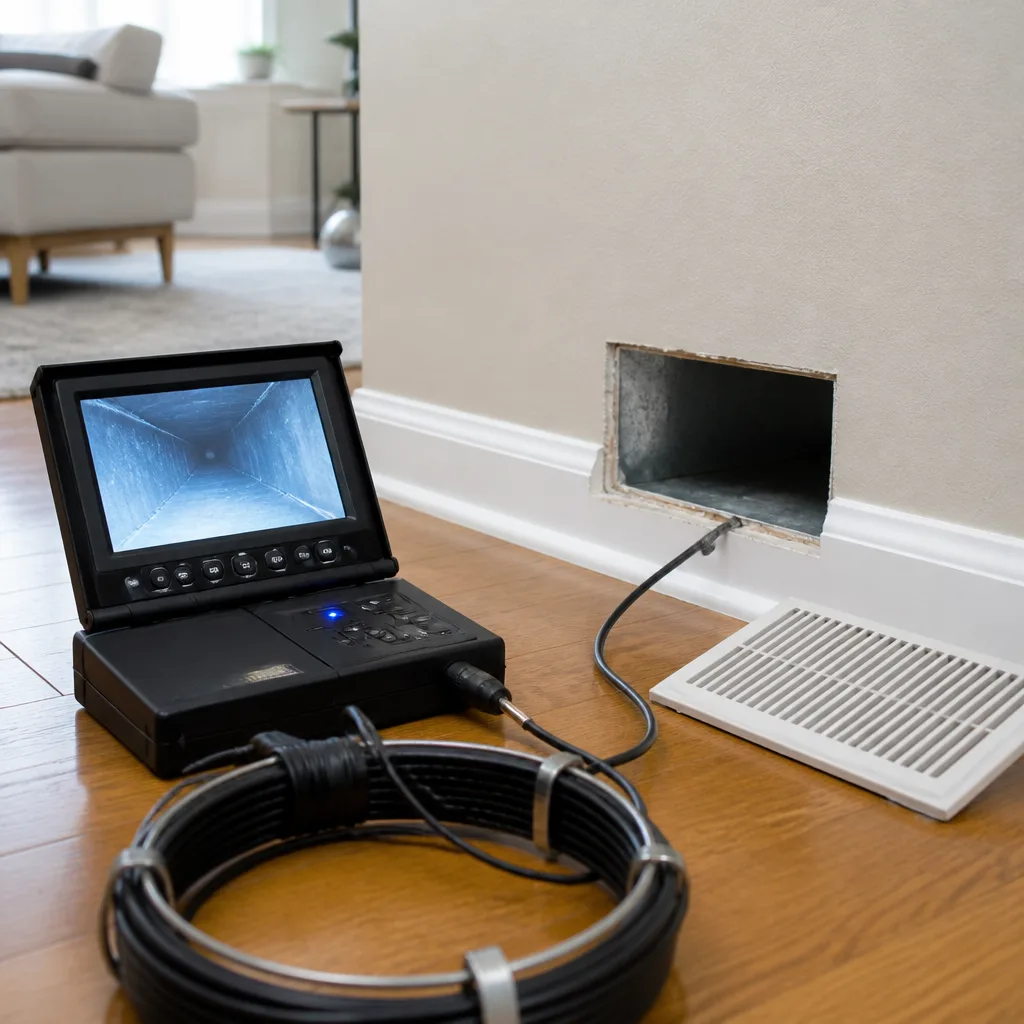 Camera inspection
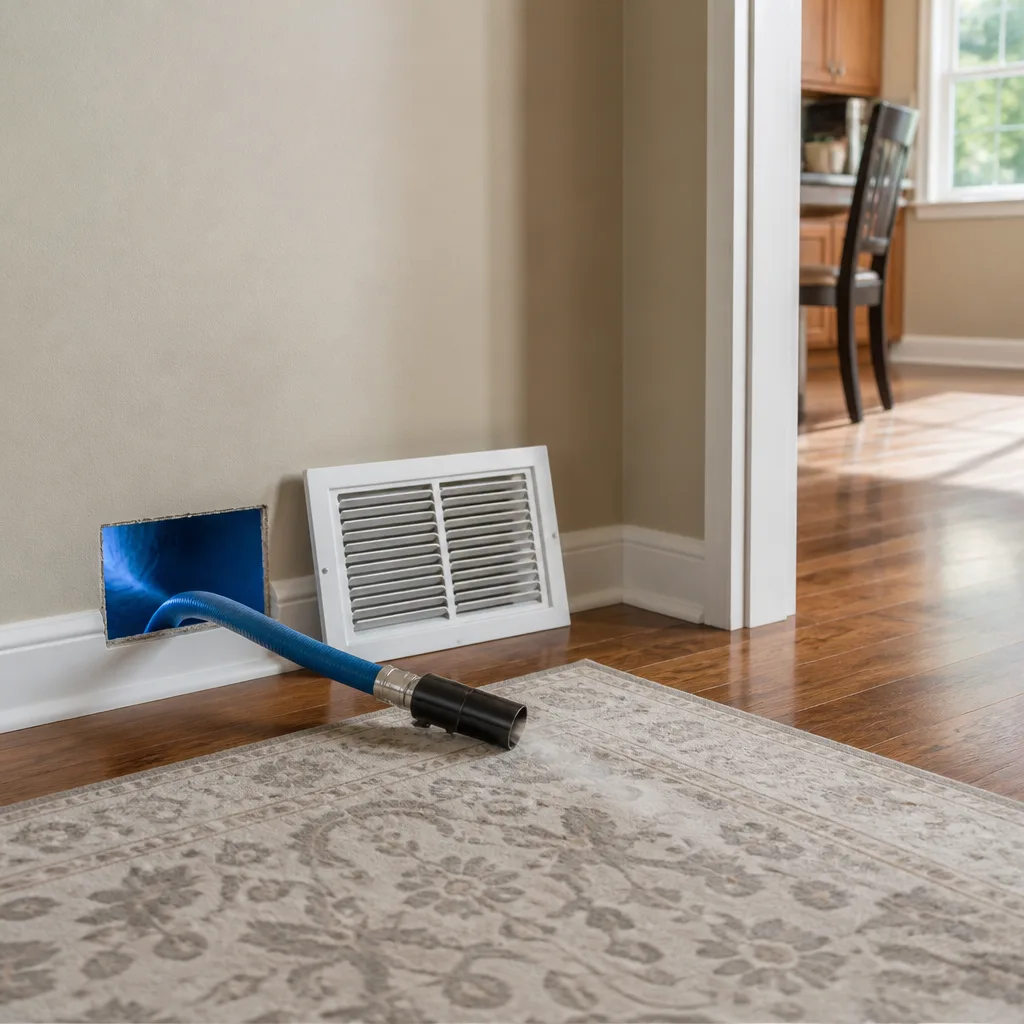 Sanitizing & deodorizing
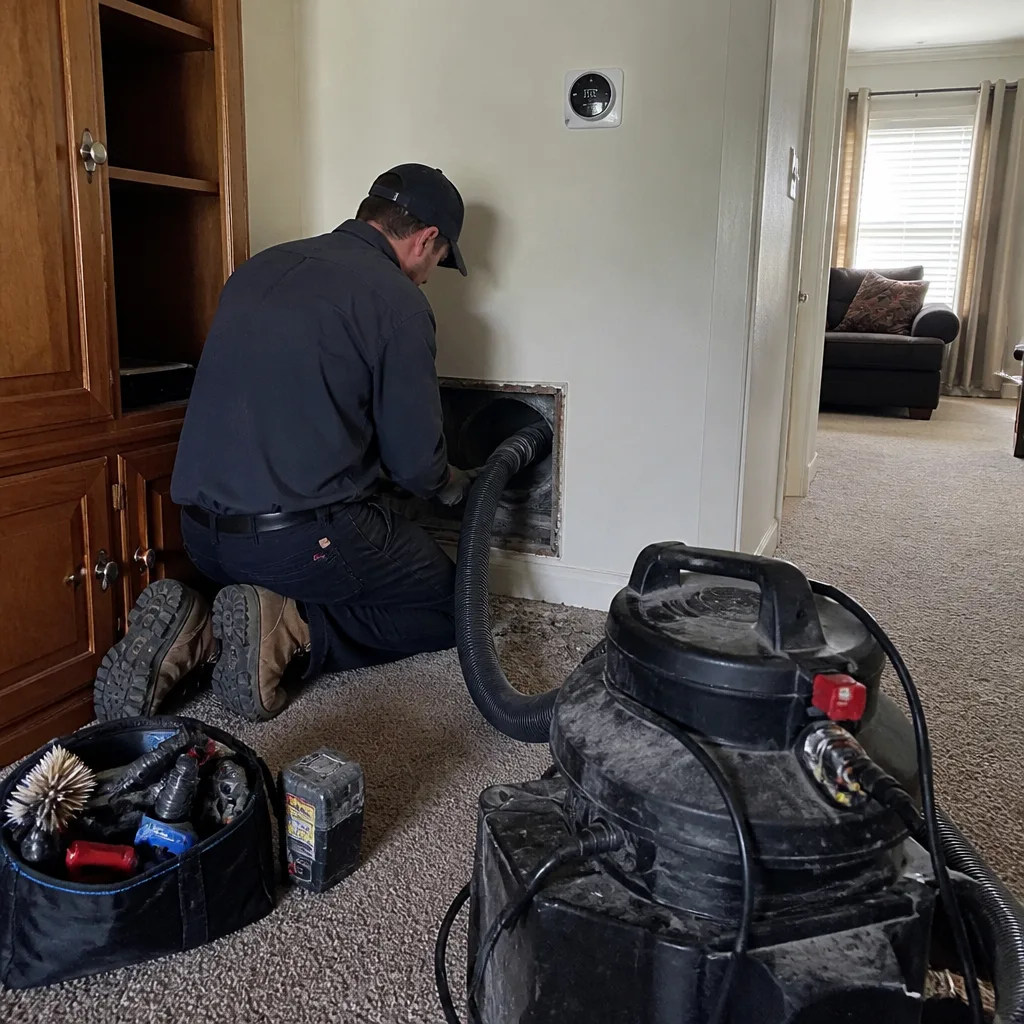
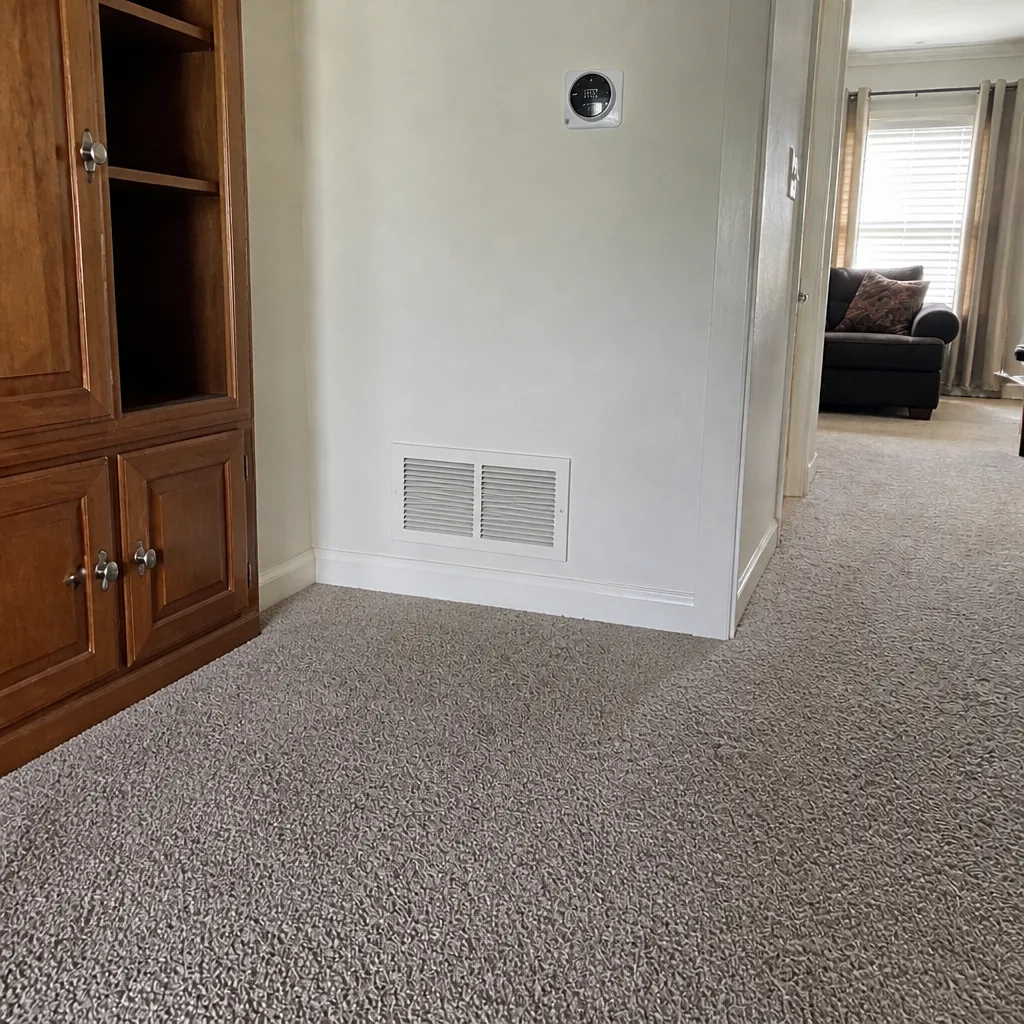
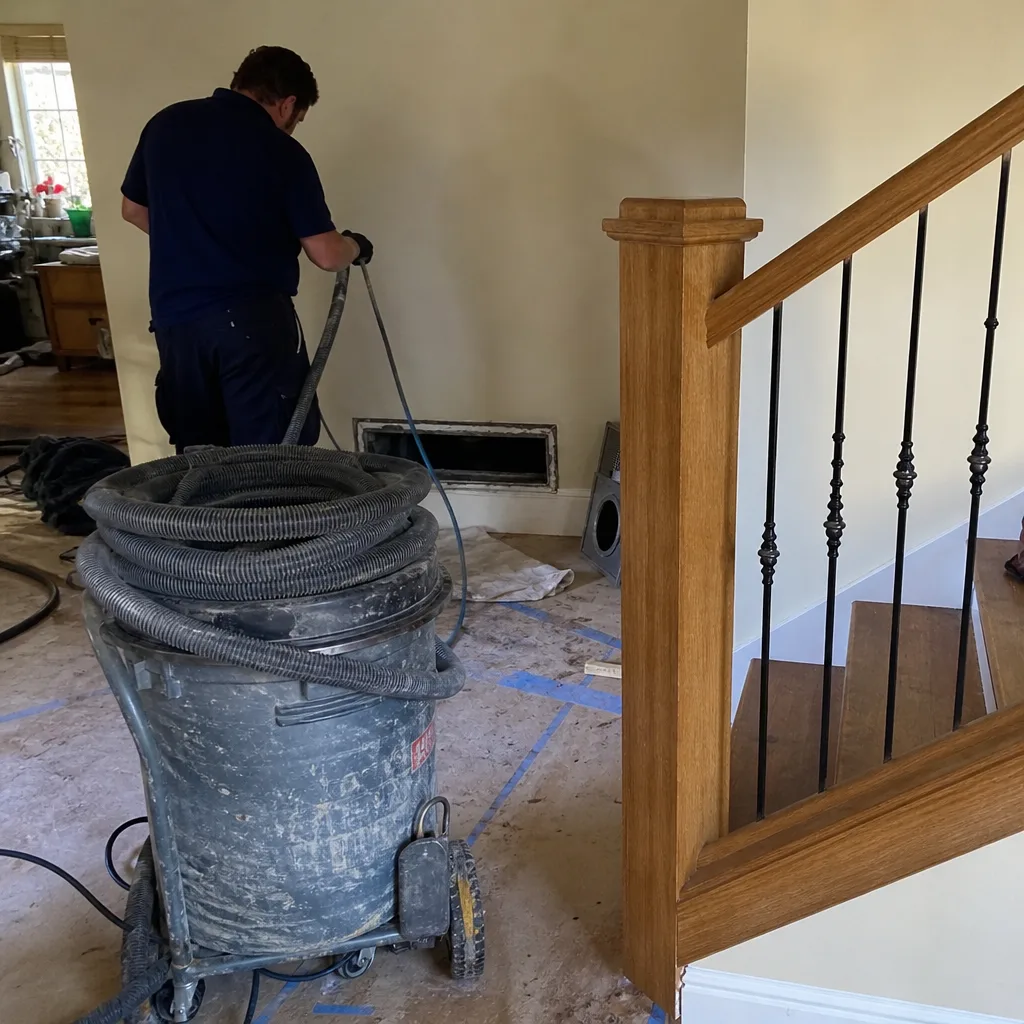
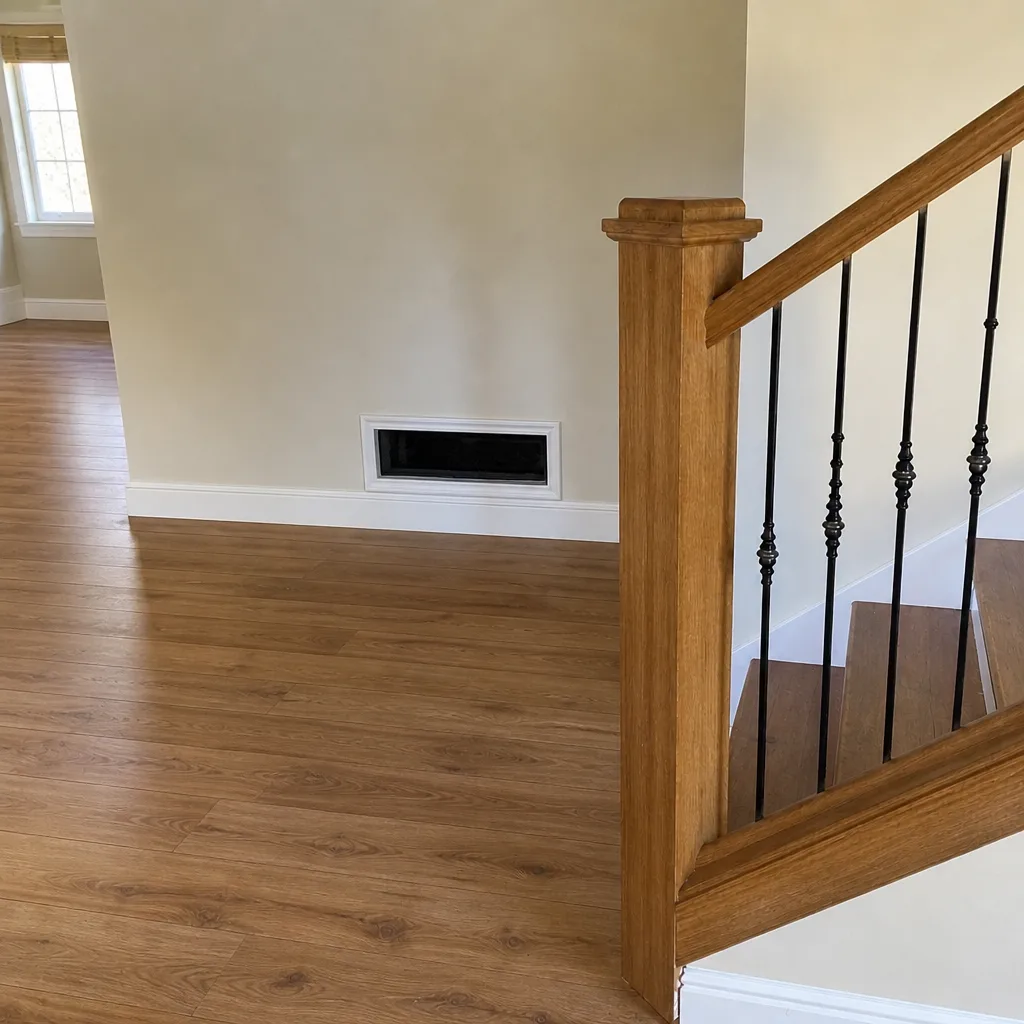
Whole-system duct and dryer vent check with before-and-after photos - you see exactly what came out of your vents
That "$99 whole-house special" is a bait ad - the real number appears once they are in your hallway, or the "clean" is a shop-vac at the register. We photograph the inside of your ducts before and after instead.
The Complete Guide to Air Duct Cleaning in Portland
Most homeowners assume their duct system is a sealed loop, quietly moving conditioned air around the house with nothing getting in. That’s the misconception worth correcting first. Your ducts are in constant, one-way conversation with the outside air, and in Portland that conversation is unusually loud. Between wet winters that keep structural wood and crawlspace moisture high, wildfire smoke that settles over the Willamette Valley, and a large share of homes built before 1980 with original galvanized ductwork, Portland homes collect a specific mix of contamination that a national cleaning checklist completely misses. This guide treats duct cleaning as a local problem worth solving properly: what builds up here, why, and how to verify the work was actually done. You’ll learn what to ask, what to expect from professional equipment, and how Portland’s climate changes the answer.
Styles & brands we work with
- Whole-home duct cleaning
- Dryer vent cleaning
- Camera inspection
- Sanitizing & deodorizing
Quick Answer
Air duct cleaning in Portland means removing accumulated dust, pollen, smoke residue, and biological growth from the full duct system using professional source-removal equipment, not just vacuuming the registers you can see. Homes here need it more often than the national average because of wet-season humidity, wildfire smoke seasons, and older ductwork that leaks. A properly done job includes negative-pressure containment, brushing and agitation through the entire system, filtration of dislodged debris during the clean, and a post-cleaning inspection you can see and verify.
Table of Contents
- Why Portland Ducts Get Dirty Differently
- How Wet Winters Affect Flex Duct vs. Rigid Metal
- Older Portland Homes and Negative-Pressure Containment
- Source-Removal Cleaning vs. Contact-Vacuum Cleaning
- Wildfire Smoke vs. Construction Dust: Two Different Protocols
- What a Completed Job Should Look Like
- What Homeowners Can Reasonably Do Themselves
- What Air Duct Cleaning Costs in Portland
- Common Mistakes to Avoid
- When to Call a Professional
- Frequently Asked Questions
- The Bottom Line
Why Portland Ducts Get Dirty Differently
Portland logged 19 days of unhealthy air quality in 2023, and each of those days pushed fine particulate matter directly into duct systems that most homeowners believe are sealed from outdoor air. That’s the visible problem. The invisible one runs from October through April, when the region’s wet season keeps relative humidity high enough that condensation forms inside cold metal ducts and on the fiberglass lining of flex duct. Dust that would stay dry and inert in Phoenix becomes a damp film here, and damp film is exactly what biological growth needs to establish itself. When that film dries in the first warm week of the year, the system circulates it back into every room.
Three local factors combine to make Portland a different engineering problem:
- Long wet seasons. Months of high humidity mean duct interiors stay damp far longer than they do in dry climates, giving settled dust time to bind to surfaces instead of being carried away by airflow.
- Wildfire smoke. When smoke settles over the valley, fine particulates ride in through return intakes and settle on duct walls. Ordinary vacuuming doesn’t remove it from the interior surfaces.
- Older housing stock. A large share of Portland homes predate the 1980s, which means original galvanized duct runs, loose seams, and in some cases ductwork that was never designed to the tightness standards of newer construction.
None of that means every Portland home is in bad shape. It means the general “clean every three to five years” advice you’ll read online doesn’t account for what’s actually happening in your system. A duct assessment done in Portland should ask about wet-season condensation, smoke exposure, and the age and construction of your ductwork before it recommends anything.
How Wet Winters Affect Flex Duct vs. Rigid Metal
Portland’s wet winters don’t affect all ductwork the same way, and knowing which system you have tells you a lot about what to expect. Flex duct is a corrugated plastic sleeve with a soft inner liner, typically installed in attics and crawlspaces when a system was retrofitted or extended. Its ribbed interior traps dust and moisture film more readily than smooth metal. Rigid metal duct, especially older galvanized runs, has a smooth surface that sheds dry debris but condenses water when cold outside air meets warm interior air, particularly on runs that cross unconditioned attic or crawlspace space.
The practical difference during a Portland wet season is this:
- Flex duct collects a damp film along the ribs and the liner. That film is the ideal starting point for mildew and biological growth, and it’s difficult to clean without professional agitation equipment, because brushing a soft liner aggressively can damage it.
- Rigid metal duct collects drier debris but can carry condensation around seams and joints. Surface condensation alone doesn’t cause mold, but dust plus condensation does. The combination is more common in homes where the ductwork crosses a cold attic.
Because Portland air is naturally humid during the wet months, the answer to a mold question is not always “clean it.” Sometimes the answer is to fix a leak or insulation gap that is letting moisture into the run in the first place. That’s why duct repair is part of a real duct assessment here, not a separate add-on some other time. If a technician walks in and quotes a cleaning without looking at the duct material, moisture, and insulation, they aren’t assessing the problem in front of them.
Older Portland Homes and Negative-Pressure Containment
Homes in Portland built before the 1980s often still run their original galvanized ductwork, and that changes how a cleaning has to start. Older duct systems have more seams, more joints, and a higher likelihood of small leaks. When you begin agitating dust inside a leaky system before the system is under containment, you push that dust out through seams into the living space. It looks dramatic in a sales video and it’s exactly what you don’t want.
That’s why a professional job begins with negative-pressure containment: creating a controlled vacuum state within the duct system before any brushing or agitation happens. Under negative pressure, the air inside the duct is being pulled toward the collection point, so when the dust is loosened, it moves toward the filtration unit rather than out into the room. It sounds technical, and it is. Here’s the sequence in order:
- Inspect before touching anything. Locate every register, map the duct layout, and check for leaks, disconnects, and damaged sections that will need sealing first.
- Set up the collection unit and establish negative pressure. The HEPA-filtration collection equipment draws the system into negative pressure before any agitation.
- Agitate the entire system. Rotary brushing and air whips reach the duct walls from the trunk line to the last register.
- Contain the disturbance. During the clean, air filtration captures dislodged particles at the collection point rather than recirculating them into the home.
- Seal and repair as needed. Leaks found during inspection get sealed so the cleaning result stays intact.
- Inspect and photograph before and after. The technician shows you the interior condition on both sides of the job.
For a pre-1980s home in neighborhoods like Sellwood, Irvington, or Laurelhurst, asking whether negative-pressure containment is part of the job is the single most useful question you can ask before you hire anyone. A system with original seams and decades of settled dust is the one where the containment step matters most.
Source-Removal Cleaning vs. Contact-Vacuum Cleaning
Two very different approaches call themselves duct cleaning, and they produce very different results. Contact-vacuum cleaning means vacuuming the accessible registers, grilles, and maybe the end of the trunk line. It removes what a shop vacuum can reach and leaves the rest. Source-removal cleaning means dislodging the contamination from every surface of the duct system and collecting it in filtered equipment as it comes loose. It’s the difference between skimming the top layer and actually removing what’s accumulated.
Source-removal work requires professional-grade equipment, not a consumer vacuum. Rotobrush systems are built for in-duct rotary agitation and simultaneous extraction, and Nikro equipment covers the HEPA vacuum and high-volume collection side. Both are used in commercial contract work for a reason: they generate the air volume and agitation needed to move the dust off the duct walls. A consumer shop vacuum can’t create the airflow or negative pressure needed for the job, and its filter isn’t rated to capture fine particulate without releasing some of it back into the room.
The reason the distinction matters comes down to verification. Here’s how to tell which method you were actually given:
- Contact-vacuum results: Visible registers look cleaner, but a camera inspection of the trunk line shows material still on the walls.
- Source-removal results: A post-cleaning camera view of the trunk and a branch line shows material removed, not just disturbed.
- Equipment on site: Source removal requires a collection unit with HEPA filtration and an agitation tool, both of which take up real floor space and real setup time.
If a crew arrives with a shop vacuum and finishes in an hour, they gave you contact vacuuming. That’s the honest answer, and it’s why an estimate that seems too low usually is.
Wildfire Smoke vs. Construction Dust: Two Different Protocols
Wildfire smoke and construction dust both contaminate ducts, but they behave differently and a competent cleaning treats them differently. When Portland’s air quality drops during smoke season, fine particulate matter enters through return air intakes and settles on duct surfaces. The particles are small enough to stay suspended and to collect in the same ribbed interiors that trap moisture. Smoke residue can also leave an odor that persists until the surfaces themselves are cleaned, not just the air.
Construction dust from a remodel, a drywall patch, or a recent build is heavier and travels differently. It settles in the nearest registers and the trunk line near the work area, and because it’s denser it can be loosened more aggressively. A smoke contamination job, by contrast, requires low-agitation handling at first and finer filtration, because the goal is capture, not dispersal. If you disturb fine smoke particles without the collection system already running, they go straight into the air you’re breathing.
That’s why the smoke protocol starts with containment before agitation. The steps look like this:
- Assess the contamination type. Was the source wildfire smoke, dust from a remodel, or both, and when?
- Set up filtration first. The Abatement Technologies air filtration unit goes in place and is running before any duct interior is touched.
- Establish negative pressure. The system is drawn into negative pressure so loosened particles move toward the collection point.
- Clean with the right level of aggression. Smoke residue needs gentler handling than heavy construction debris.
- Verify with inspection. The before-and-after view confirms that the fine particulate is gone, not just reduced.
After a heavy smoke season, cleaning is only half the answer. The other half is checking whether return intakes and filter housings are allowing outdoor air into the living space, which brings us back to the value of a duct inspection by someone who works on the whole system.
What a Completed Job Should Look Like
Here’s the benchmark most homeowners never ask about: what should actually be finished when the technician says the job is done? A completed cleaning in Portland has visible, checkable results. The best technicians invite inspection, and you should accept the invitation every time.
Here are the post-cleaning benchmarks that confirm the work was actually done:
- Camera inspection of the trunk and at least one branch. The technician shows interior condition before and after. If they can’t show you, the work wasn’t verified.
- Before-and-after photos of your own ducts. Every job should end with photographs the technician can walk you through, not generic stock images.
- Registers and grilles reinstalled and sealed. No gaps, no loose covers, no damaged seals left behind.
- Filter housings checked, not skipped. If your system uses a Honeywell or Aprilaire filter, it should be inspected and the housing should be clean before the new filter goes in.
- A leak check. The technician confirms that the ductwork is functionally tight and that any small leaks found during the clean were either sealed or flagged with a clear reason for the repair.
- A written summary of what was found and cleaned. Not a verbal handshake, an actual record for your home’s maintenance history.
If a company finishes with a shrug and an invoice, you have no verification. The value of the job is in what you can see and check afterward. That’s what makes a completed cleaning worth the estimate you agreed to.
What Homeowners Can Reasonably Do Themselves
There’s a useful middle ground between waiting for full-system cleaning and buying a shop vacuum. Some maintenance is genuinely safe and effective for a homeowner to do. Other parts of this job are best left to trained technicians with professional equipment, and knowing where that line is saves you money and protects your system.
Reasonable homeowner maintenance:
- Change your air filter on schedule. During heavy smoke seasons, that interval may be shorter than the filter’s rated life. This alone reduces how much contamination settles in the ducts.
- Vacuum the visible registers and grilles. Surface dust on the grille is easy to remove and worth removing. It’s what’s behind it that needs the professionals.
- Keep the return intakes clear. Furniture blocking a return puts more strain on the system and concentrates dust in the intake path.
- Check for obvious leaks or disconnected joints at accessible registers. If you can see that a boot has come loose from the register, note it for the technician.
- Track when the system was last cleaned and keep the report. A proper maintenance record helps you and any future technician.
What’s better left alone: brushing or vacuuming inside the duct system itself. A consumer vacuum can’t capture fine particulate and its filter can recirculate what it picks up. Agitating duct walls without containment pushes dust into the living space. If a duct is damp, the wrong cleaning can spread the problem instead of solving it. And if the system is in poor shape with loose insulation or old seams, professional handling isn’t optional; it’s the only way to avoid making things worse. A trained technician with Rotobrush and Abatement Technologies equipment does in a few hours what a weekend of homeowner effort can’t do at all.
What Air Duct Cleaning Costs in Portland
Air duct cleaning in Portland is priced per system, by estimate, not by vent. That’s an important distinction because per-vent pricing is the most common bait-and-switch in the industry: a low teaser figure that becomes a large invoice once the technician is on site and the count of vents is determined by the technician, not the customer. A whole-system price, set in writing before work begins, is the honest structure. It’s also the one we work to.
What drives the estimate in Portland:
- The size and layout of the system. A single-level home with two trunks costs less to clean than a multi-level home with long runs and difficult access.
- Duct material and condition. Flex, rigid metal, and older galvanized systems all require different handling, and compromised ductwork needs repair first.
- Contamination type. A smoke-season cleaning with fine particulate requires more careful filtration than routine dust and the protocol is different.
- Filter housing and air quality equipment. Homes with a Honeywell or Aprilaire system need those housings inspected and cleaned, which adds time.
- Dryer vent cleaning if bundled. A separate service with its own fire-safety inspection step, not an afterthought.
The most useful way to compare estimates is not by dollar amount. Compare the scope of work: is the whole system included, is negative-pressure containment part of the job, is filtration running during the clean, and what inspection will be provided at the end. Then call for a free estimate that reflects what your home actually needs. Our technicians have up to 8 years of experience, and every estimate we give is written and itemized so you know exactly what’s included before a single register comes off.
Common Mistakes to Avoid
- Hiring on price alone. A quote that’s far below the others usually means contact vacuuming, not source-removal cleaning. Ask what equipment they use before you compare numbers.
- Assuming all duct cleaners handle older Portland ductwork the same way. A pre-1980s home with original galvanized runs needs containment before agitation. If the answer is “we always just vacuum from the registers,” that’s a sign to keep calling.
- Skipping the post-cleaning inspection. If you don’t see before-and-after photos of your own ducts, you have no way to verify the work was done. Insist on it before you pay.
- Treating a smoke season the same as construction dust. After a heavy wildfire smoke event, low-agitation cleaning with air filtration running is the correct protocol. Aggressive brushing without filtration pushes fine particulate into the room.
- Ignoring wet-season moisture. Portland’s wet months matter. If a technician doesn’t mention checking for moisture or condensation in the system, they haven’t looked at the biggest local factor.
- Forgetting the dryer vent. NFPA cites lint buildup in dryer vents as a leading cause of residential fires. Dryer vent cleaning addresses a real hazard most duct cleaners skip or treat as a quick add-on.
- Skipping the estimate and guessing at cost. Get a written, per-system estimate before work begins, and confirm what a completed job includes. The quote you sign should be the price you pay.
When to Call a Professional
There’s a point where maintenance becomes repair, and that point looks different in every home. Call for a professional assessment when any of these apply: visible dust blows out of a register when the system starts, a room consistently smells stale or musty after the HVAC runs, someone in the home has consistent allergy symptoms that improve when they’re away, or the home has been through a heavy smoke season and the filter changes aren’t helping. Also call if you can see a loose joint at an accessible register, or if you’ve recently finished a remodel and the HVAC ran during drywall or flooring work.
For the duct repair side, call sooner if a register is visibly disconnected or if a run has collapsed or been crushed. We offer air duct cleaning, dryer vent cleaning, and air duct repair as focused services, which means the assessment covers what’s actually wrong with the system, not just whether it needs a cleaner.
Steadfast Air Duct Cleaning offers free estimates in Portland. Call (877) 957-0767. We answer 24/7. Fast dispatch from 7am to 7pm, Sunday through Friday. Estimates are written, per-system, and agreed before work starts.
Frequently Asked Questions
Portland duct cleaning is priced per system, and the estimate should be written before work begins. The honest comparison isn’t the number in the headline but what’s included: negative-pressure containment, filtration, full-system agitation, and post-cleaning inspection. Because per-vent pricing invites bait-and-switch, we only quote a whole-system price. Call (877) 957-0767 for an exact quote. Estimates are free.
For most Portland homes, a cleaning every few years is reasonable, but the honest answer depends on your system. Homes near heavy wildfire smoke exposure, homes with pets, and older homes with leaky original ductwork often need it more often, while a newer airtight home with routine filter changes may need it less. The right question is whether the system has visible contamination and moisture, not how many months have passed. Call for a free assessment if you’re unsure.
Because the work is different. A low quote usually means contact vacuuming of accessible registers with a shop vacuum, with no containment, no filtration during the clean, and no post-cleaning inspection. A full source-removal job with professional equipment, negative-pressure containment, and verified results costs more to perform, and the price reflects that. Ask what equipment and what inspection each company provides before you decide. Call (877) 957-0767 to compare a whole-system estimate.
Post-cleaning inspection, with photos of your own ducts, is how you verify. A completed job ends with before-and-after views of the interior, a confirmed leak check, tight-fitting registers, and a written summary of what was found and cleaned. If a company can’t produce photos and a camera check, the work is unverified. Call us for an estimate that includes the inspection step.
Yes. Older Portland homes often have original galvanized ductwork with looser seams and more joints, which is exactly the system that needs negative-pressure containment before agitation begins. Without containment, dust loosened during cleaning pushes out through the leaks into the living space. A technician assessing an older home should mention containment and leak inspection specifically. Call to schedule a free estimate and ask the question directly.
Yes. Wildfire smoke leaves fine particulate on duct surfaces that behaves differently from heavier construction dust, so the correct protocol is low-agitation cleaning with air filtration already running, not aggressive brushing followed by a vacuum. Capturing the fine particles matters more than moving them. If your home has been through a heavy smoke season and filter changes aren’t clearing the smell, it’s worth a professional assessment. Call (877) 957-0767 for a free estimate.
The Bottom Line
Portland duct cleaning is a local problem, and treating it as one is the difference between a verified result and a brightened register cover. Wet winters give dust time to bind, wildfire smoke delivers fine particulate that stays in the system, and older housing stock with original galvanized ductwork needs containment before anyone touches it. Choose a company that runs professional equipment (Rotobrush, Nikro, Abatement Technologies), prices per system instead of per vent, and ends every job with before-and-after inspection. Dryer vent cleaning and duct repair belong in the same conversation. Call (877) 957-0767 for a free estimate. We answer 24/7. Fast dispatch from 7am to 7pm, Sunday through Friday.
Written by the team at Steadfast Air Duct Cleaning.
See the difference
 Before
 After
 Before
 After
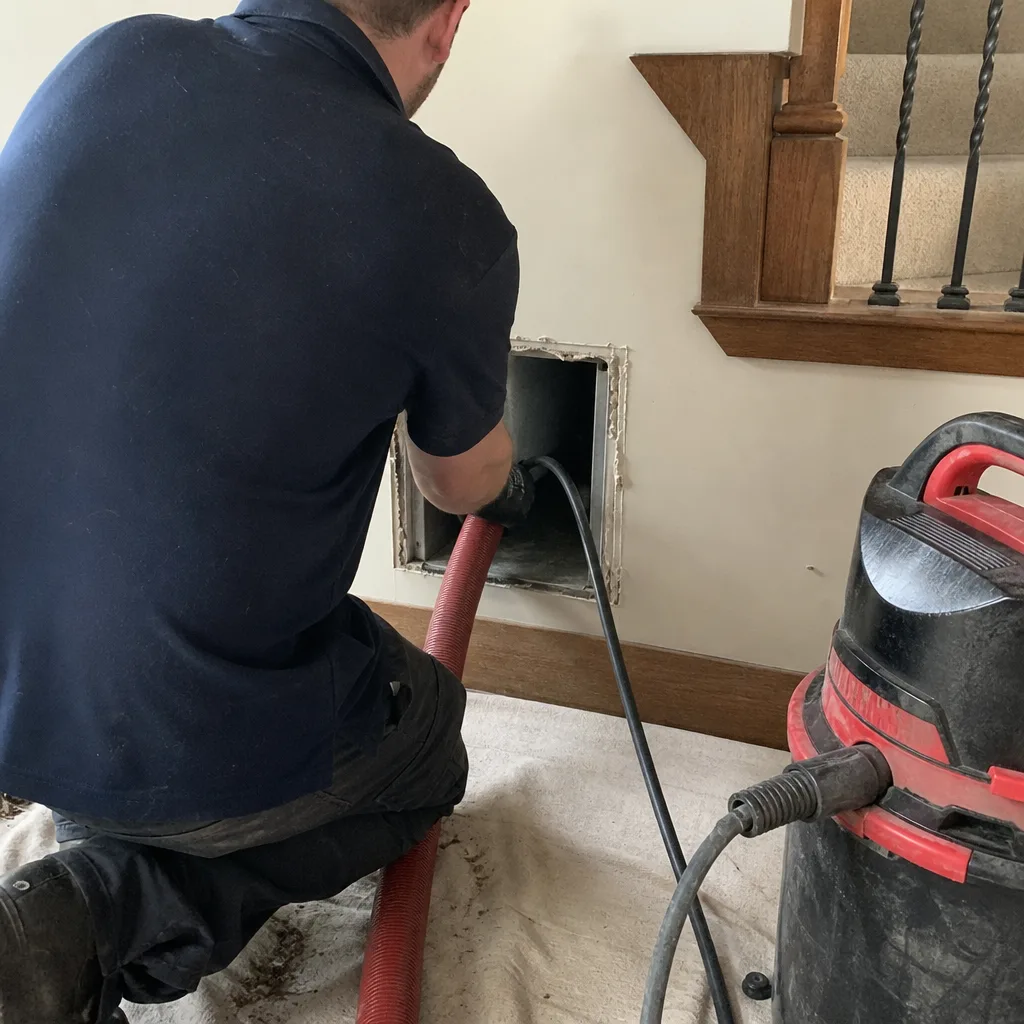 Before
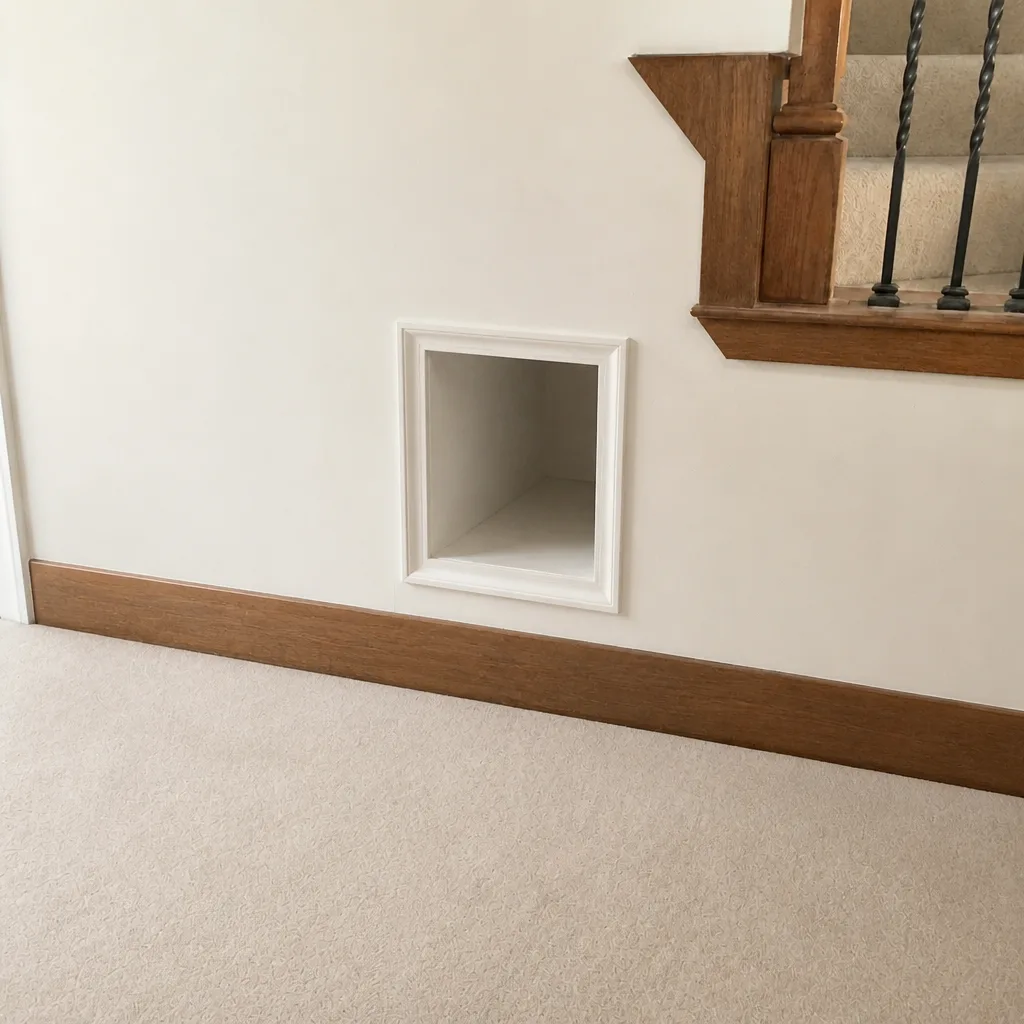 After