
Last updated November 15, 2026
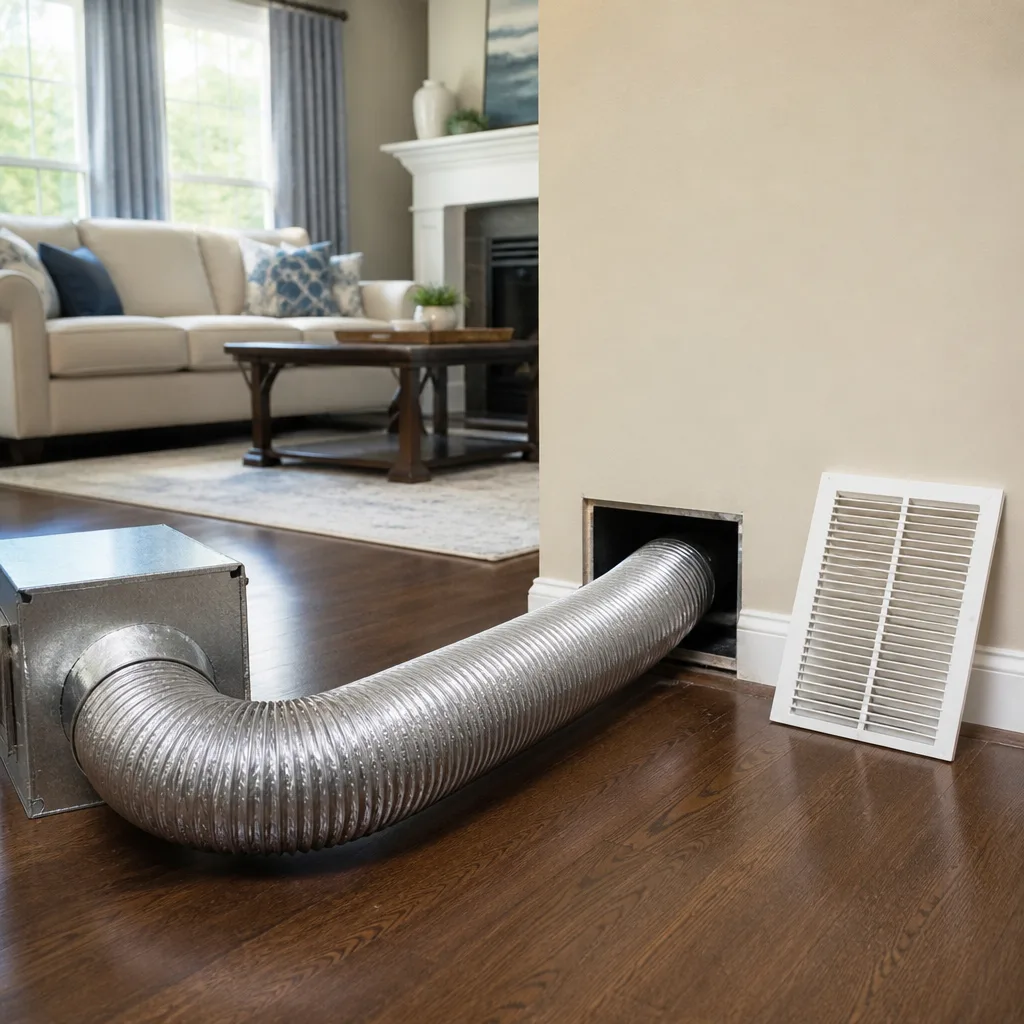 Whole-home duct cleaning
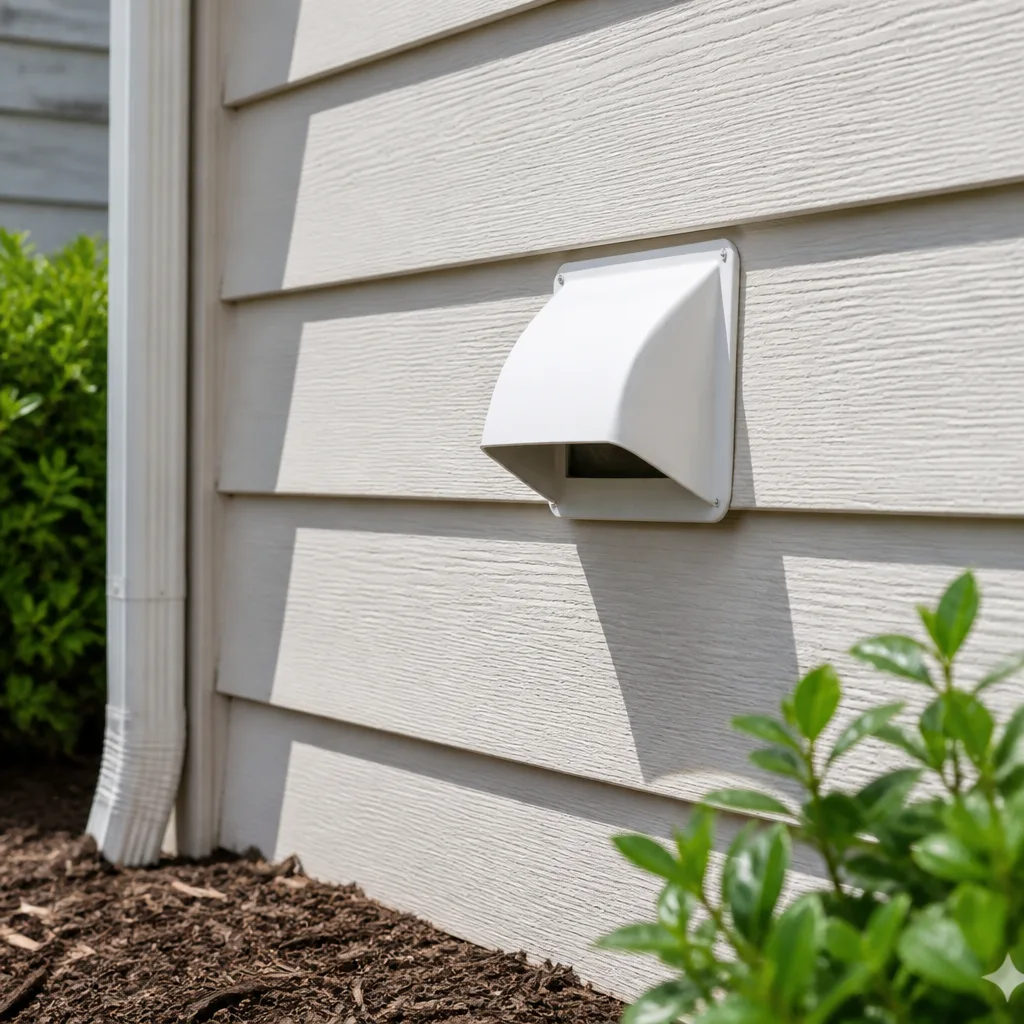 Dryer vent cleaning
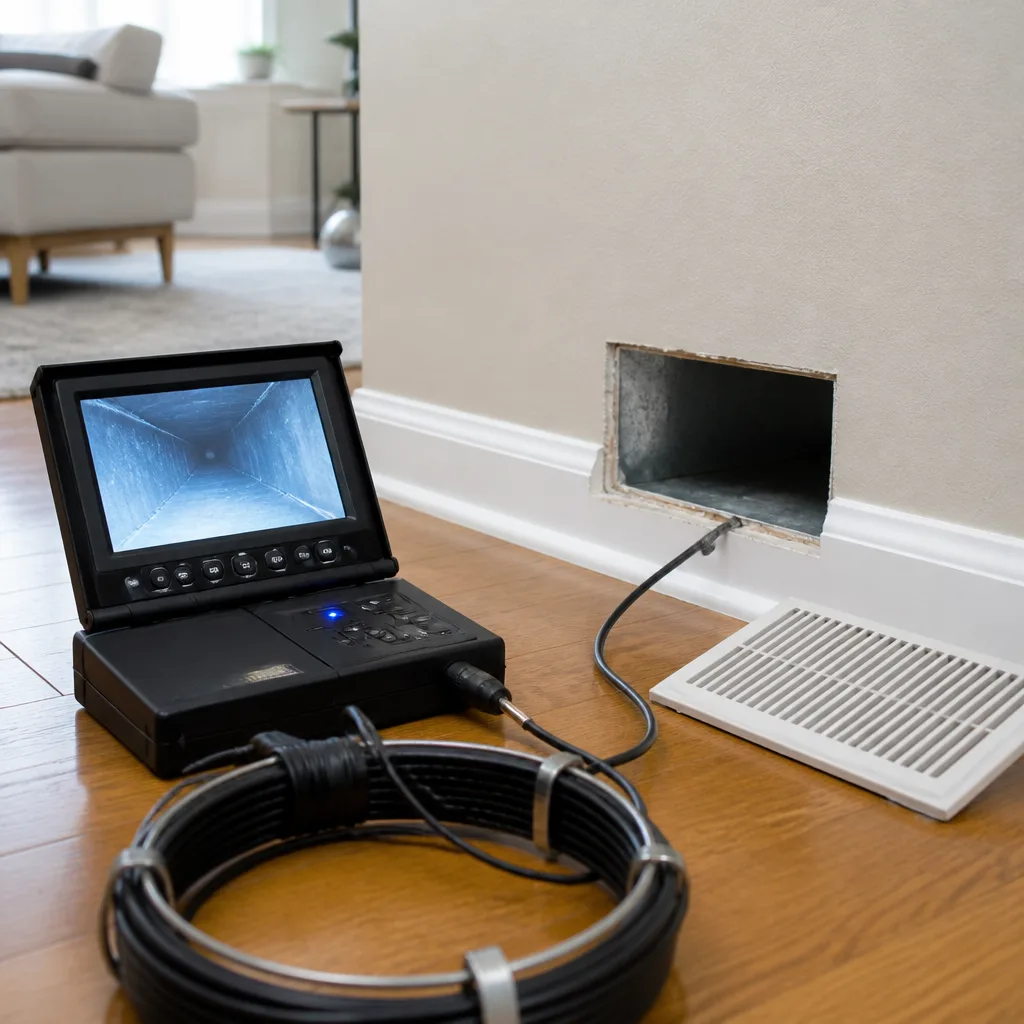 Camera inspection
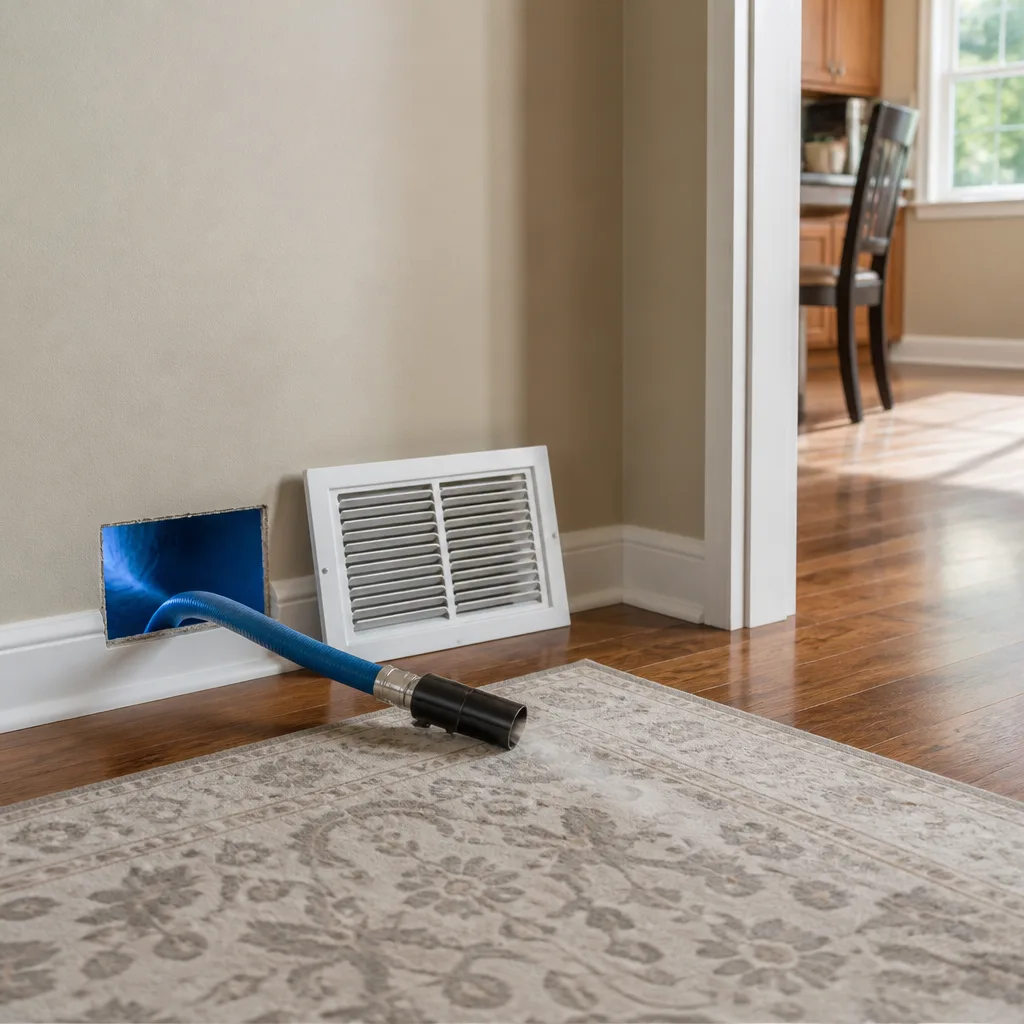 Sanitizing & deodorizing
Whole-system duct and dryer vent check with before-and-after photos - you see exactly what came out of your vents
That "$99 whole-house special" is a bait ad - the real number appears once they are in your hallway, or the "clean" is a shop-vac at the register. We photograph the inside of your ducts before and after instead.
How to Hire an Air Duct Cleaning Contractor in Portland: A Step-by-Step Guide
If a contractor quotes your entire home’s duct cleaning over the phone without asking how many vents you have or what type of duct system you’re running, that’s not an estimate – it’s a foot in the door. Portland’s duct cleaning market has plenty of operators whose business model depends on a low advertised figure turning into a much larger invoice once the equipment is inside your hallway. The homeowners who avoid that outcome aren’t skeptics by nature; they simply ask better questions before they book. This guide gives you those questions, the equipment vocabulary to understand the answers, and a clear framework for reading a quote. You’ll finish knowing exactly how to vet a contractor in Portland and what a fair, complete job actually looks like.
Quick Answer
To hire an air duct cleaning contractor in Portland, ask about the vacuum system, CFM rating, agitation method, how negative pressure is maintained, and the post-cleaning verification step before you book. Get a whole-system price in writing rather than a per-vent figure, confirm the contractor handles repair as well as cleaning, and check that they can explain what they found in your system, not just what they removed. A specialist who does only duct work, with professional-grade equipment and a verification step, is a safer hire than a generalist adding duct cleaning as a side line.
Styles & brands we work with
- Whole-home duct cleaning
- Dryer vent cleaning
- Camera inspection
- Sanitizing & deodorizing
Table of Contents
- Why the Portland Market Rewards a Careful Hire
- The Five Equipment Questions to Ask Before Booking
- Why NADCA Membership Is a Credentialing Floor, Not a Guarantee
- How to Read a Duct Cleaning Quote
- Specialist Versus Generalist: Why It Matters
- The Repair Capability Question Most Homeowners Skip
- Reference Check Questions That Actually Reveal Something
- Portland Climate, Housing, and What It Means for Your Ducts
Why the Portland Market Rewards a Careful Hire
Portland homeowners tend to research before they spend, which is a good instinct in a category where the quality gap between operators is wide. The metro area has a deep stock of older homes – bungalows, four-squares, and mid-century ranches across neighborhoods like Sellwood, Laurelhurst, Irvington, and Alameda – and many of those systems have been added to, patched, or rerouted over the decades. A duct system in a 1920s Portland home is rarely a clean, uniform run of sealed metal. It’s often a mix of original sheet metal, flex duct spliced in during a later remodel, and joints that have been taped more than once.
That matters because the job changes with the system. A cleaning crew working on a straightforward modern install can move quickly. A crew working in an older Portland house needs to be able to spot compromised ductwork, seal a joint, and tell you what they found – which is why the repair capability question comes up so often in older neighborhoods. A contractor who can only vacuum and leave is a limited hire in this housing stock.
Add the climate. Portland’s wet winters and shoulder seasons mean HVAC systems run in cycles rather than flat-out, and homes stay closed up for long stretches. Dust, pollen, and whatever the system has collected over years cycle through the house whenever the air handler runs. That’s the case for cleaning; it isn’t a reason to accept a rushed, low-price job that moves the debris around instead of capturing it.
The Five Equipment Questions to Ask Before Booking
These five questions separate a professional contractor from a person with a shop vac and a ladder. Ask them before you book, and listen for whether the answer is specific. A contractor who can’t name their equipment or explain how negative pressure is held through the job is telling you something. We use Rotobrush and Nikro systems, and we run Abatement Technologies air filtration on every job; that equipment is the reason a clean can be done without recirculating what gets dislodged.
- What vacuum system do you use, and is it truck-mounted or portable professional-grade? Consumer vacuums and shop vacs don’t move enough air and don’t capture fine particulate. Professional systems like Rotobrush or Nikro are built for this work. Ask for the brand name and don’t accept “heavy-duty” as an answer.
- What is the CFM rating of the unit? CFM is cubic feet per minute – the measure of how much air the vacuum moves. A contractor who knows their equipment knows this number. A vague answer here is a red flag.
- What agitation method do you use? A vacuum alone won’t lift debris bonded to duct walls. Agitation – brushes, air whips, or rotary tools – is what breaks it loose so the vacuum can capture it. Ask which method they use and why.
- How do you maintain negative pressure throughout the job? Negative pressure means the system stays under vacuum so loosened debris travels toward the collection point, not into your living room. If the seal at the access points isn’t maintained, the clean is compromised.
- What is your post-cleaning verification step? Ask how they confirm the work was done. A credible answer involves a visual inspection with photos, not a verbal assurance. Before-and-after photos of your own ducts should be standard.
If you’re comparing answers and want a baseline for what the service involves, our air duct cleaning page walks through the process end to end. Notice that every one of these questions is about method, not price. Price comes later, once you know what the job actually is.
Why NADCA Membership Is a Credentialing Floor, Not a Guarantee
NADCA – the National Air Duct Cleaners Association – sets standards for the industry, and its membership is a reasonable starting filter. It signals that a contractor has at least engaged with a professional body and its assessment, cleaning, and restoration standards. But membership is a floor, not a ceiling. Plenty of operators hold the logo while running a volume operation that doesn’t match the intent of the standard. Plenty of good contractors operate in the space without it being the whole story. What matters is whether the contractor behaves like a professional on the day.
Here’s what to look for beyond the logo:
- Can they explain their process in plain language? A contractor who can walk you through access points, agitation, negative pressure, and verification without jargon is a contractor who understands the work.
- Do they scope the job before quoting? A professional needs to know your vent count and duct type before giving you a number. A phone quote without those questions is not an estimate.
- Do they put the price in writing? One flat price per system, agreed before work starts, with the scope defined. That’s the standard.
- Do they handle repair? A contractor who can seal, patch, and restore compromised ductwork is operating at a different level than one who can only clean.
- Do they show you the result? Before-and-after photos of your own system, not a generic stock image.
Use NADCA membership as one check among several. Combine it with the equipment questions above and a clear, written scope, and you’ve done most of the vetting that protects you from a bait-and-switch.
How to Read a Duct Cleaning Quote
A duct cleaning quote should be scoped to your system, priced as a whole, and clearly itemized. The line items that should be in a legitimate quote: a defined scope covering your supply and return runs plus the air handler as agreed, the equipment and method being used, a stated post-cleaning verification step, and a single flat price agreed before work starts. Add-ons that suggest an upsell culture include per-vent pricing that escalates with vent count, “sanitizing” treatments bundled without discussion, and a low teaser figure that only applies to a limited scope defined on the day.
Watch for these patterns when you read a quote:
- Per-vent pricing. Legitimate duct cleaning is priced per system, not per vent. A per-vent quote is a mechanism for scaling the invoice once the technician is in the house.
- A teaser figure with no scope. If a quote is a small number with no mention of how many runs, which system, or what equipment, it isn’t a quote for your home.
- Add-ons presented as required. A credible contractor discusses options; a bait-and-switch operation introduces them on-site, after the price has been set.
- No mention of verification. A quote without a stated verification step says nothing about how the result will be demonstrated to you.
The right quote is boring and clear. One flat price per system, a defined scope, a stated equipment set, a verification step. If you want a sense of what the work involves on the equipment side, our Steadfast Air Duct Cleaning page lists the systems we run on every job.
Specialist Versus Generalist: Why It Matters
A generalist HVAC company treats duct cleaning as a revenue line; a specialist treats it as the core work. That distinction shows up in equipment, training, and what the technician knows how to diagnose. A generalist’s crew might arrive with a consumer-grade vacuum and a brush, because duct cleaning is ancillary to their install and repair work. A specialist invests in the systems – Rotobrush, Nikro, Abatement Technologies filtration – because the whole business depends on doing this one thing well.
The practical difference for you comes down to diagnosis. A specialist inspects the system and can tell you what they found: where the joints are compromised, where airflow is restricted, whether something downstream needs a repair rather than another clean. A generalist is more likely to clean, collect, and go, leaving you to discover the same issue again next season.
In Portland, there’s a specific reason to favor the specialist. Older homes in neighborhoods like Hawthorne, Belmont, and Woodstock often have systems that have been modified more than once. The ability to look at a compromised run and tell you what it needs – a seal, a patch, a reroute of a flex section – is worth more than whatever a generalist might save on the invoice. We don’t install HVAC systems or perform mold remediation. We clean, we repair, and we know the difference between a duct that needs one and a duct that needs the other.
The Repair Capability Question Most Homeowners Skip
Ask any contractor you’re considering whether they repair ductwork or only clean it. Most homeowners don’t, and that’s the gap most bait-and-switch operators rely on. If a contractor can only vacuum, then whatever they find – a disconnected run in the attic, a crushed flex section behind a wall, a joint that’s been leaking into the crawlspace for years – becomes your problem after they leave.
A duct repair service changes the calculus. A compromised duct isn’t a cosmetic issue; it’s a path for conditioned air to escape and for whatever is in the attic, crawlspace, or wall cavity to enter the system. Cleaning a system you then can’t fix is a partial solution at best. That’s why we offer air duct repair as a standalone service alongside cleaning – a full-system fix, not a surface clean.
When you ask the repair question, listen for these specifics:
- Can they seal and patch metal duct runs and reconnect dislodged flex?
- Can they restore a compromised joint without installing new HVAC equipment?
- Do they diagnose airflow restriction as part of the clean, and report it?
- Is the repair priced separately and clearly, or folded into a vague total?
If the answer to the first two is “we don’t do that,” you’re talking to a cleaning operator, not a duct specialist. That’s fine if your system is in good shape. It’s a liability if it’s not.
Reference Check Questions That Actually Reveal Something
“Was the work done well?” gets you a polite yes from almost everyone. The reference questions that actually reveal something are specific and behavioral – they ask about scope, surprise costs, and what happened after the technician left. Ask three references these questions:
- What was the price you were quoted, and what did you actually pay? Any gap between the two is the single most useful piece of information a reference can give you.
- Did the contractor inspect the system before quoting, or quote over the phone? A reference who says “they came out and looked first” is telling you the contractor scopes the job. A reference who says “they quoted on the phone” is telling you the price was a guess.
- Did they show you before-and-after photos of your ducts? If the answer is no, the reference has no evidence the work was done at the level they expected.
- Did the contractor flag anything that needed repair, and did they handle it? A contractor who finds a compromised duct and fixes it is a full-system service; one who finds it and leaves it is a vacuumer.
- Have you had to call them back? A callback for a legitimate follow-up is normal; a callback because something wasn’t done is a pattern.
Three references, five questions each. It takes fifteen minutes and it will tell you more than any review page. If a contractor can’t or won’t produce three references in a metro area the size of Portland, that’s a signal in itself.
Portland Climate, Housing, and What It Means for Your Ducts
Portland’s housing stock and weather shape what a duct cleaner actually deals with here. Homes across the east side – Irvington, Alameda, Sellwood, Woodstock – often date to the 1910s through the 1950s, with ductwork added or modified during remodels in the decades since. That means it’s common to find a system that mixes original sheet metal with later flex, and joints that have been sealed more than once. A contractor used to working in a predictable modern install needs to be flexible here; one who can identify a compromised run and repair it is worth the extra time spent vetting them.
The climate adds its own wrinkle. Portland’s wet, cool winters mean the system runs in cycles, and homes stay sealed up during the rainy months, cycling the same air through the same ducts. Pollen loads in spring are heavy, and allergy-conscious households here notice what’s in the air. That’s a reason to hire someone who uses Abatement Technologies filtration to capture dislodged material rather than recirculating it, and who knows how duct work fits with air quality devices like Honeywell and Aprilaire systems when a home has one.
Older homes also mean duct leaks are a real issue, not a theoretical one. A disconnected run in an attic or a crushed section behind a finished wall lets conditioned air escape and pulls whatever is in the cavity into the system. Cleaning without a repair capability is a partial solution in a Portland house. If you’re looking at the broader Portland picture, it’s worth knowing that the homes most likely to benefit from a full-system inspection are the ones that are oldest and most modified, which describes a lot of the city.
How Do You Compare Two Duct Cleaning Quotes Fairly?
Compare two quotes by matching their scopes first, then their prices. A $250 quote for “duct cleaning” and a $650 quote for “system cleaning with filter and verification step” are not the same service. Write down what each quote covers – supply runs, return runs, air handler, filter, verification, repair allowance – and compare line by line. The cheaper quote is only cheaper if it covers the same work. In most cases it doesn’t:
- Does the quote specify the equipment being used?
- Does it state how many runs and which system components are covered?
- Does it include a verification step and photos?
- Is the price flat per system, or per vent?
- Is repair priced separately and clearly?
If comparing two quotes leaves you uncertain, the right move is to ask each contractor to put the scope in writing. A contractor who won’t define the scope in writing is not offering you an estimate; they’re offering you a starting point for a conversation on the day.
How Much Does Air Duct Cleaning Actually Cost in Portland?
Air duct cleaning in Portland is priced per system, not per vent, and honest quotes are scoped to your home. Per-vent pricing is a mechanism that scales the invoice with the number of vents, which is exactly what a bait-and-switch operation depends on. The right question isn’t “what’s your per-vent price?” but “what does a full clean of my system cost, in writing, before anyone shows up?”
When you call for a quote, ask for these numbers: the flat price for the system as scoped, whether the air handler is included, whether verification photos are included, and whether a repair allowance is separate. Call (877) 957-0767 for an exact quote – estimates are free. We answer 24/7. Fast dispatch from 7am to 7pm, Sunday through Friday.
See the difference
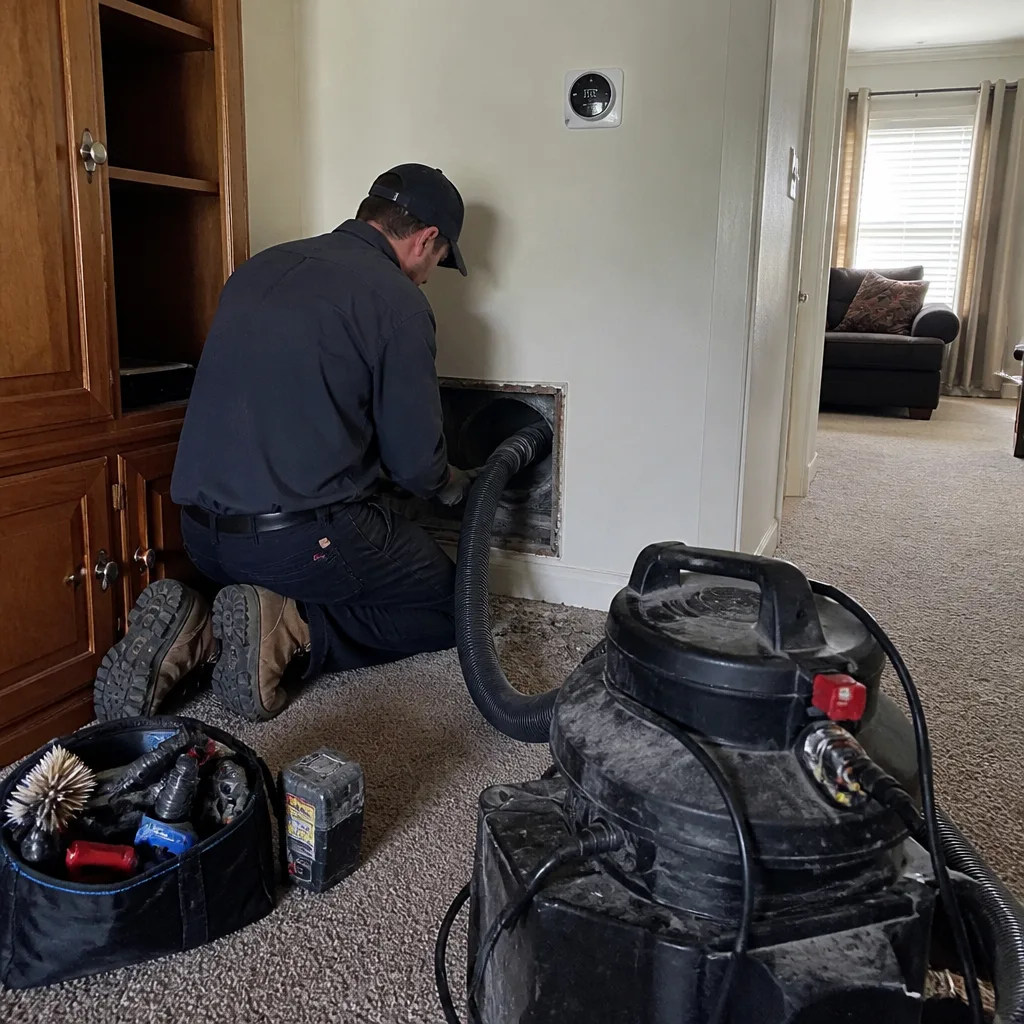 Before
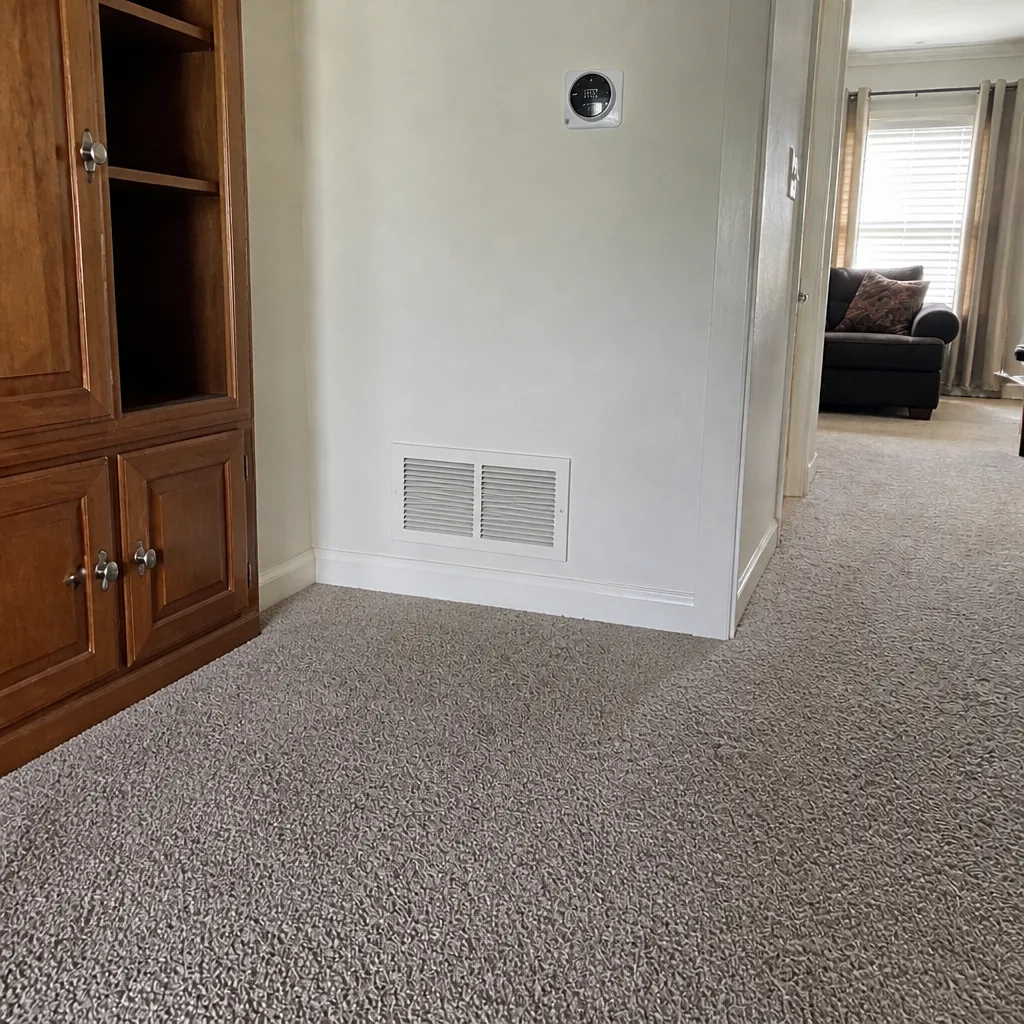 After
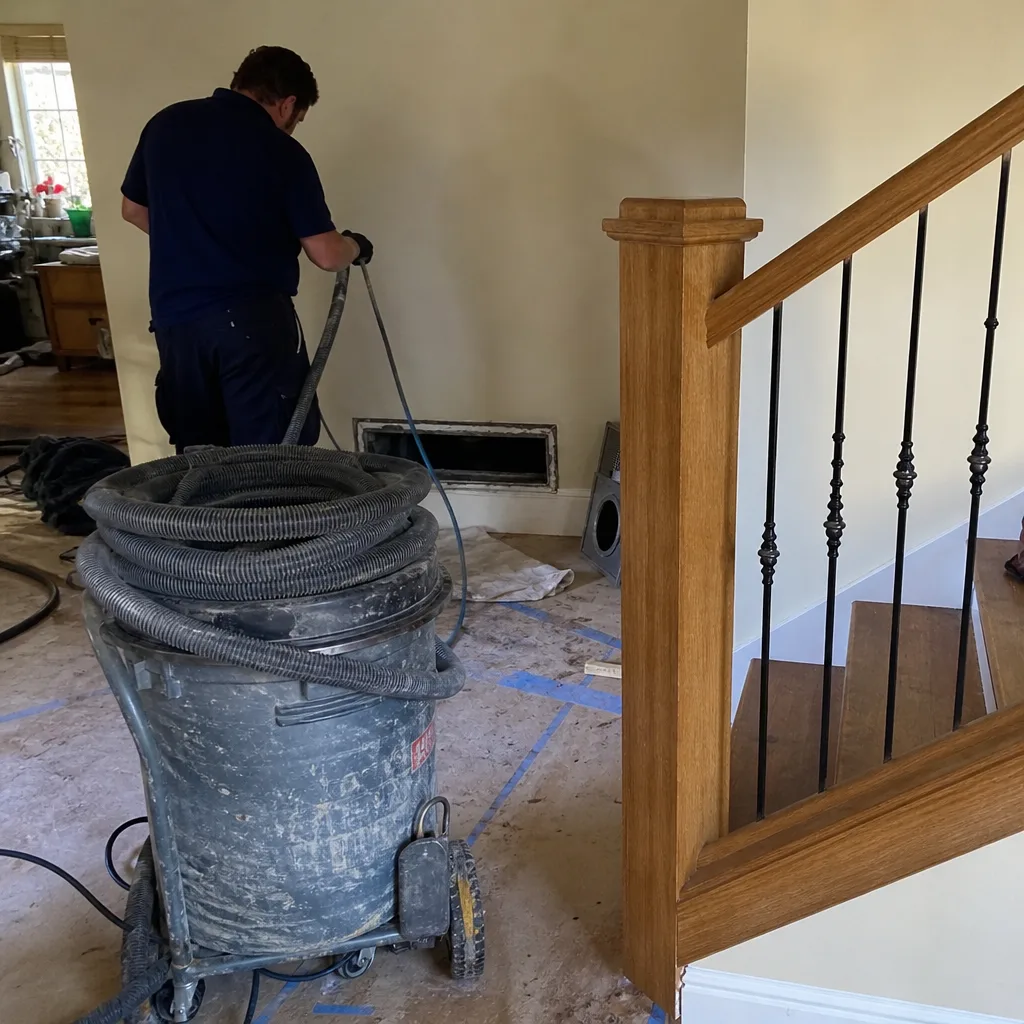 Before
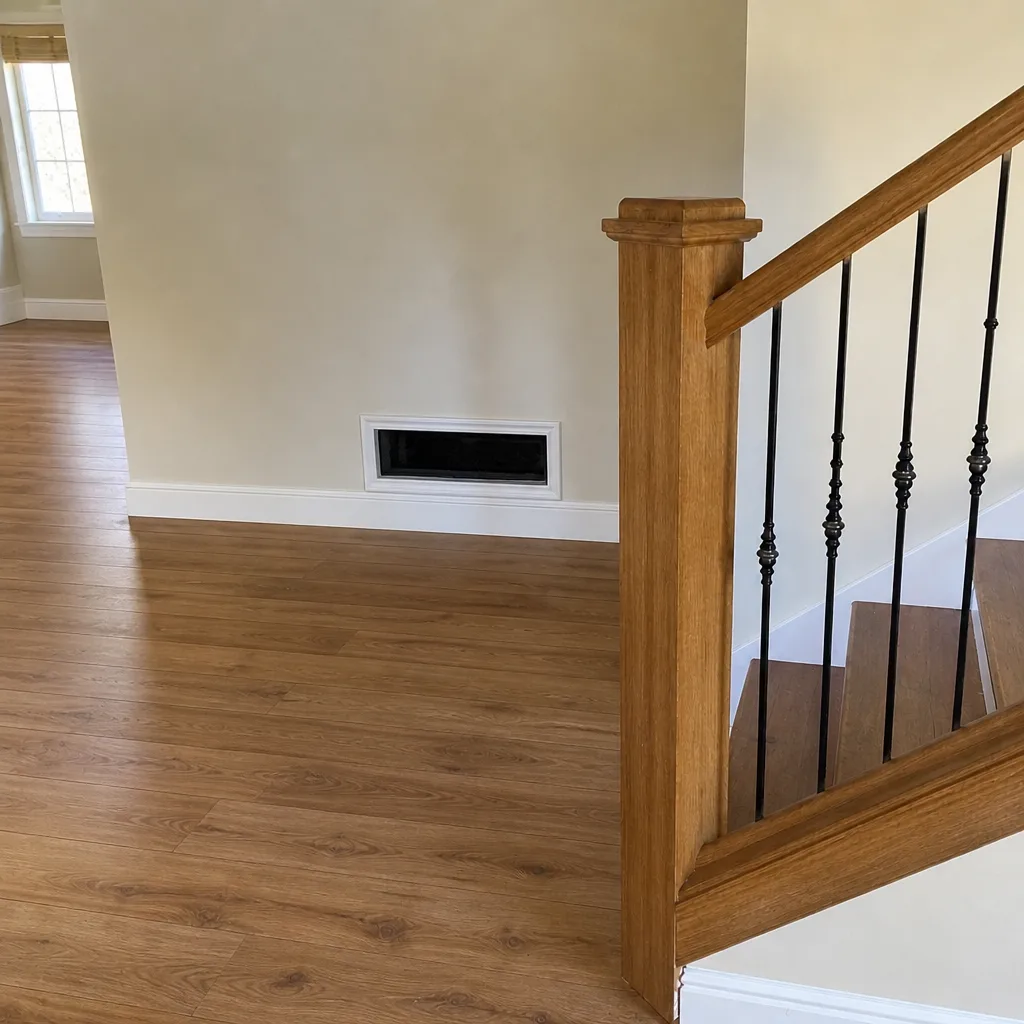 After
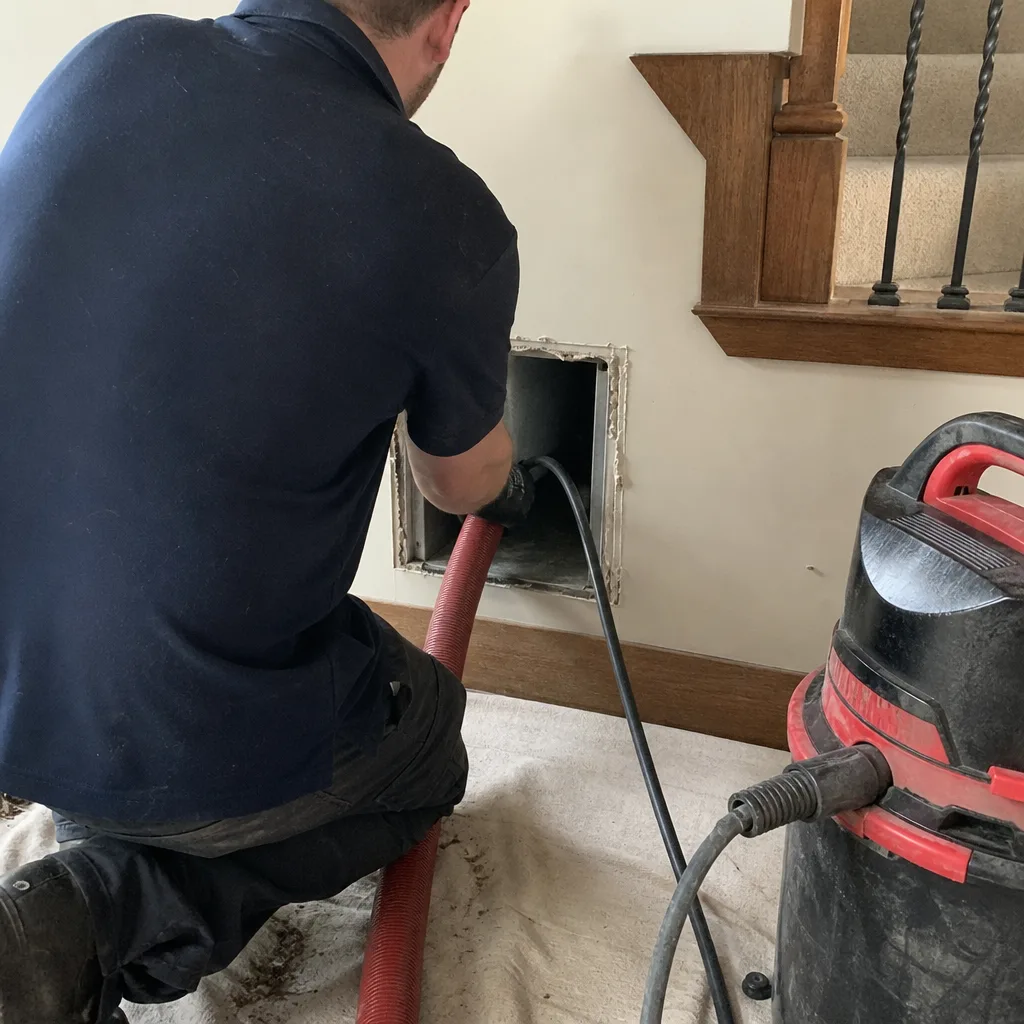 Before
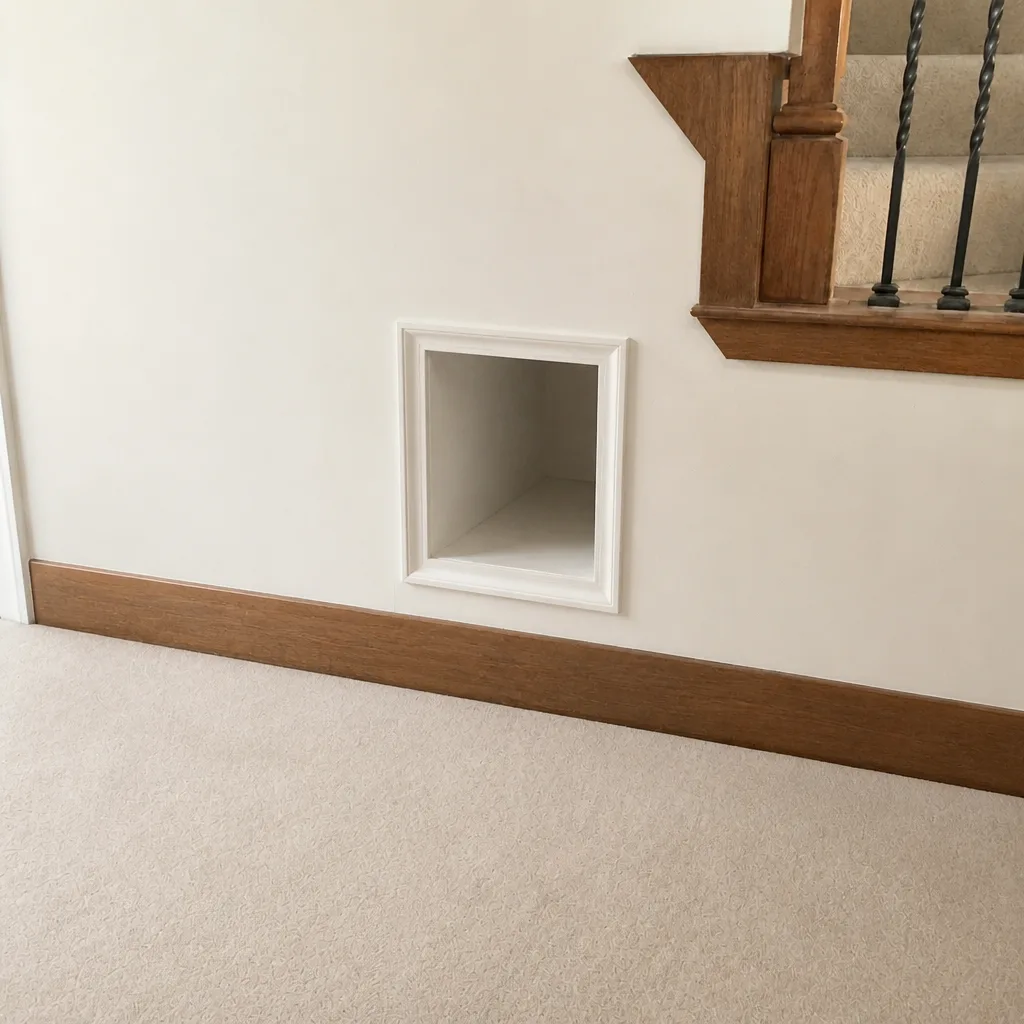 After
Common Mistakes to Avoid
- Booking a phone quote. A real estimate requires a vent count and a look at the duct system. A phone quote is often a placeholder that grows once the technician is inside.
- Choosing the lowest bid without comparing scope. The lower number usually reflects a smaller scope, not a better price for the same job. Match scope to scope first.
- Ignoring the repair question. In older Portland homes, ductwork has often been modified more than once. A contractor who can’t repair what they find leaves you with a cleaning that doesn’t fully solve the problem.
- Skipping the equipment questions. If you don’t ask about the vacuum system, CFM rating, agitation method, negative pressure, and verification, you have no way to compare operators on anything but price.
- Accepting a per-vent quote. Per-vent pricing makes the invoice grow with the number of vents and obscures what you’re actually paying for. A flat per-system price is the standard.
- Not asking for before-and-after photos. Photos of your own ducts are the only evidence the work was done at the level claimed. A contractor who can’t provide them hasn’t verified anything.
- Treating NADCA membership as a whole vetting. Membership is a starting filter, not a guarantee of quality. The equipment questions and scope details matter more than the logo.
When to Call a Professional
Call a professional when you notice the system running but the house never feeling quite clean – persistent dust on surfaces, allergy symptoms that spike when the air handler runs, or a musty smell when the system kicks on. If you’ve recently renovated and dust or debris is in the air, a professional clean is the right response once construction is done. If a home is older and you don’t know when the ducts were last cleaned, have the system inspected before you make assumptions. And if you have a clogged dryer vent, that’s a separate job with its own safety case; a lint-choked vent is a documented residential fire risk, which is why we run dryer vent cleaning as a standalone service rather than an add-on. Steadfast Air Duct Cleaning offers free estimates in Portland – call (877) 957-0767. We answer 24/7. Fast dispatch from 7am to 7pm, Sunday through Friday.
Frequently Asked Questions
Air duct cleaning in Portland is priced per system, not per vent, and a fair quote is scoped to your home after a vent count and duct inspection. Anything priced per vent or quoted over the phone without those details is not a real estimate. Call (877) 957-0767 for an exact quote – estimates are free.
Cheap quotes are usually cheaper because they cover less: fewer runs, consumer-grade equipment, no filtration, no verification. The low figure is a starting point that grows on the day. Ask what’s included and compare scope to scope, not price to price. Call (877) 957-0767 for a written, scoped quote.
You know the work was done when the contractor shows you before-and-after photos of your own ducts and walks you through what was cleaned and what was found. A verbal assurance isn’t verification. Steadfast uses Abatement Technologies filtration on every job to capture what’s dislodged, and we show you the result. Call (877) 957-0767 for an exact quote.
There’s no universal schedule – it depends on your system, your home, and what’s happening in it. A home that’s been renovated, has pets, or shows symptoms of a dirty system needs it more often than one that doesn’t. Have the system inspected and let a professional tell you what it needs, not what a calendar tells you. Call (877) 957-0767 for a free estimate.
Licensing requirements for duct cleaning and duct repair vary, and general contractor licensing in Oregon doesn’t automatically cover every category of work. Ask any contractor you’re considering how their work is licensed and insured, and confirm the answer in writing. We’re insured and happy to answer those questions before you book. Call (877) 957-0767.
No – a shop vac can’t move enough air or maintain negative pressure, and it recirculates fine particulate instead of capturing it. DIY duct cleaning can also dislodge debris that then settles elsewhere in the system. Professional systems like Rotobrush and Nikro exist because consumer equipment isn’t built for this. Call (877) 957-0767 for a free estimate.
The Bottom Line
Hiring a duct cleaning contractor in Portland comes down to a handful of questions asked before you book: what equipment, what CFM, what agitation, how is negative pressure held, and how is the work verified. Get a flat per-system price in writing, confirm the contractor can repair what they find, and ask reference questions that get at scope and surprise cost. NADCA membership is a useful starting filter, not a substitute for those questions. A specialist with professional-grade equipment, a verification step, and a repair capability is a safer hire than a generalist with a lower number. When you’re ready to compare quotes, call (877) 957-0767 for a free estimate. We answer 24/7. Fast dispatch from 7am to 7pm, Sunday through Friday.
Written by the team at Steadfast Air Duct Cleaning.