
Last updated November 15, 2026
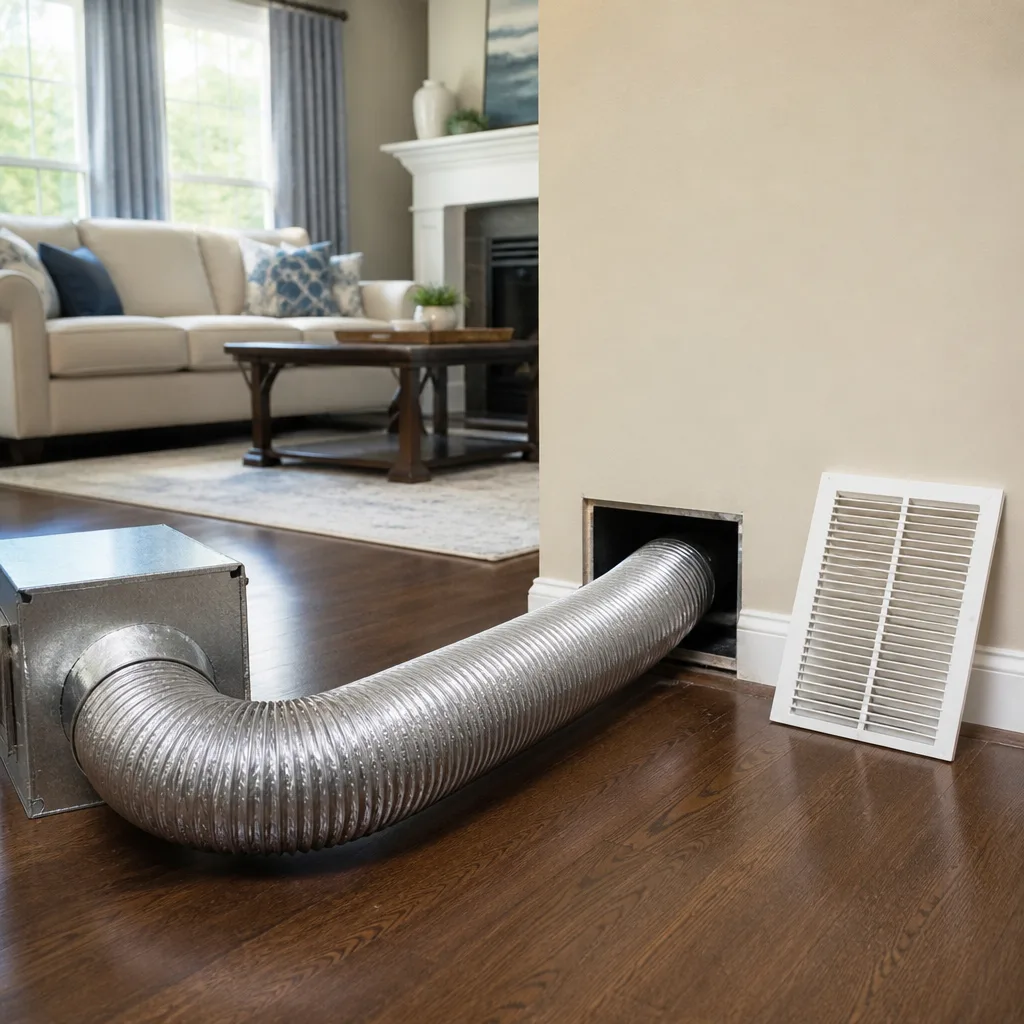 Whole-home duct cleaning
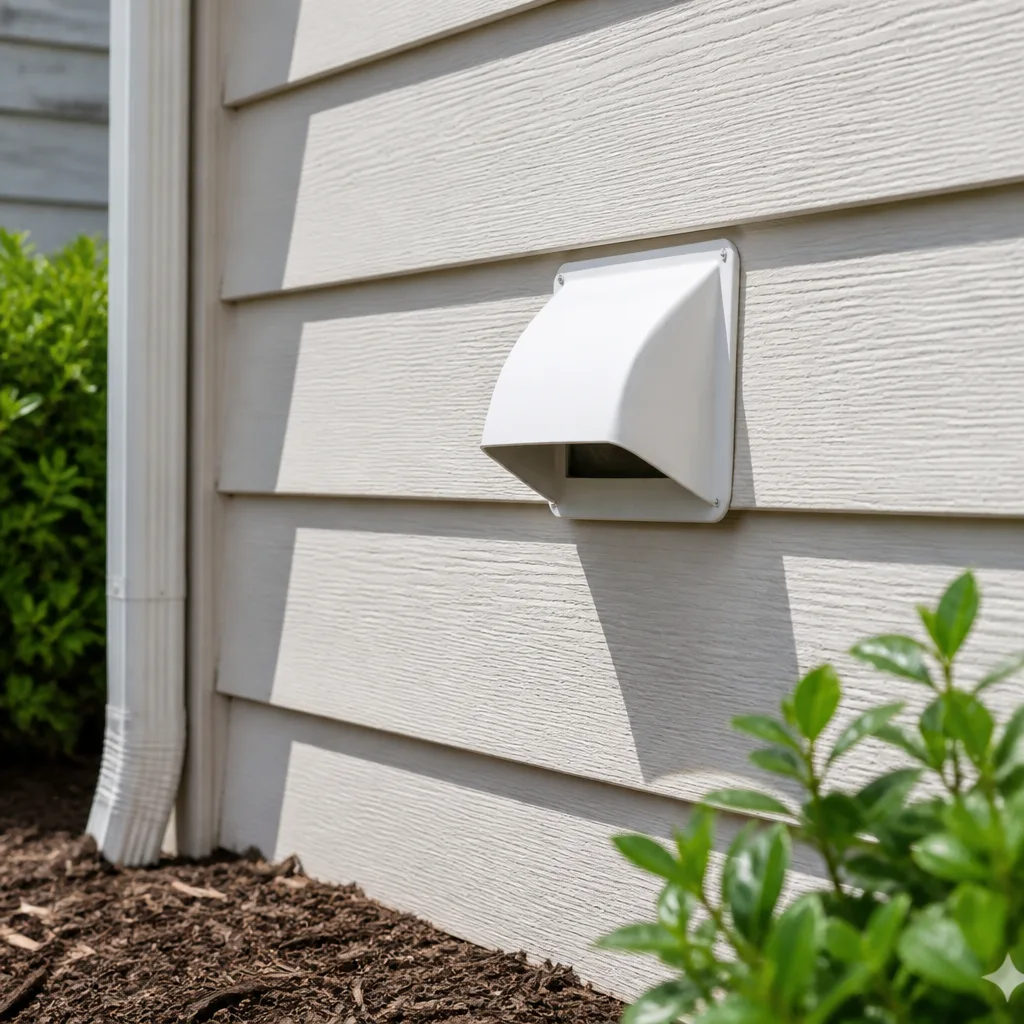 Dryer vent cleaning
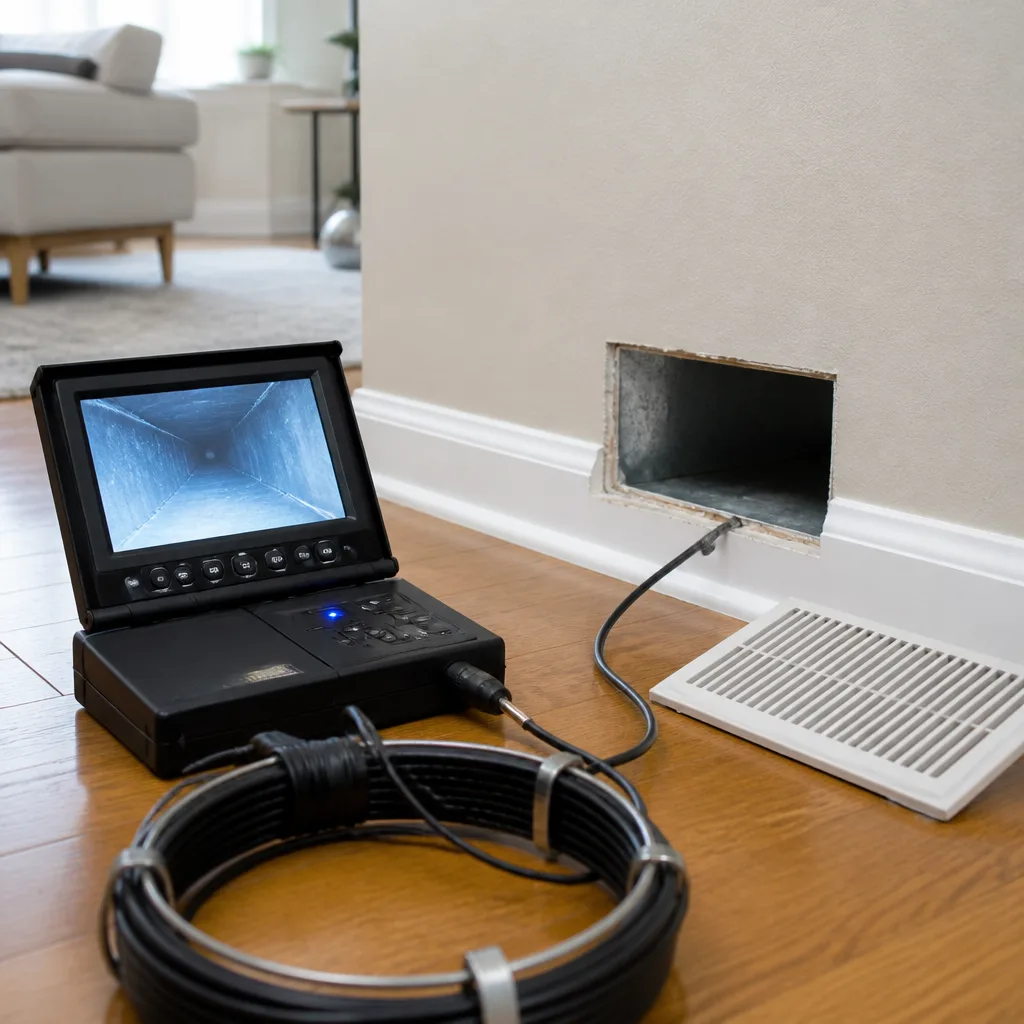 Camera inspection
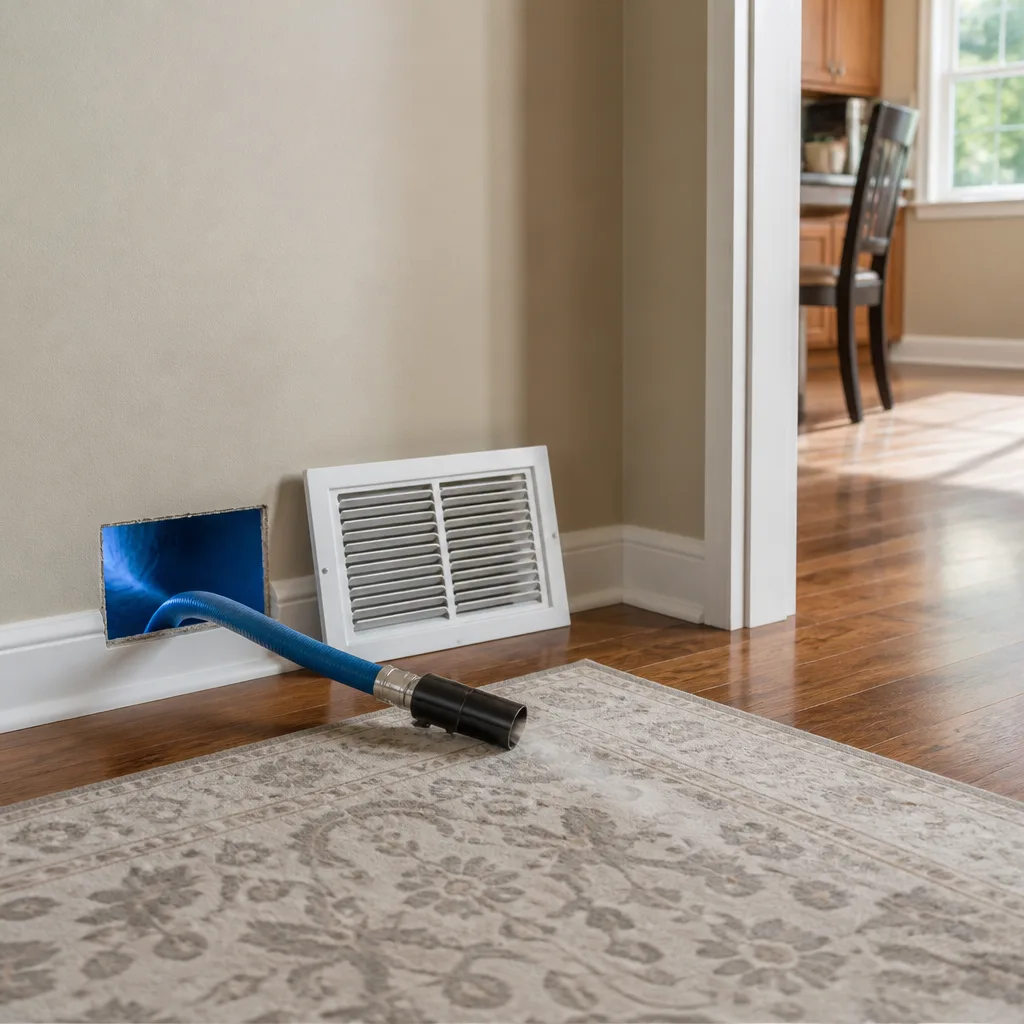 Sanitizing & deodorizing
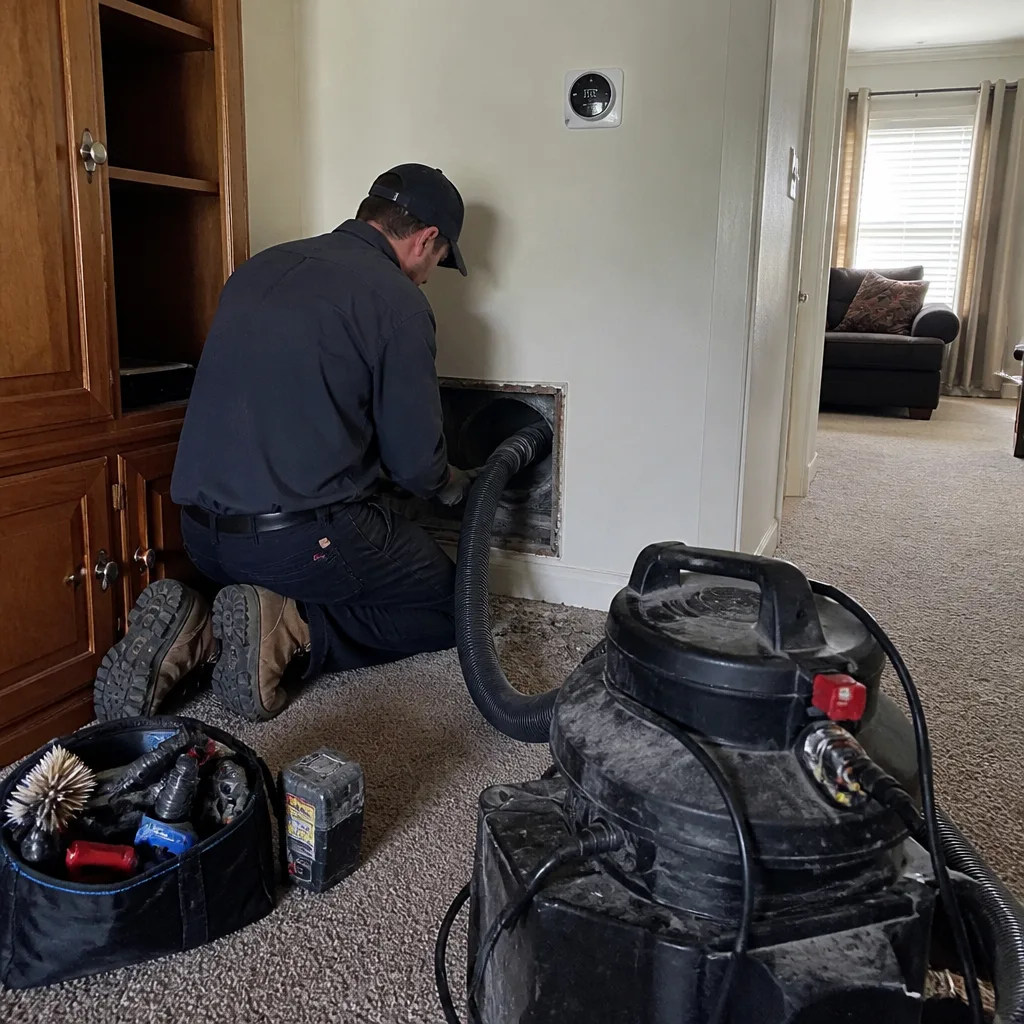
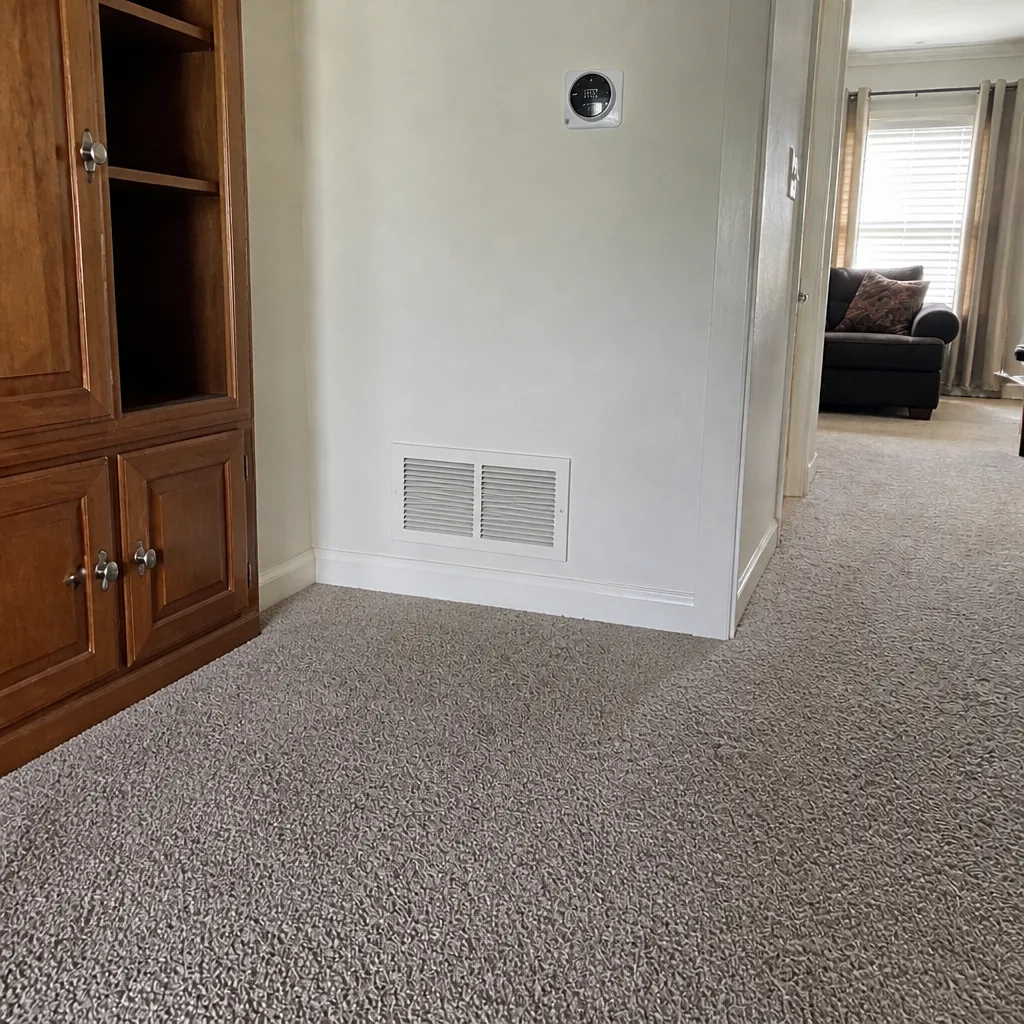
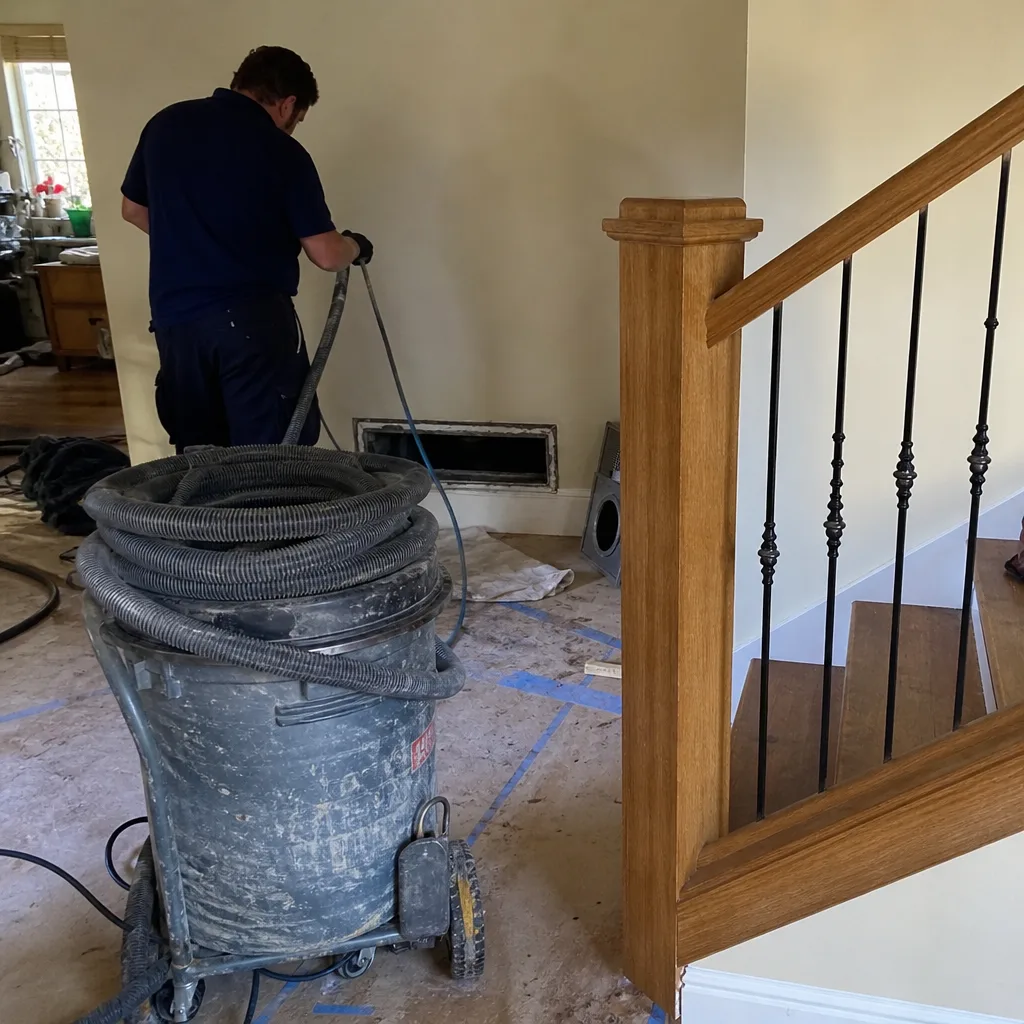
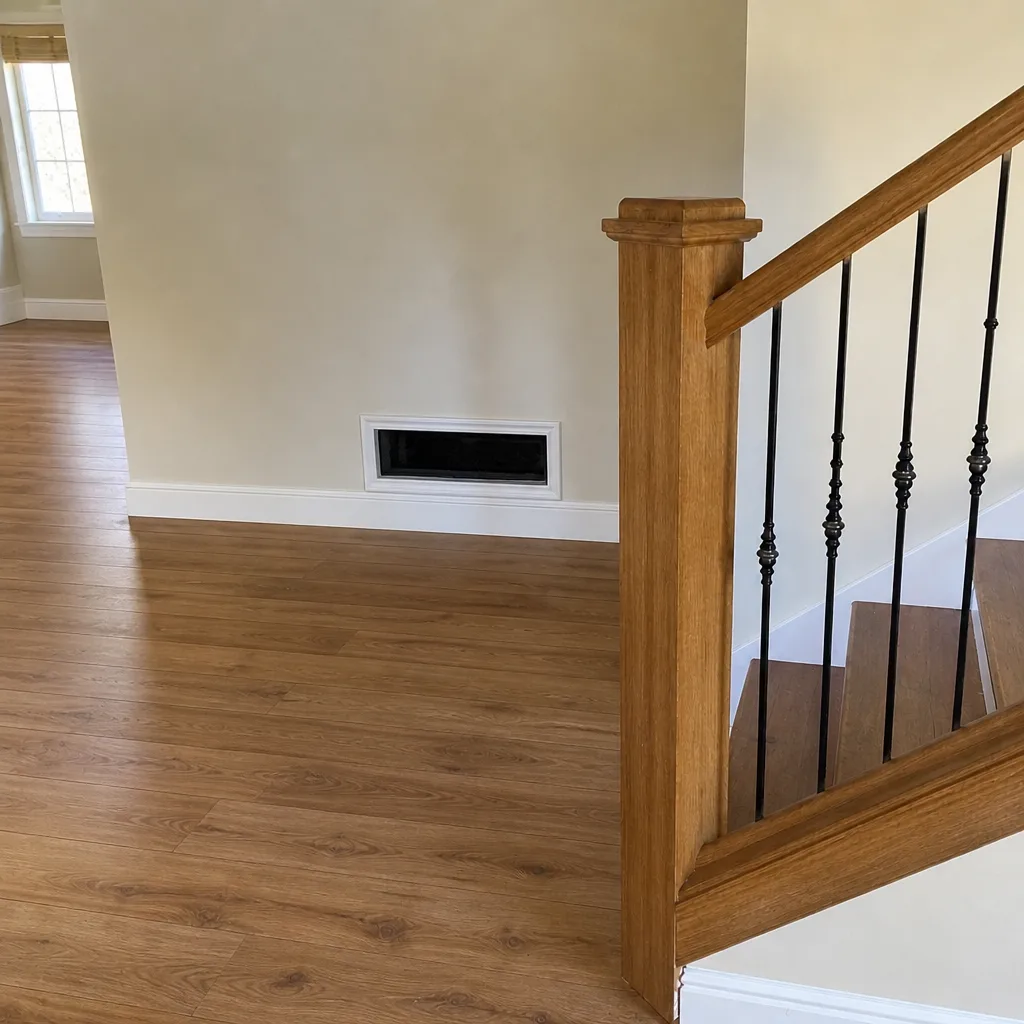
Whole-system duct and dryer vent check with before-and-after photos - you see exactly what came out of your vents
That "$99 whole-house special" is a bait ad - the real number appears once they are in your hallway, or the "clean" is a shop-vac at the register. We photograph the inside of your ducts before and after instead.
Air Duct Cleaning Emergency Preparedness Guide for Portland Homes
Most homeowners treat duct cleaning as a cosmetic chore, something to think about when the vents look dusty. The harder truth is that your duct system is the one part of your house that decides how fast you recover from a bad air week. During the 2020 Labor Day fires, Portland’s air quality index climbed past 400 and stayed there for days. Homes that ran their HVAC on recirculate still pulled smoke in through duct leakage, because recirculation only works in a sealed system. This guide covers what to do before, during, and after the emergencies Portland actually gets: wildfire smoke, ice storms, and crawlspace flooding. You’ll learn the response protocol for each, how to document duct condition for insurance, and the pre-season steps that keep your system from becoming a liability.
Quick Answer
Duct emergency preparedness in Portland means sealing duct leaks before smoke season, checking the system before restarting it after an ice storm power outage, and inspecting crawlspace ducts for moisture before you attempt cleaning after a flood. After a declared emergency event, photograph duct interiors and vents before and after cleaning so your insurer has a documented chain of evidence. Reaction order matters more than reaction speed: seal first, inspect second, clean third.
Styles & brands we work with
- Whole-home duct cleaning
- Dryer vent cleaning
- Camera inspection
- Sanitizing & deodorizing
Table of Contents
- Wildfire Smoke Response: When to Run the System and When to Shut It Down
- Ice Storm Recovery: The Duct Check Before You Restart the System
- Crawlspace Flooding and Duct Contamination
- Documenting Duct Condition for Insurance Claims
- Pre-Season Preparation: Reducing Duct Vulnerability
- Emergency Cleaning vs. Scheduled Cleaning: What’s Different
- Portland Neighborhood Context: What Different Housing Stock Faces
- What Professional Equipment Changes About the Outcome
Wildfire Smoke Response: When to Run the System and When to Shut It Down
During a smoke event, the right move depends on whether your duct system is sealed. If ducts are tight and the filter is a proper MERV rating for your system, running the fan on low with the house closed up and the fresh-air intake shut will keep indoor air cleaner than outdoor air. If ducts leak at the joints, running the system pulls smoke into the return side and distributes it through bedrooms and living rooms. You’re better off shutting the system down and taping plastic over the return grille than circulating smoke all night.
Portland’s wildfire season has shifted. Smoke intrusions that used to be late-summer events now arrive in early September and occasionally into October. Multnomah County, Clackamas County, and Clark County across the river can all sit under the same smoke plume, but the response looks different house to house. A 1912 bungalow in Sellwood with original sheet-metal trunk lines has leaks at every seam. A newer build in Happy Valley with mastic-sealed flex duct is in much better shape.
Here’s the three-step sequence we recommend during a multi-day smoke event:
- Before the event: have ducts inspected and sealed. Leakage at the plenum, at boots where they meet the floor, and at every flexible joint is where smoke enters.
- During the event: close windows and the fresh-air damper, run the system fan on low with a clean filter only if the ducts have been sealed; otherwise shut the system off and seal return grilles with painter’s tape and plastic sheeting.
- After the event: don’t restart the system as soon as the AQI drops. Smoke residue coats duct interiors, settles in the blower wheel, and clings to the evaporator coil. A full cleaning with Abatement Technologies air filtration running over the work area captures the dislodged ash instead of re-circulating it through the house.
If your home has a Honeywell or Aprilaire whole-home filter or media cabinet, swap the filter after a smoke event rather than waiting out its service interval. A loaded filter is a smoke reservoir, not a barrier. Familiarity with these systems matters, because not every media cabinet takes a standard replacement size.
Ice Storm Recovery: The Duct Check Before You Restart the System
Portland’s ice storms are short but disruptive. The January 2024 event left parts of the metro without power for close to a week, and homes sat below freezing with no heat running. When power comes back, the temptation is to crank the thermostat and forget it. Don’t. A system that sat idle in freezing weather needs three checks before it runs long, and duct condition is one of them.
Cold air pooling in uninsulated ducts in a crawlspace or attic, plus the freeze-thaw cycle Portland gets in the days after an ice storm, can cause duct tape to lift at joints. Flex duct inner liners can detach from their collars when a system that’s been off suddenly pushes full airflow through it. And if a condensate line froze and cracked, you’ve got moisture entering the system the moment the blower starts.
Run this sequence before resuming normal operation:
- Look at the ducts in the crawlspace or attic. Any visible ice, water staining, or detached flex liner means stop and call a technician.
- Check the condensate drain pan and line for cracks or standing water.
- Turn the fan to “on” with the heat off for fifteen minutes. If you smell musty air at the registers, moisture is in the system.
- Change the filter if it looks dark or matted from sitting through a cold, humid week.
- Only then bring the system back to a normal schedule, gradually. Running a system that sat idle for days through a full heating load in one step stresses every joint in the ductwork.
The homes most at risk are older ones with crawlspace trunk lines and unsealed boots. If your home has original 1950s or 1960s ductwork and just went through a multi-day outage, a post-storm duct inspection is worth the appointment. This is exactly the kind of follow-up that separates a full-system check from a simple surface clean, and it’s why Steadfast Air Duct Cleaning treats repair as a standalone service.
Crawlspace Flooding and Duct Contamination
Crawlspace flooding after a heavy rain event or a burst pipe is a Portland-specific problem because so many homes here are built over unsealed or vented crawlspaces. When water reaches the duct trunk line, three things happen at once. Insulation inside the duct jacket gets wet. The metal duct interior begins to corrode at seams. And the crawlspace humidity feeds biological growth that then gets drawn through the system into living spaces.
You cannot clean a wet duct system. Cleaning a wet duct just distributes moisture and contaminant deeper into the run. The correct sequence is inspect, dry, then clean. Here’s the timeline we work on:
- Day 0 to 1: stop running the HVAC system entirely. Pull standing water from the crawlspace with a wet-vac or sump pump. Photograph everything before any cleanup begins.
- Day 1 to 5: dry the crawlspace with air movers and a dehumidifier. Do not close off vents until the wood framing and duct exterior are dry to the touch.
- Day 5 to 10: inspect inside the ducts with a camera. Wet insulation on the interior of flex duct means the duct needs replacement, not cleaning. Rigid metal that’s dry but stained can usually be cleaned once moisture readings stabilize.
- After drying: full mechanical cleaning with HEPA filtration running over the work area. Then a leak inspection, because water intrusion often finds leaks that were already there.
Crawlspace duct runs in Portland neighborhoods like Alameda and Irvington are often the longest in the system and the most exposed. If your home has ever had standing water in the crawlspace, even once, plan a duct inspection before the next heating season starts. Water damage to ducts doesn’t announce itself. You notice it as musty air, higher heating bills, or a system that never quite gets the house warm.
Documenting Duct Condition for Insurance Claims
Insurers rarely cover routine duct cleaning, but they do cover duct damage or contamination caused by a covered event like a burst pipe, a fire, or a wind-driven water intrusion. The difference between a paid claim and a denied one is almost always documentation. Claims adjusters need to see condition before, cause identified, and condition after. A verbal “the ducts were dirty” gets nowhere.
Here’s what to gather immediately after any declared emergency event affects your home:
- Photograph every register and return before you clean anything. Include a date-stamped wide shot of the room and a close shot of the grille.
- Photograph the duct interior at the plenum and at two or three accessible boots. A cheap phone light and a phone camera work fine.
- Save the AQI or weather records showing the event dates. For a smoke event, screenshots of county or state air quality bulletins are enough.
- Get a written inspection from a technician documenting what’s in the system and what caused it, before cleaning begins.
- Keep before-and-after photos of the actual work. Any professional cleaning should come with photos of your own ducts, not stock images.
Do this even if you don’t file a claim immediately. Having the record lets you file later if symptoms show up. Ask any contractor you hire whether they document the work photographically. Before-and-after photos of your own system are one of the strongest signals that the work was actually done, and they’re one of the reasons we insist on them. When your Portland home is in a declared disaster area, don’t move fast on cleaning. Move fast on documentation, then move on cleaning.
Pre-Season Preparation: Reducing Duct Vulnerability
The best emergency response is the one you never need. Portland has three predictable high-risk windows: wildfire smoke in late summer and early fall, ice storms between December and February, and heavy rain driven by atmospheric rivers from November through March. Each window has a matching prep task. Doing these four things before the window opens is the single biggest difference between recovering in a week and dealing with contaminated air for a season.
- Seal duct leakage before smoke season. Have a technician inspect joints at the plenum, all accessible boots, and every connection in the crawlspace or attic. Mastic and mesh tape at those joints stops the infiltration path smoke uses.
- Upgrade to a proper media filter before winter. A Honeywell or Aprilaire media cabinet holds far more particulate than a one-inch filter. Replace it before the heating season so it starts clean and can carry the load through a cold snap.
- Clear and inspect the dryer vent before fire season. Dryer vents are a separate system, but they’re the fire risk most duct cleaners treat as an afterthought. The NFPA cites lint buildup as a leading cause of residential fires. Late-summer heat plus a lint-clogged vent is a bad combination. This is where dryer vent cleaning belongs in your fall prep list, not in a spring cleaning afterthought.
- Check the crawlspace before the rain year starts. Clear the perimeter drainage, look for evidence of previous water lines on the foundation, and confirm any duct runs in the crawlspace have intact exterior insulation.
Put the four prep steps on the calendar in July, not October. That’s when you can still get an air duct cleaning appointment scheduled at a normal pace, before smoke season pushes demand up. If your ducts are damaged, repairing them before the season starts is often what makes the difference between clean air and filtered smoke for the whole winter.
Emergency Cleaning vs. Scheduled Cleaning: What’s Different
Emergency-driven duct cleaning and routine scheduled cleaning aren’t the same job, even though they use the same equipment. A scheduled cleaning is a maintenance task on a system in normal condition. An emergency cleaning happens after a specific contaminant event: smoke, water, dust from a nearby fire, or biological growth after flooding. The scope is different, the documentation is different, and the required equipment is different.
The core difference comes down to containment. During a scheduled cleaning on a well-kept system, contaminant load in the ducts is low. During a post-smoke or post-flood cleaning, the ducts hold concentrated contamination. The cleaning has to happen inside a negative-pressure envelope, or the contaminants get pushed into the living space as they’re dislodged. That’s why we run Abatement Technologies air filtration on every job, not just the serious ones.
Radius and reach also matter more in an emergency. Post-event cleaning usually needs to reach deep into trunk lines and the plenum, not just the accessible boots. Rotobrush and Nikro systems are built for that depth. A consumer shop vac reaches a few feet and leaves the rest.
Scheduled cleaning, by contrast, is about maintenance intervals. Most Portland homes land on a two- to five-year cycle depending on pets, occupants with allergies, and whether the home has been through any major renovation. Emergency cleaning doesn’t replace scheduled cleaning. It resets the clock, but the next scheduled cleaning is still two to five years out.
Portland Neighborhood Context: What Different Housing Stock Faces
Portland’s housing stock varies enough that emergency duct response can’t be a single protocol. The age of the house, the type of ducts, and the placement of the system all change what the response looks like.
- Sellwood, Irvington, Alameda, and Laurelhurst: bungalows and foursquares from the 1910s to 1930s. Original sheet-metal trunk and branch ductwork, often with unsealed joints. Smoke infiltration is highest here because every joint is a leak. Sealing is the first priority before any wildfire season.
- St. Johns, Kenton, and Foster-Powell: mid-century homes with crawlspace supply trunks. Crawlspace flooding risk is real, and post-storm duct inspection should happen every winter. Water intrusion here often goes unnoticed until the heating season starts.
- Hillside and West Hills homes: varied builds from the 1950s through recent. Steep lots mean more surface runoff in heavy rain. Duct runs through exterior walls and unconditioned spaces see the biggest temperature swings.
- Happy Valley, Tigard, Beaverton, Lake Oswego: newer builds with mastic-sealed flex duct and tighter envelopes. Less leakage, but flex duct is more vulnerable to detachment after a cold-weather power outage. Post-storm liner check matters most here.
- Inner eastside condos and multifamily: shared duct systems with unit-level returns. Response requires coordination between units, and documentation matters more because the loss crosses property lines.
If you’re not sure which category your home falls in, a free pre-season inspection sorts it out. We look at duct type, condition at the accessible points, filter cabinet brand, and crawlspace exposure. That conversation usually determines which of the three risk windows (smoke, ice, water) requires the most attention.
What Professional Equipment Changes About the Outcome
The difference between a thorough post-emergency duct cleaning and a surface pass isn’t effort. It’s equipment. Consumer vacuums and shop vacs move enough air to reach a few feet into a duct. Rotobrush and Nikro systems move a compressed-air whip and rotary brush through the full length of the trunk and branch lines, dislodging contaminants that have settled over years. That reach is what actually matters after a smoke or flood event.
Containment matters just as much. Every job we do runs Abatement Technologies air filtration in the work area so dislodged contaminants are captured rather than pushed into living spaces. That’s true for scheduled cleanings, and it’s essential for emergency cleanings where the contaminant load is concentrated.
The third piece is inspection, and this is where most duct cleaners stop short. If we find a detached liner, a rusted-through section, or a broken boot, we can seal, patch, or replace it. Repair is a standalone service here, not an upsell. Skill with Guardsman, Honeywell, and Aprilaire whole-home air systems helps tie duct condition back to the wider air quality picture in the house, because the ducts are the delivery system for everything else.
Our technicians have up to 8 years of experience. That experience shows up in the small things: knowing when a duct is too wet to clean, knowing what a smoke-contaminated plenum looks like versus an ordinary dusty one, and knowing how to document the work so an insurance adjuster can follow the paper trail.
Common Mistakes to Avoid
- Running the system on recirculate during a smoke event with leaking ducts. Recirculation only filters air from the return side. If the ducts leak, you pull smoke from the crawlspace or attic and push it through the house. Seal first, then circulate.
- Restarting the heating system immediately after a multi-day ice storm outage. A cold system with frozen condensate lines and stress on flex duct connections needs a check before it runs at full load. Give it twenty minutes and a visual inspection first.
- Cleaning ducts while the crawlspace is still wet. A wet duct can’t be cleaned. Drying has to complete first, or the mechanical action just distributes moisture and spores. This is a common post-flood mistake in Portland homes with vented crawlspaces.
- Waiting for the AQI to drop before firing up the shop vac. Consumer vacuums don’t have HEPA capture and will exhaust fine ash back into the room. Let a professional run the post-smoke cleaning with proper filtration.
- Skipping documentation because you don’t think you’ll file a claim. Photos taken on the day of the event are worth far more than photos taken after cleaning, even if you never file. Save the originals.
- Treating the dryer vent like an also-ran. A clogged dryer vent is a fire hazard, not a nuisance. It belongs on the same pre-season prep list as the heating ducts, especially given Portland’s late-summer dry conditions.
- Assuming the post-emergency clean replaces the scheduled maintenance cycle. Emergency cleaning resets the clock. It doesn’t remove the need for a scheduled cleaning every two to five years depending on household conditions.
See the difference
 Before
 After
 Before
 After
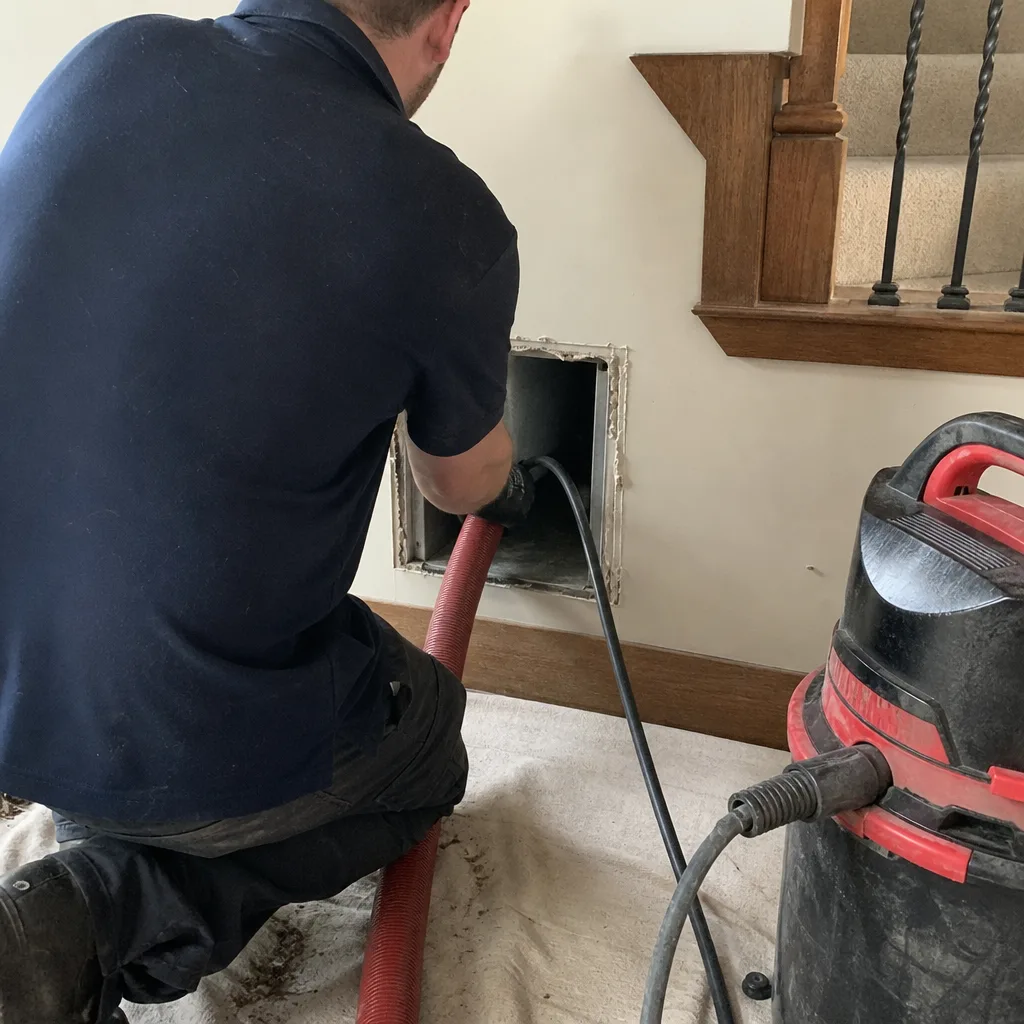 Before
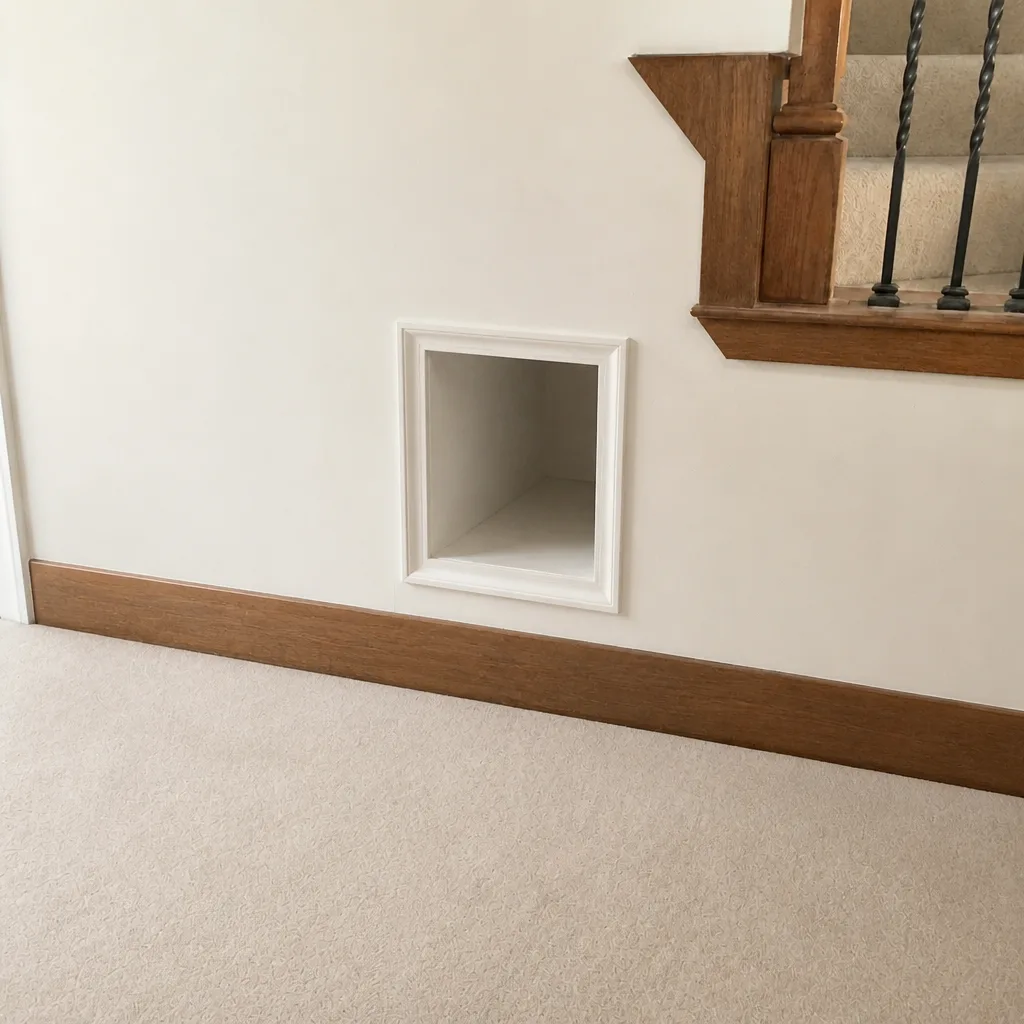 After
When to Call a Professional
Call a professional if your home has been through a smoke event lasting more than 48 hours with the windows closed, if the power was off for more than two days during a cold snap and the ducts sit in a crawlspace, or if there’s been any standing water in a crawlspace that holds duct runs. All three situations move the contaminant load beyond what a routine cleaning is designed for, and each requires a specific response sequence. If you see visible water in the crawlspace near ducts, or smell musty air at the registers after a storm, don’t run the system. Call first. Steadfast Air Duct Cleaning offers free estimates in Portland, call (877) 957-0767. We answer 24/7. Fast dispatch from 7am to 7pm, Sunday through Friday. The estimate is free and the price is set per job by the written estimate. We use Rotobrush and Nikro systems and run Abatement Technologies filtration on every job, and we’ll show you before-and-after photos of your own ducts.
Frequently Asked Questions
Post-event duct cleaning in Portland is priced per system, not per vent. Whole-system cleanings in this market typically run in a range that depends on system size, number of trunks and returns, and contaminant load. Expect the estimate to reflect the specific job rather than a coupon number. A written estimate given before work starts sets the final price, and the estimate is free. Call (877) 957-0767 for an exact quote.
No, not effectively. Consumer vacuums can’t reach past a few feet into the duct run, and they don’t capture fine smoke ash on exhaust. A shop vac will dislodge material near the boot and push the rest back into the room. Effective post-smoke cleaning requires professional-grade equipment with containment filtration running over the work area. Call (877) 957-0767 to schedule a free estimate.
Cheaper quotes usually reflect a shorter scope, not a discount. The most common pattern is a per-vent price that covers a handful of accessible vents, with additional charges once the technician is on site. The other common pattern is a home-shop-vac pass with no containment filtration, which can make indoor air worse during the work. Our pricing is one flat price per system agreed before work starts, with no per-vent pricing, and before-and-after photos of your own ducts. Call (877) 957-0767 for an exact quote.
Ask for before-and-after photos of your own ducts, not stock images, and ask the technician to show you the plenum and trunk line inside the system when the work is finished. Any professional service should be willing to do this. If the technician can’t or won’t, that’s a sign. Call (877) 957-0767 to book an estimate and see what the walk-through looks like.
Most homes land on a two- to five-year cycle depending on pets, whether someone in the house has allergies, and any major renovation or emergency event. Homes with original unsealed ductwork may need sealing before they need cleaning. Homes that have been through a smoke or flood event reset the cycle after the event cleaning. Call (877) 957-0767 to talk through your specific situation.
Sometimes, and it’s usually documentation that decides. Coverage exists in some policies for smoke damage to a home’s interior systems, including ducts, when the event is a declared disaster. Photograph ducts before and after cleaning, save AQI records for the event dates, and get a written inspection before work starts. Whether the claim is paid depends on your policy and adjuster, so keep the record complete either way.
The Bottom Line
Duct emergencies in Portland are predictable. Wildfire smoke follows late-summer heat, ice storms land in the middle of winter, and atmospheric rivers flood crawlspaces through the rainy season. Reacting well means knowing the order: seal before smoke season, inspect before restarting after a cold outage, dry before cleaning after water intrusion, and document everything before you touch anything. The cleaning itself should be the last step, not the first. If you’ve been through any of these events and aren’t sure where your system stands, get an inspection before the next event window opens. Call (877) 957-0767. We answer 24/7. Fast dispatch from 7am to 7pm, Sunday through Friday. Free estimates, one flat price per system agreed before work starts, and before-and-after photos of your own ducts.
Written by the team at Steadfast Air Duct Cleaning.