
Last updated November 15, 2026
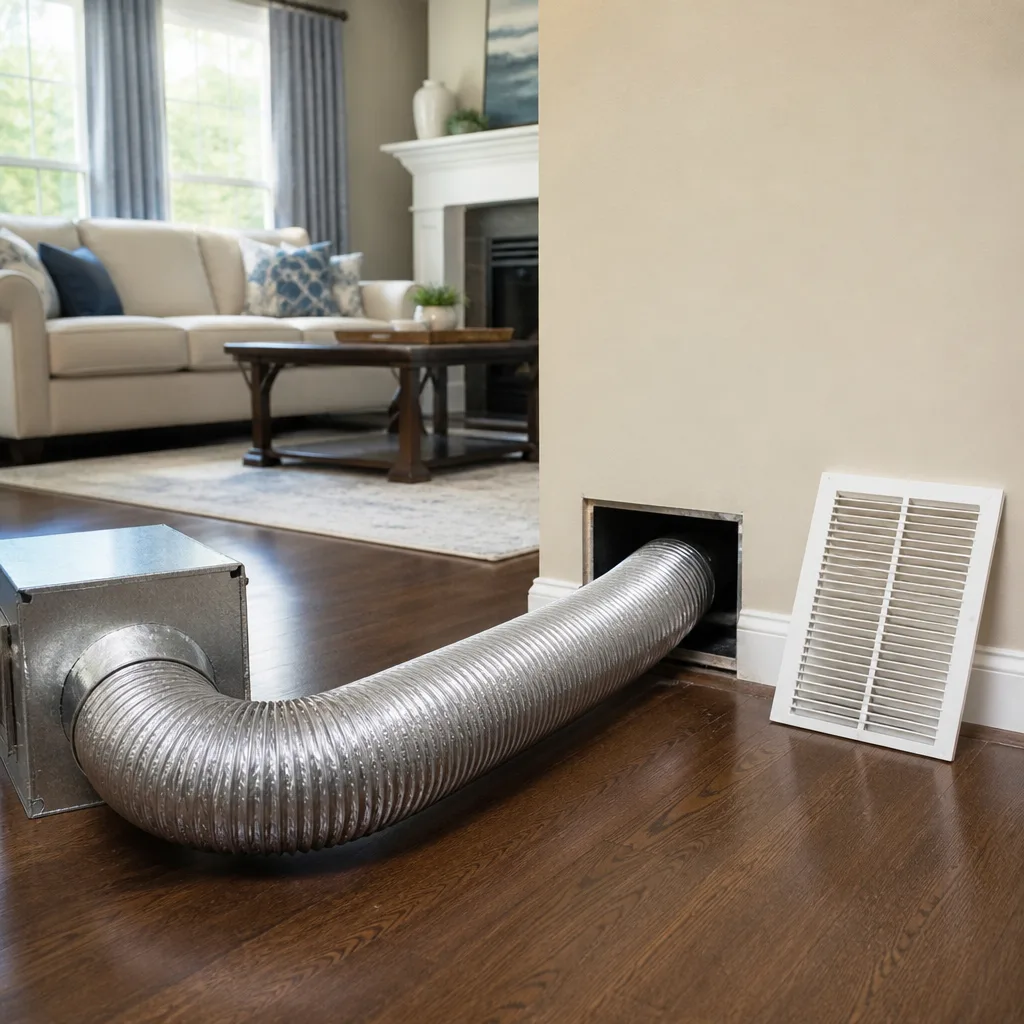 Whole-home duct cleaning
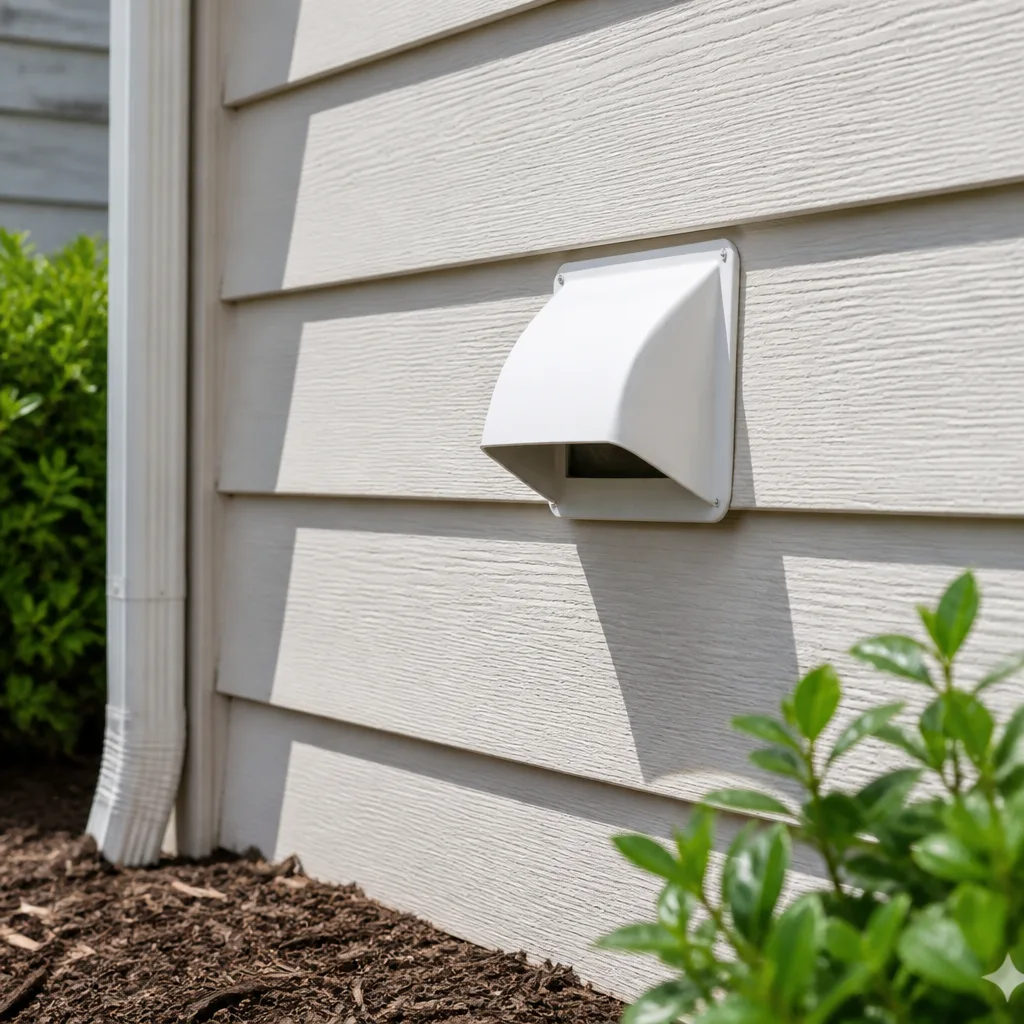 Dryer vent cleaning
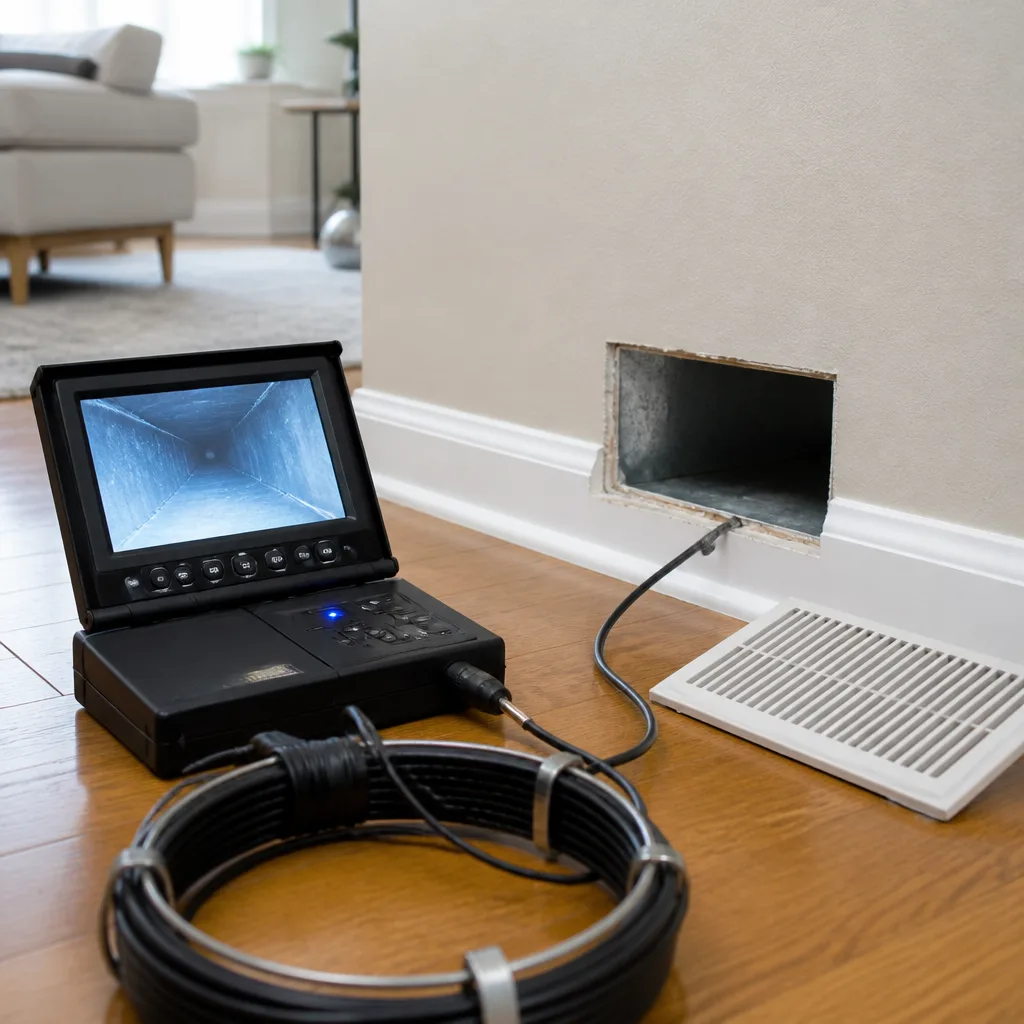 Camera inspection
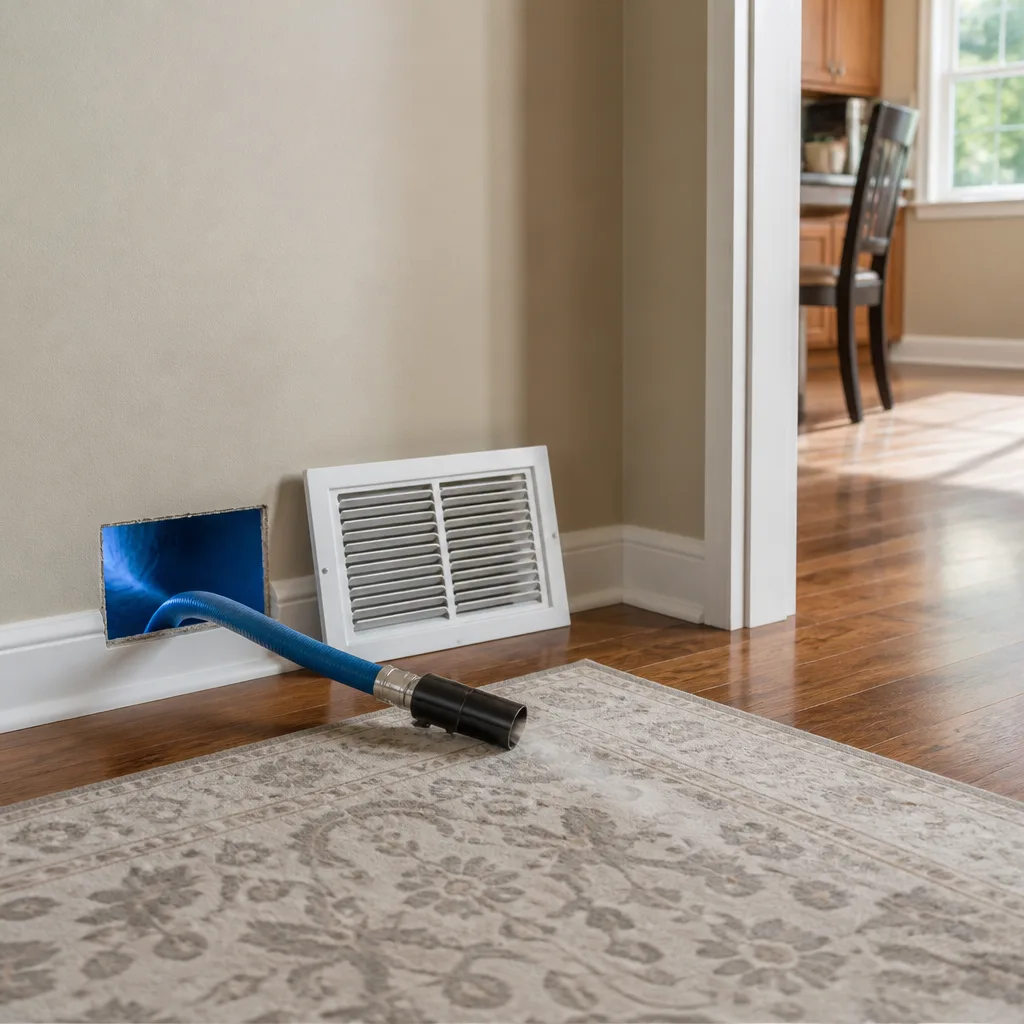 Sanitizing & deodorizing
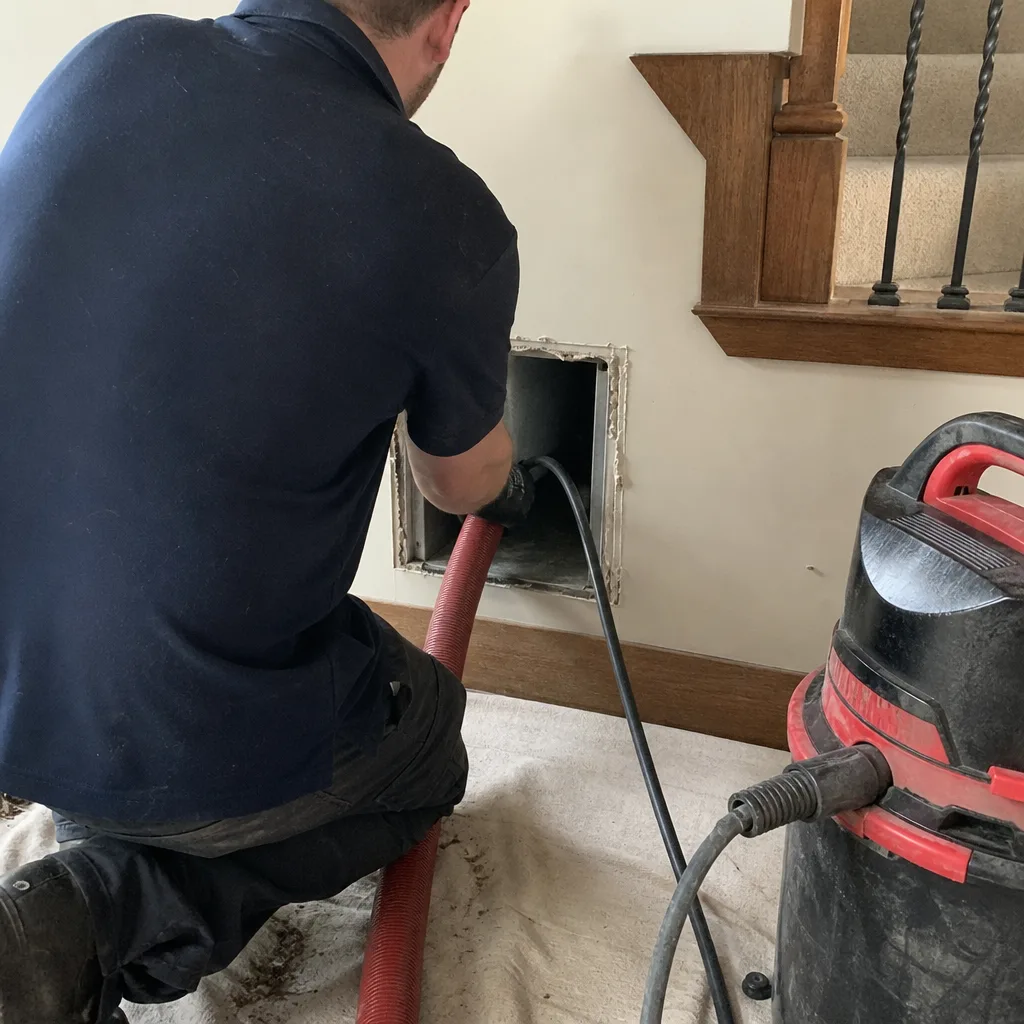
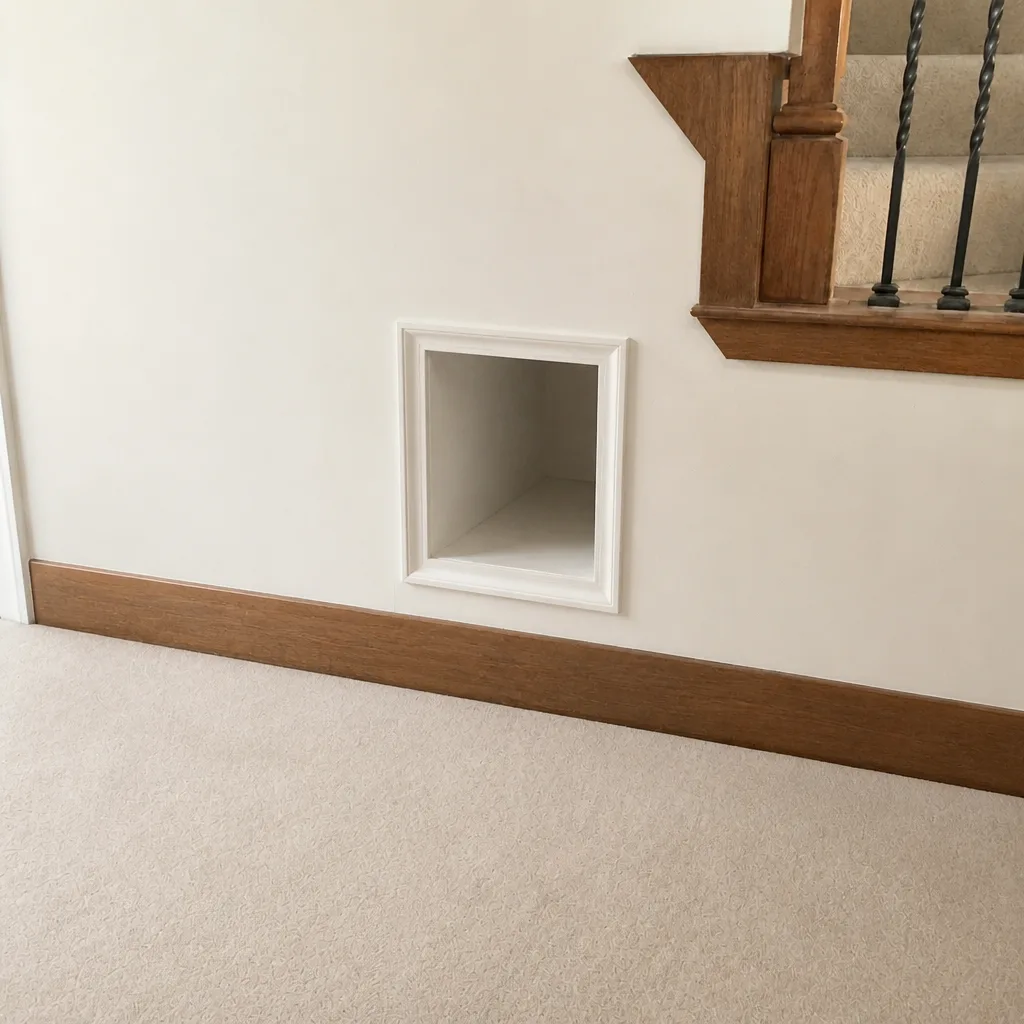
Whole-system duct and dryer vent check with before-and-after photos - you see exactly what came out of your vents
That "$99 whole-house special" is a bait ad - the real number appears once they are in your hallway, or the "clean" is a shop-vac at the register. We photograph the inside of your ducts before and after instead.
Air Duct Cleaning Permits, Codes & Inspections in Portland, OR: What You Need to Know
Here’s the part that surprises people: cleaning your ducts doesn’t need a permit, but repairing them usually does. Those two jobs get bundled together all the time, and the line between them is where homeowners get exposed. A company that vacuums your system and then reconnects a sagging flex run or patches a crushed section in the crawlspace may be doing licensed mechanical work without a permit, and if something goes wrong later, your insurance has a clean reason to walk away. This guide walks through what Oregon’s mechanical code actually requires, how Portland handles duct-related permits, and what to ask for in writing when cleaning and repair happen on the same visit.
Quick Answer
Air duct cleaning by itself does not require a permit in Portland or anywhere in Oregon, because it’s maintenance of an existing system rather than a modification of it. The moment ductwork is repaired, replaced, reconnected, or rerouted, the work generally falls under the Oregon Mechanical Specialty Code and requires a licensed mechanical contractor and a mechanical permit through the Portland Bureau of Development Services. Cleaning is not permitted work. Repair is. Keep that boundary clear and you’ll avoid most of the trouble homeowners run into.
Styles & brands we work with
- Whole-home duct cleaning
- Dryer vent cleaning
- Camera inspection
- Sanitizing & deodorizing
Table of Contents
- What’s the legal difference between cleaning ducts and repairing them in Portland?
- How does the Oregon Mechanical Specialty Code treat ductwork?
- How does Portland’s Bureau of Development Services classify duct work?
- When does a duct job trigger an inspection?
- Where do cleaning jobs most often cross into repair?
- What should a contractor document when repair happens alongside cleaning?
- How does unpermitted duct work affect your homeowner’s insurance?
- What to ask before you hire anyone
What’s the legal difference between cleaning ducts and repairing them in Portland?
Cleaning is maintenance. Repair is construction. Oregon treats them differently in the code, and the difference isn’t cosmetic.
When a technician runs a rotary brush and negative-pressure vacuum through your existing duct system, nothing about the system’s design changes. No components are added, removed, or relocated. The ducts are the same ducts they were before the visit, just cleaner. That’s maintenance, the same category as changing a furnace filter or having your coils washed. No permit, no inspection, no licensed mechanical contractor required to perform the vacuuming itself.
Repair changes the picture. Reconnecting a disconnected run in the crawlspace, replacing a crushed section of flex duct, sealing a joint with mastic and mesh, or rerouting a run to serve a remodeled room all involve altering the mechanical system. In Oregon, that’s mechanical work, and mechanical work is regulated.
Here’s where people get tripped up. Many duct cleaning visits turn up damage. Sagging flex runs, disconnected joints, crushed sections behind a joist, rodent-chewed insulation. The technician finds it, the homeowner wants it fixed, and suddenly the job includes repair. If the company performing that repair isn’t a licensed mechanical contractor, or if the work isn’t permitted where it should be, the homeowner is the one holding the problem.
In our experience across Portland homes, this scenario plays out most often in older houses east of the Willamette, where crawlspace duct runs have been patched piecemeal over the years and the original layout is anyone’s guess. The cleaning part is straightforward. Knowing where cleaning ends and licensed repair begins is where the real judgment lives.
How does the Oregon Mechanical Specialty Code treat ductwork?
The Oregon Mechanical Specialty Code, or OMSC, is the state’s adopted mechanical code. It governs HVAC installation, ductwork, venting, and related mechanical systems, and it’s what local building departments, including Portland’s, enforce. Ductwork falls squarely inside its scope.
Practically speaking, the OMSC establishes several things that matter to a homeowner:
- Who may perform the work. Mechanical work that alters a system must be done by a licensed mechanical contractor or under their supervision. Cleaning doesn’t require that. Repair does.
- When a permit is required. Modifications to a mechanical system generally require a permit before work begins. Maintenance and repair that restores a system to its original condition occupies a gray zone that varies by jurisdiction and by the scale of the work. Replacing duct runs is not gray. It’s permitted work.
- Materials and installation standards. The code specifies how ductwork must be supported, sealed, insulated, and connected. A patch job that ignores those standards may function on day one and fail inspection later, or worse, never get inspected at all.
- Venting and combustion air. Ductwork interacts with combustion appliances, and the code has rules about how mechanical systems affect venting and indoor air. This matters in Portland homes with gas furnaces and water heaters sharing tight mechanical closets.
One honest caveat: codes get amended, and local interpretation varies. The OMSC as adopted in Portland today is the version the Bureau of Development Services enforces. If you’re planning a duct project, confirm the current requirement with the city directly rather than relying on a guide, including this one.
How does Portland’s Bureau of Development Services classify duct work?
The Portland Bureau of Development Services, usually just called BDS, is the city department that issues permits and performs inspections for construction work within Portland. Duct-related mechanical work would fall under its mechanical permit process.
BDS draws a practical line between work that changes a system and work that maintains one. A few examples of how that plays out in the field:
- Cleaning existing ductwork. No permit. No inspection. It’s maintenance.
- Replacing a section of duct run. Generally permitted mechanical work. A licensed mechanical contractor pulls the permit, does the work, and the work gets inspected.
- Reconnecting a disconnected joint. This is where it gets gray. A simple reconnection restoring the original design may be treated as repair. A reconnection that requires reconfiguring the run, adding new components, or correcting an installation error is closer to modification.
- Adding a new run. Permitted work. New duct serving a new space is an addition to the system.
- Sealing leaks with mastic or tape. Maintenance-level repair in most interpretations, though a large sealing project on a failing system can raise questions.
If you’re unsure which category your project falls into, call BDS before the work starts and describe the scope plainly. “They’re going to clean the ducts and reconnect a couple of loose runs” is a sentence a permit technician can categorize in about thirty seconds. Portland homeowners who make that call save themselves a lot of second-guessing later.
When does a duct job trigger an inspection?
A duct job triggers an inspection when it requires a permit. That’s the short version. The longer version depends on what the scope of work includes.
The typical sequence for permitted duct work in Portland looks like this:
- Scope is defined. The licensed mechanical contractor identifies what’s being replaced, added, or reconfigured.
- Permit is pulled. The contractor submits the mechanical permit application to BDS before work begins.
- Work is performed. Duct runs are installed, sealed, supported, and insulated per OMSC requirements.
- Inspection is scheduled. The city inspects the completed work against the permitted scope. Duct inspections typically happen after the work is finished and can require access to the crawlspace or attic where runs were installed.
- Inspection passes or corrections are issued. If anything fails, the contractor corrects it and the work is reinspected.
Here’s the part worth emphasizing. Cleaning is never inspected. If a company tells you they’ll “have the ducts inspected after cleaning,” ask what’s being inspected and by whom. An inspection of a permitted repair is a city inspection. Anything else is a company marketing visit dressed up in official-sounding language, and it isn’t the same thing.
Once a permitted duct repair is complete and signed off, treat the inspection paperwork as part of your home’s records. It matters at resale, and it matters if you ever need to file a claim.
Where do cleaning jobs most often cross into repair?
In our experience, duct damage found during cleaning clusters in a few predictable places. Knowing where to look helps you anticipate what the visit might turn into.
- Crawlspace flex runs. Portland’s older homes, especially the bungalows and four-squares in neighborhoods like Sellwood, Woodstock, and Beaumont-Wilshire, frequently have flex duct that was installed over top of older rigid trunk lines or dragged through unconditioned crawlspace. It sags, separates at joints, and picks up moisture.
- Attic transitions. Where a run passes from the conditioned space into the attic, connections are vulnerable. Heat, settling insulation, and occasional rodent traffic loosen joints over time.
- Joist bays used as return chases. Some older Portland homes use panned joist bays or stud cavities as return air pathways. Cleaning them reveals whether the cavity is sealed or whether the return is drawing crawlspace air into the living space.
- Mechanical closets. Tight closets with furnaces and water heaters in small rooms often have duct connections that were never quite right. Pulling a vacuum through them makes any loose connection obvious.
- Duct connections under floors after remodeling. Portland has a lot of older homes with additions and remodeled kitchens. The ductwork serving those additions was often modified, and modifications made without permits show up at cleaning time.
What makes these scenarios tricky is that they’re not obvious from the supply registers. A disconnected run in the crawlspace can look normal at every register in the house while quietly leaking conditioned air into the crawlspace and drawing unconditioned air back in. A professional cleaning visit exposes these problems because the equipment creates pressure that reveals leaks. What happens next is where the permit question enters.
What should a contractor document when repair happens alongside cleaning?
Documentation is the answer to almost every dispute that follows a duct job. The cleaning side is easy to document. The repair side is where homeowners get thin paperwork and where insurance claims get complicated.
When any duct repair happens during or after a cleaning, ask for the following in writing:
- The specific scope of repair. Which runs, which joints, which components. “We sealed some leaks in the crawlspace” is not documentation. “Run serving the front bedroom was disconnected at the plenum and reconnected with mastic and mesh” is.
- Who performed the repair. The name of the licensed mechanical contractor and the license number, or a clear statement that the repair was maintenance-level work performed by the cleaning company.
- Whether a permit was pulled. If yes, the permit number. If no, the reason the work isn’t permit-required. Ask for that reason in writing.
- Photos before and after. Of your ducts, not stock photos. Photos of the specific repair are the single most useful piece of documentation if a problem arises later.
- Materials used. Mastic, mesh, tape, flex duct, insulation. Brand and specification where it matters.
- A statement of whether the repair restores the system to its original design or changes it. This is the crux of the permit question. If the repair changes the design, it likely crosses into permitted work.
If you’re working with a company that does repair as part of its offering, ask for that documentation upfront. A company that can produce it probably does the work properly, and a company that can’t is telling you something about how carefully the work is handled.
How does unpermitted duct work affect your homeowner’s insurance?
Homeowner’s insurance policies generally cover damage from sudden and accidental events, and generally don’t cover damage caused by faulty workmanship or by work done without required permits. The distinction matters because duct repair done without a permit can fall into the second category.
Imagine a scenario where a disconnected joint in the crawlspace is reconnected during a cleaning visit, but the reconnection isn’t properly sealed, or worse, closes off part of the return air pathway. Months later, the system is struggling, condensation is collecting, or a related component fails. If the insurer investigates and finds unpermitted mechanical work was performed, they may decline the claim, or subrogate against the contractor, but the homeowner is often the one stuck with the cost of repair and the history of a declined claim on their record.
The reverse case matters too. If a repair is permitted and inspected, there’s a paper trail that the work was performed by a licensed contractor to code. That paper trail protects you at resale and in any claim. Portland properties with older duct systems and mixed-fabric work from previous decades benefit most from that trail, because the next buyer’s inspector will want to know what was done and by whom.
The point isn’t to scare anyone away from duct repair. Repair is often necessary. The point is to know whether the repair you’re paying for crossed a line, and to have the paperwork that proves what was done and by whom.
What to ask before you hire anyone
Ask these questions before the cleaning visit, not during it. The answers will tell you a lot about how a company handles the line between cleaning and repair.
- Do you perform duct repair, or do you only clean? If the company performs repair, ask whether they’re a licensed mechanical contractor and what the workflow is for permit-required work.
- What’s your process when you find damage during cleaning? A good answer describes stopping, documenting, and giving you scope and pricing before any repair begins. A bad answer involves repair happening without prior approval.
- Will I get photos of what you found and what you fixed? Insist on before-and-after photos of your own ducts, not marketing images.
- If repair requires a permit, who pulls it? The licensed mechanical contractor pulls it. If the cleaning company can’t answer that question clearly, that’s information.
- What equipment do you use? Ask specifically. Rotobrush and Nikro systems are the professional-grade standard. A shop vac and a brush isn’t a proper cleaning.
- Do you use containment equipment? During cleaning, dislodged dust needs to be captured, not recirculated. Abatement Technologies air filtration equipment is what we use on every job for that reason.
- Can you show me the work order before I sign? Line items and pricing should be clear and itemized, not presented as a single lump sum after the fact.
If you want a starting point, look at what Steadfast Air Duct Cleaning offers: focused services, named equipment, and a clear boundary between what requires a licensed repair and what doesn’t. That boundary is the thing to verify in any company you hire.
Common Mistakes to Avoid
- Assuming cleaning and repair are the same job. They’re not, legally or practically. Cleaning is maintenance. Repair is mechanical work with a license and sometimes a permit attached. Treat the estimate like it covers both and you’ll lose track of which is which.
- Letting the technician “fix it while they’re there.” Small reconnections feel harmless in the moment, but unreported repair work is a documentation gap you don’t want. Ask for scope, pricing, and photos before anyone touches the ductwork.
- Hiring a cleaning company to repair without checking their license. A cleaning company that also repairs without a licensed mechanical contractor on the job is doing unpermitted work. Verify before, not after. This is especially easy to get wrong in Portland’s older bungalows, where crawlspace duct damage is common and repair feels urgent.
- Skipping the permit because “it’s just ductwork.” Mechanical permits exist for a reason. Ductwork affects indoor air quality, system efficiency, and combustion safety. A permit is cheap insurance against a much bigger problem later.
- Not asking for before-and-after photos. A photo of your actual ducts, before and after, is the single best record of what changed. If you can’t produce one, you can’t prove the work happened.
- Assuming an inspection is included. Cleaning isn’t inspected. Permitted repair is. A company offering to “inspect” after a cleaning is using the word differently than the city does.
- Overlooking the crawlspace. Many Portland homes have ductwork running through unconditioned crawlspace, where moisture, rodents, and settling take a toll. A cleaning that stops at the registers misses the place where real damage lives.
See the difference
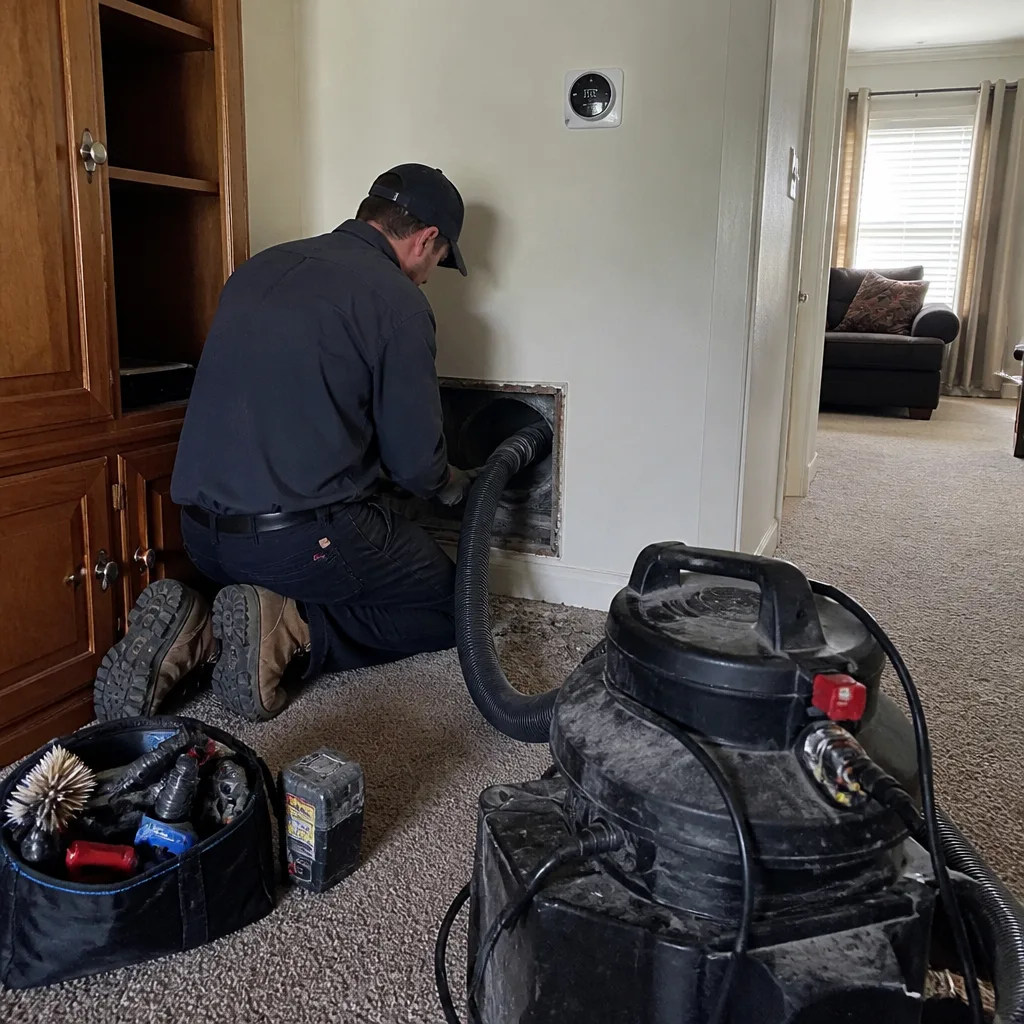 Before
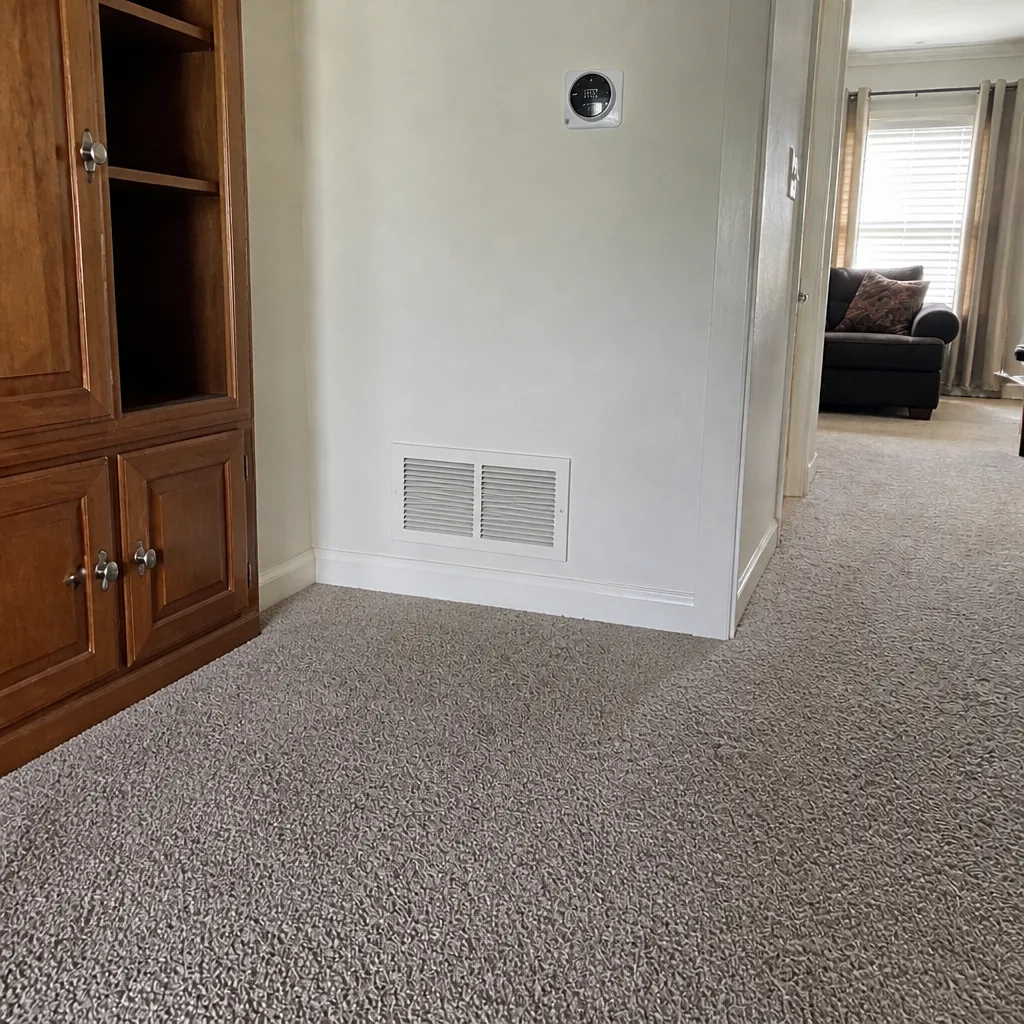 After
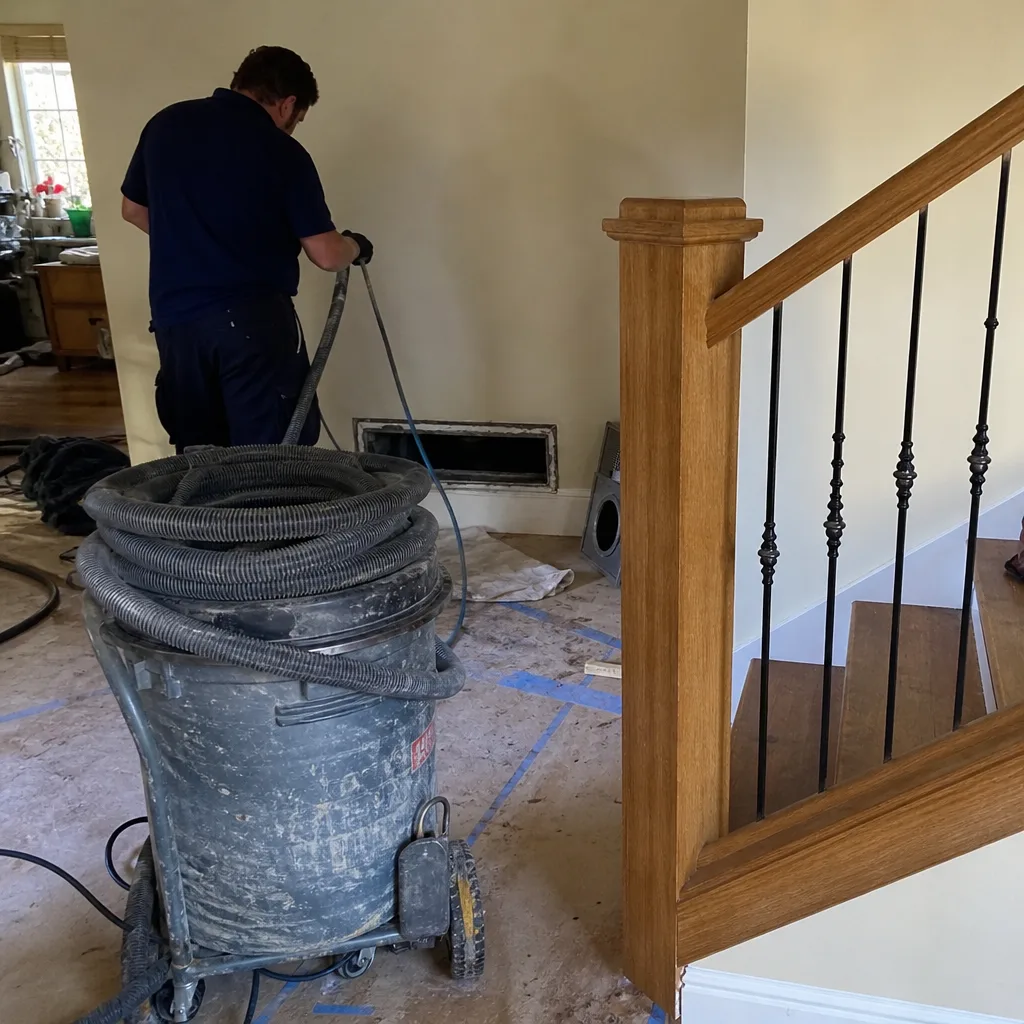 Before
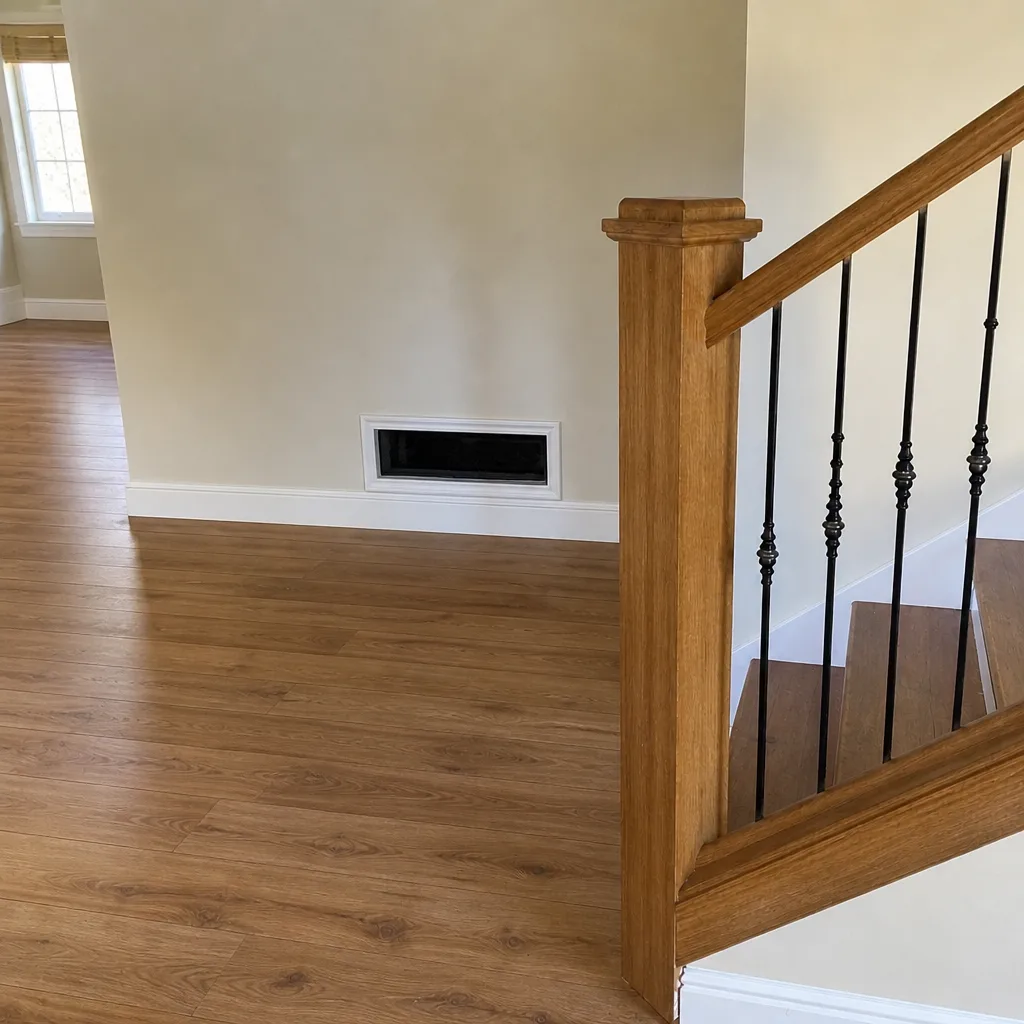 After
 Before
 After
When to Call a Professional
Call a professional when you notice uneven airflow between rooms, dust collecting unusually fast after cleaning, musty odors when the system runs, or visible damage to duct runs in the crawlspace or attic. Call when you’re buying a home with older ductwork and want to know what’s actually there. Call when you suspect a disconnected joint is pulling air from an unconditioned space. Call if you’re planning any duct repair and want to know whether a permit applies before work begins. And call if you want the work done properly the first time, with documented evidence of what was found and what was fixed. Steadfast Air Duct Cleaning offers free estimates in Portland. Call (877) 957-0767. We answer 24/7. Fast dispatch from 7am to 7pm, Sunday through Friday.
Frequently Asked Questions
No. Air duct cleaning itself does not require a permit in Portland or anywhere in Oregon, because it’s maintenance of an existing system rather than a modification of it. No permit, no inspection, no licensed mechanical contractor required to perform the cleaning. Call (877) 957-0767 for a free estimate, and we’ll explain exactly what the cleaning covers.
It depends on the scope. Replacing, adding, or reconfiguring ductwork is generally permitted mechanical work that requires a licensed mechanical contractor and a permit from Portland’s Bureau of Development Services. Reconnecting a joint to restore the original design may be treated as maintenance-level repair. The safest way to sort out which situation applies is to describe the scope to the city before work begins and get an answer in writing.
Cleaning is maintenance of an existing mechanical system. Repair is alteration of that system, and it falls under the Oregon Mechanical Specialty Code, which requires a licensed mechanical contractor and permits for work that changes the system. That’s the whole distinction, and it matters for licensing, permits, insurance, and resale. Cleaner ducts that haven’t been modified sit in one category. Ducts that have been patched, reconnected, or rerouted sit in another.
Look for repair work in the crawlspace or attic that has no matching documentation. Signs include duct sections that don’t match the rest of the system, mastic applied with no record of who did it, new flex runs added without a permit sticker, and any statement from a prior owner or contractor that “it was just a quick fix.” Call the Bureau of Development Services with the address and ask whether any mechanical permits were pulled. If the answer is no and there’s obvious repair work, ask a licensed mechanical contractor to look at it. Call (877) 957-0767 if you want a duct specialist to take a look at the system as part of a cleaning.
Permitted duct repair does. The city inspects the completed work against the permitted scope, and inspections typically happen after the work is finished and can require access to the crawlspace or attic where runs were installed. Duct cleaning is not inspected because cleaning isn’t permitted work. If a company tells you they’ll have your cleaning “inspected,” ask what’s being inspected and by whom.
Usually not. Homeowner’s policies generally cover sudden and accidental damage and generally exclude damage caused by faulty workmanship or work performed without required permits. If a claim traces back to unpermitted duct repair, the insurer may decline it. The fix is simple: verify permits and licenses before work begins, and keep the paperwork. The cost of a permit is tiny compared to the cost of a declined claim.
The Bottom Line
Duct cleaning doesn’t require a permit in Portland. Duct repair often does. Those two facts get blurred together constantly, and the blurring is where homeowners lose money and coverage. If a cleaning visit turns up damage, ask for scope, ask for pricing, ask who’s performing the repair, ask whether a permit applies, and ask for before-and-after photos of your own ducts. A company that answers all five clearly is a company that knows where cleaning ends and licensed mechanical work begins. Our technicians have up to 8 years of experience working through exactly these questions in Portland homes, and we’d rather you ask them upfront than find out later.
If you want a duct cleaning that respects that boundary, start with air duct cleaning from a company that names its equipment, documents its findings, and knows when to stop cleaning and call in the licensed work. We use Rotobrush and Nikro systems, not consumer vacuums, and we run Abatement Technologies air filtration on every job so dislodged dust gets captured rather than recirculated through your home. We also handle dryer vent cleaning, which addresses a lint-buildup fire risk the NFPA identifies as a leading cause of residential fires, and we can work alongside your existing Honeywell or Aprilaire air quality setup. We don’t just clean ducts; we identify what’s wrong and document what was done.
Call (877) 957-0767 for a free estimate. We answer 24/7. Fast dispatch from 7am to 7pm, Sunday through Friday. The written estimate sets the final price, and the documentation you receive shows exactly what was cleaned, what was repaired, and what was left alone.
Written by the team at Steadfast Air Duct Cleaning.