
Last updated November 15, 2026
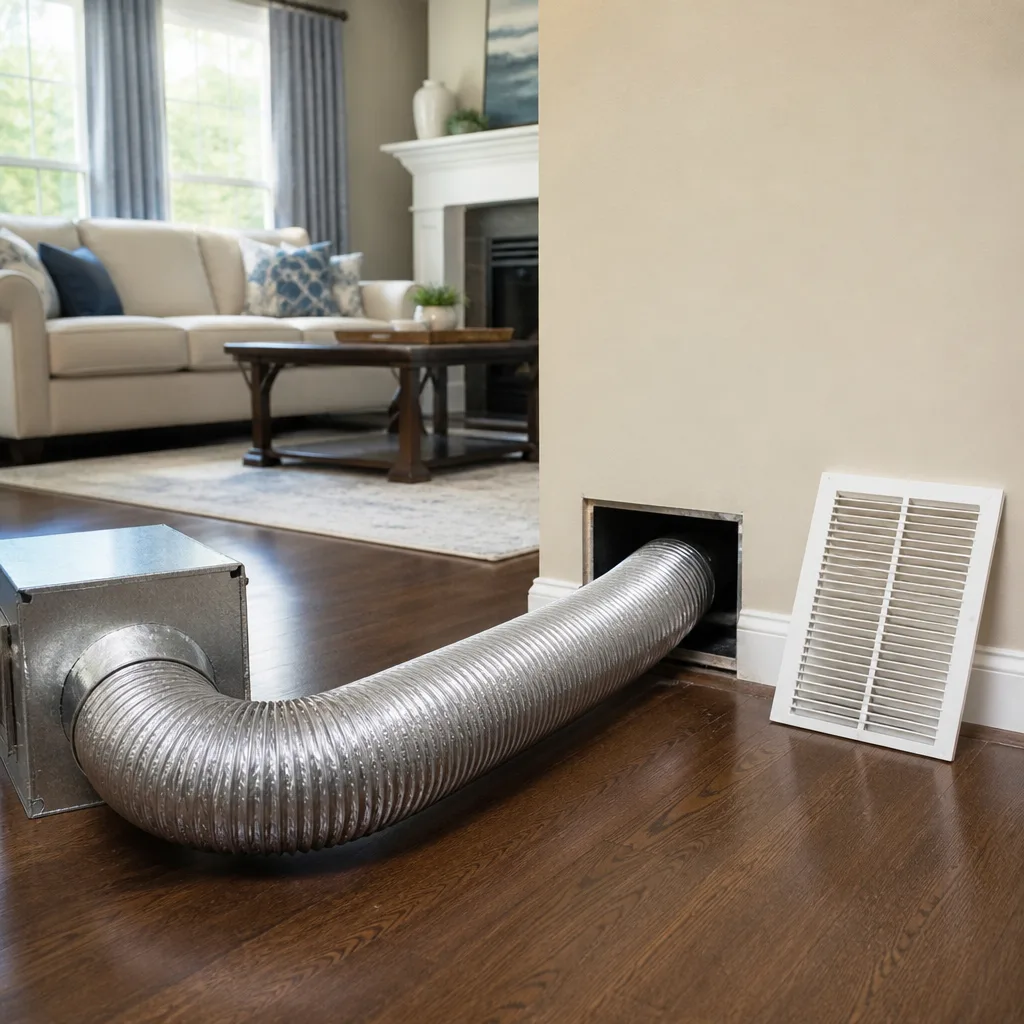 Whole-home duct cleaning
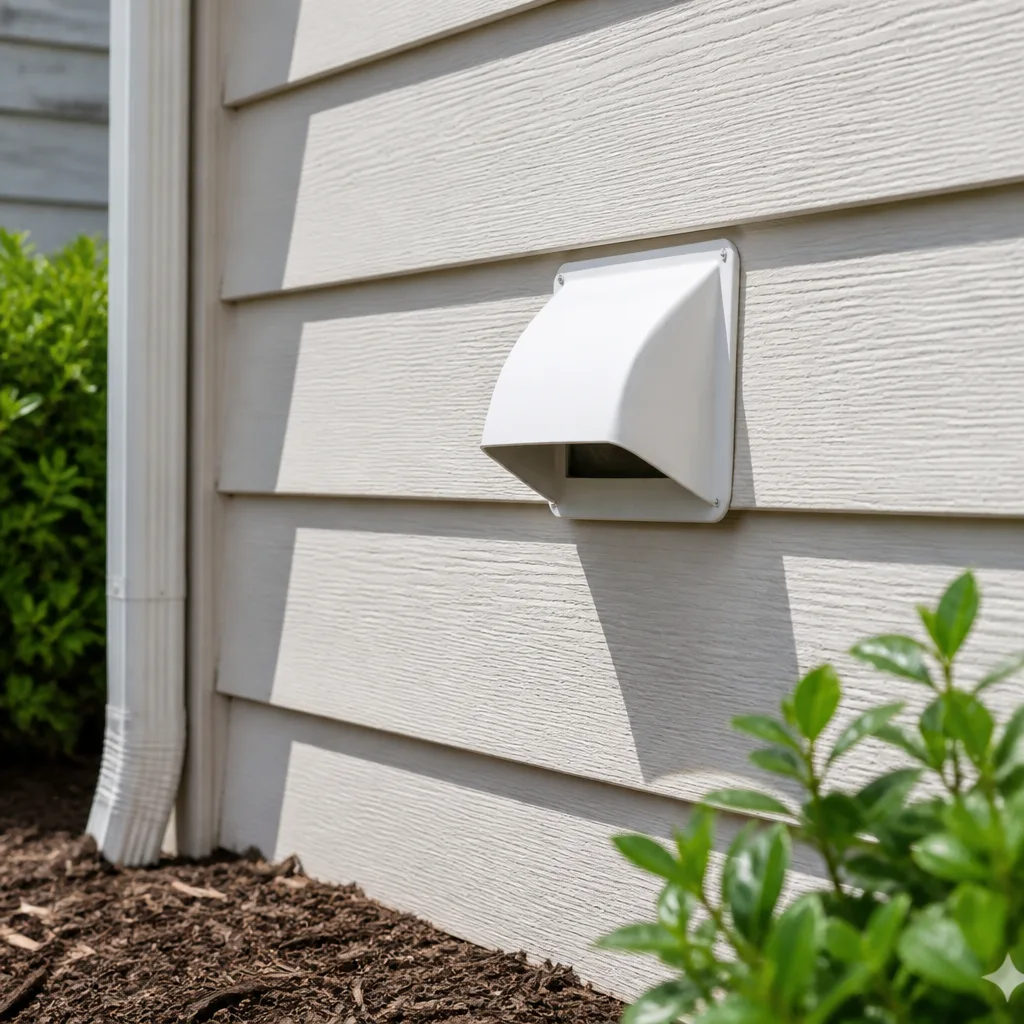 Dryer vent cleaning
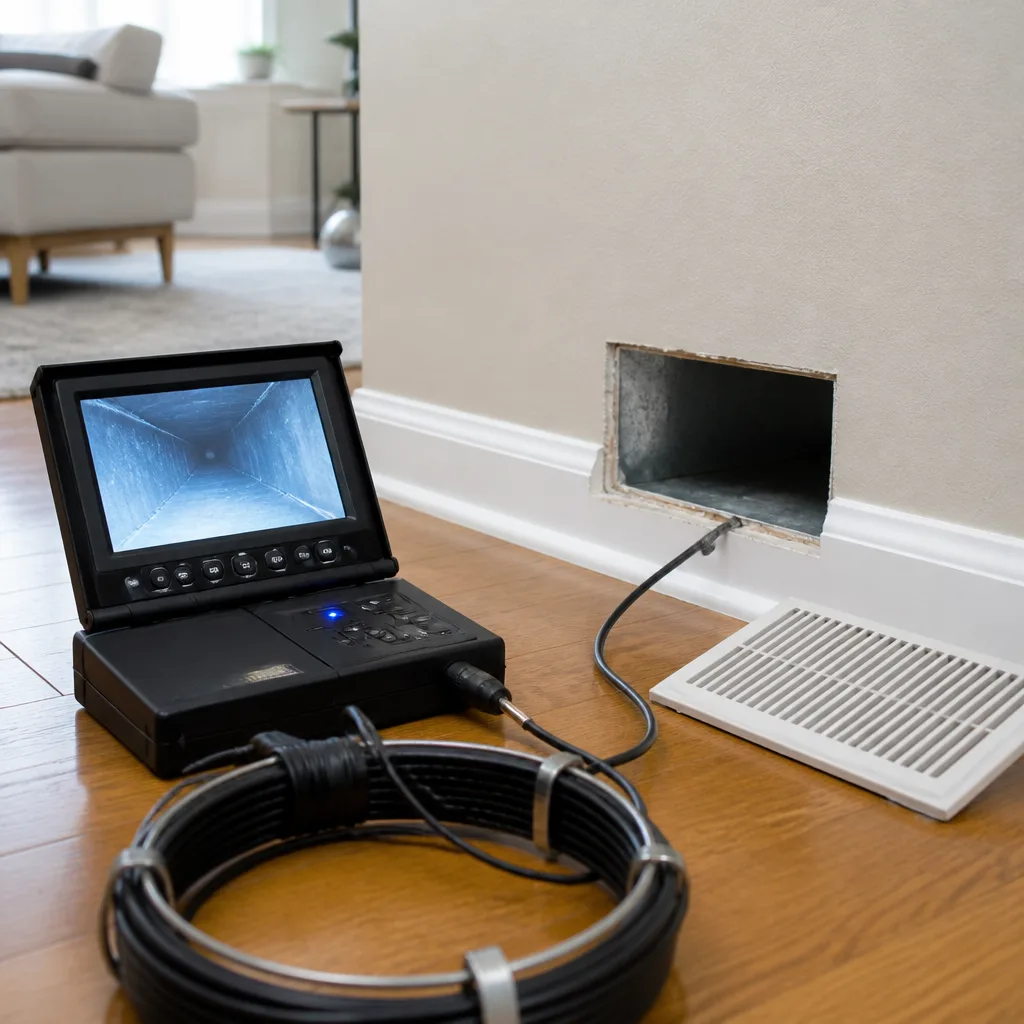 Camera inspection
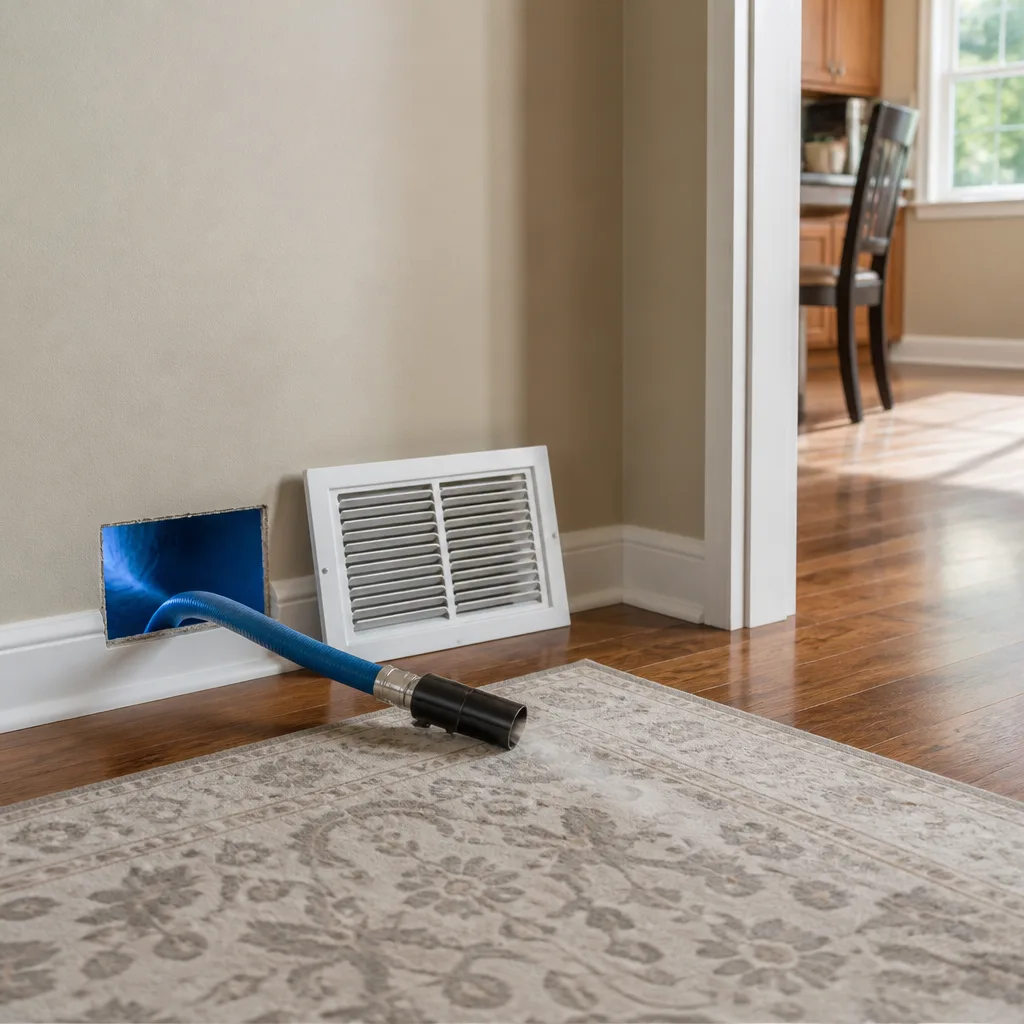 Sanitizing & deodorizing
Whole-system duct and dryer vent check with before-and-after photos - you see exactly what came out of your vents
That "$99 whole-house special" is a bait ad - the real number appears once they are in your hallway, or the "clean" is a shop-vac at the register. We photograph the inside of your ducts before and after instead.
Seasonal Air Duct Cleaning Care for Portland: Year-Round Homeowner’s Guide
Most homeowners in Portland schedule duct cleaning the same way they schedule an oil change: once a year, on a date that has nothing to do with what’s actually happening in the air. That habit creates a real problem. The heaviest contamination event in this region, wildfire smoke, lands between July and September. A January cleaning, booked because “it’s been a year,” happens months before the smoke arrives and months after the last pollen wave settles. You end up paying to reset a system right before it takes its biggest hit.
What follows is a seasonal framework built around how Portland’s air actually behaves: wet winters pushing moisture into crawlspace ducts, spring pollen loading return grilles, summer smoke testing every filter and seal, and fall construction dust finding its way into every open register. You’ll get a month-by-month calendar, the reasoning behind post-wildfire-season timing, and how to adjust frequency for a heat pump, a gas furnace, or a mini-split.
Quick Answer
For most Portland homes, the highest-value duct cleaning window is October through November, right after wildfire season ends and before the heating system runs hard. A second lighter service in early spring handles the pollen and winter moisture load. Rather than a fixed annual date, time your cleanings to these two events, and inspect filters and seals before each seasonal switch.
Styles & brands we work with
- Whole-home duct cleaning
- Dryer vent cleaning
- Camera inspection
- Sanitizing & deodorizing
Table of Contents
- The Portland Air Quality Calendar, Month by Month
- Why Post-Wildfire-Season Cleaning Is the Highest-ROI Timing
- Spring: What Oregon’s Wet Winters Leave Behind
- Summer Pre-Conditioning: Filters, Registers, and Seals
- Winter: Moisture, Closed Windows, and Stale Air
- Adjusting Frequency by System Type
- When Cleaning Isn’t Enough: Duct Repair as Part of the Cycle
- Common Mistakes to Avoid
The Portland Air Quality Calendar, Month by Month
Portland’s duct systems face a different stressor in nearly every month. Mapping those stressors to a calendar is the single most useful thing you can do as a homeowner, because it replaces a vague “once a year” rule with timing that reflects what’s actually entering your system.
Here’s how the year breaks down in our experience working on homes across the city, from older bungalows in Sellwood to newer construction out toward Gresham and Happy Valley:
- January – February: Windows stay closed, the furnace runs constantly, and the system recirculates the same air. Dust and debris that settled in fall get stirred and redistributed. Low indoor humidity means more airborne particulate.
- March – April: The wet season peaks. Crawlspace and unconditioned-space duct runs pick up moisture. Pollen season begins, and return grilles start collecting it.
- May – June: The transition period. Heating demand drops, cooling may begin, and this is the natural window for a pre-summer inspection of filters, registers, and duct seals.
- July – September: Wildfire smoke season. This is the single heaviest contamination window of the year for Portland. Smoke particulate enters through the HVAC system, window gaps, and any compromised duct joint.
- October – November: The recovery window. Smoke clears, the heating system comes back on, and the system carries everything accumulated over the summer into the living space.
- December: Closed-house season. Whatever is in the ducts stays in the ducts until spring.
That calendar is why a fixed annual cleaning date so often misses the mark. The event that matters most, smoke season, happens in the middle of the year, and the cleaning that responds to it has to come immediately after. For a deeper look at how we approach the work itself, see our air duct cleaning service.
Why Post-Wildfire-Season Cleaning Is the Highest-ROI Timing
If you clean your ducts only once in a given year, do it in October or November. That sounds like a small scheduling detail. In practice, it’s the difference between cleaning a system before its heaviest load and cleaning it after.
Portland’s wildfire smoke window runs roughly July through September. During that stretch, fine particulate works its way into the return side of the system, settles on duct surfaces, and collects on filters faster than at any other point in the year. Once the smoke clears, that material doesn’t leave on its own. When the heating season begins and the system starts moving air continuously again, it lifts that settled particulate and distributes it through living spaces exactly when windows are closed.
A cleaning in October or November removes the accumulated smoke-season load before the heating system begins recirculating it all winter. It’s also the point in the year when a technician can inspect the whole system under the most revealing conditions. That’s when we look for:
- Smoke residue on return-side duct surfaces and register grilles.
- Filter condition after a summer of heavy particulate loading.
- Seal integrity at joints, which matters more after a season of thermal cycling.
- Any evidence that smoke entered through compromised duct connections rather than through the normal return path.
Timing the cleaning to the end of smoke season also lets you bundle in filter replacement and register cleaning at the same visit, so the system goes into winter in a single, clean state. Steadfast Air Duct Cleaning uses Rotobrush and Nikro systems for the cleaning itself and Abatement Technologies air filtration to capture dislodged contaminants during the job, which matters most on heavy post-smoke jobs.
Spring: What Oregon’s Wet Winters Leave Behind
Before pollen season begins, there’s a moisture problem to inspect. Oregon’s wet winters push humidity into crawlspace duct runs and any ductwork in unconditioned space. That moisture is the reason spring inspections exist, and it’s the piece most homeowners skip because the ducts are out of sight.
You don’t need to open ductwork yourself to catch the early signs. What you can check is the visible layer: registers, return grilles, filters, and the areas where ducts connect to the living space.
- Check return grilles and registers for dust, discoloration, or any sign of moisture at the edges. A register that looks damp or shows staining is worth photographing and having inspected.
- Replace filters before the cooling season begins, not after. A filter loaded from winter’s closed-house season restricts airflow right when the system needs it most.
- Look at the duct runs you can see in the basement, crawlspace, or attic. Sagging flexible duct, visible gaps at joints, or condensation on the exterior of a duct all point to a moisture issue worth a professional look.
- Note any musty smell that appears when the system first runs in spring. That’s the signal that moisture has reached a surface inside the system.
Once pollen season starts, the return grilles begin collecting it, and the system starts moving it into the home. Cleaning before that wave, or at its tail, gives you the best result for the money. If you’re also managing a whole-home air quality system, this is the point in the year where knowing the difference between a Honeywell and Aprilaire control setup helps, because the filter schedule and the duct cleaning schedule need to align.
For context on how this fits into a broader program, our Portland service overview covers what a full seasonal inspection includes.
Summer Pre-Conditioning: Filters, Registers, and Seals
Before the system runs at peak demand and before smoke season starts, spend an hour on the visible parts of the system. This is the check that costs the least and catches the most.
Filter and Register Check
- Replace the filter at the start of cooling season, and know your filter’s MERV rating. A filter that’s too restrictive for your system can hurt airflow as much as a dirty one.
- Vacuum return grilles with a brush attachment. Grilles collect dust on the living-space side first, and that’s the easiest load to remove.
- Check that every register is open and unobstructed. Closed registers on a central system can increase static pressure and stress the blower.
Seal and Joint Check
Smoke season makes duct seal integrity a priority. Every gap at a joint or connection is an entry point, and the return side of the system is where those gaps matter most because it’s under negative pressure and pulls air in. Look for disconnected flexible duct, torn insulation, and joints that have separated. If you find any, get them repaired before July, not after.
Timing the Summer Cleaning
If your system carries a heavy load from spring pollen, a late-spring or early-summer cleaning resets the system before the smoke window opens. The alternative, cleaning mid-smoke-season, is usually wasted money. You’re cleaning a system that’s actively pulling in more particulate. Wait until the smoke clears, then clean.
Winter: Moisture, Closed Windows, and Stale Air
Portland’s winter creates a particular problem: the house closes up, the heating system runs continuously, and the air inside recirculates for months. Whatever is in the ducts gets cycled through the living space repeatedly, and there’s no open-window exchange to dilute it.
The winter task list is about protecting the clean state you established in fall:
- Stay on the filter schedule. Winter is when filters load fastest on a continuously running system. Check monthly.
- Watch for moisture at registers, especially on duct runs that pass through crawlspace or unconditioned space. Cold duct surfaces plus indoor humidity can produce condensation.
- Keep return grilles clear of furniture, rugs, and storage. A blocked return in winter stresses the system and reduces the effectiveness of the whole distribution.
- Note any change in smell or dust when the system runs. Winter is when a moisture problem inside the system becomes obvious, because the closed-house environment concentrates it.
If you’re running a whole-home humidifier or air quality control, winter is when those systems and the duct system interact most. Familiarity with Honeywell and Aprilaire equipment helps a technician read the whole picture: a humidity problem that looks like a duct problem may actually be a control or setpoint issue.
Adjusting Frequency by System Type
There’s no single right cleaning interval, because the right interval depends on what kind of system is moving the air. Here’s how we’d adjust the seasonal framework for the three system types we see most in Portland homes.
Heat Pump Systems
Heat pumps run year-round, which means the duct system never gets a rest. More operating hours means faster accumulation of dust and particulate, and the seasonal cycle above becomes a true twice-a-year schedule: a spring check and a post-smoke-season cleaning in fall. Heat pump systems also move a large volume of air, so seal integrity matters more here than on most systems.
Gas Furnace Systems
Gas furnaces have the most defined on/off season, which makes the seasonal framework easiest to follow. The post-smoke-season cleaning in October or November is the anchor, with a spring check for moisture in any crawlspace duct runs. A furnace that sits idle through summer accumulates settled dust that the first heating cycle lifts into the house.
Mini-Split Systems
Ductless mini-splits don’t have ducts, but they have indoor heads with filters, coils, and blowers that collect debris and need cleaning. If a home has both a ducted system and mini-splits, the seasonal calendar runs on two tracks: the mini-split heads get cleaned before summer and before winter, and the ducted system follows the post-smoke-season schedule.
What we’ve seen across Portland homes is that system type changes the frequency, but the seasonal logic stays the same. Clean after the heaviest contamination event, inspect before the heaviest demand.
When Cleaning Isn’t Enough: Duct Repair as Part of the Cycle
Cleaning a compromised duct system is a partial job. Torn flexible duct, separated joints, crushed runs, and gaps at connections all let contaminants in and conditioned air out, and no amount of vacuuming fixes a leak. That’s why we offer air duct repair as a standalone service alongside cleaning.
A few signs that repair should be part of the seasonal plan:
- Visible gaps or separation at duct joints in the attic, crawlspace, or basement.
- Crushed or kinked flexible duct runs that restrict airflow.
- Duct insulation that’s torn, missing, or detached.
- A noticeable difference in airflow between rooms that doesn’t respond to filter changes.
- Musty smells that return after a cleaning.
Building duct repair into the seasonal cycle makes sense. The post-smoke-season inspection is the natural point to catch seal failures, and fixing them before winter means the heating season runs on a tight system. For the full picture of what Steadfast Air Duct Cleaning does, start with our main page at Steadfast Air Duct Cleaning.
Dryer Vents: The Seasonal Check Most Homeowners Skip
Air ducts get the attention, but the dryer vent has its own seasonal logic and a more serious risk profile. The NFPA has cited lint buildup in dryer vents as a leading cause of residential fires, and Portland’s wet winters mean dryers run more than anywhere else in the country.
Build the dryer vent into the same calendar. Before each heating season, check the vent for lint buildup and confirm the exterior hood opens and closes cleanly. A damp winter, a heavily used dryer, and a clogged vent are exactly the combination the fire data warns about. Our dryer vent cleaning service exists because this check is the one that gets skipped and the one that matters most for safety.
Common Mistakes to Avoid
- Cleaning on a fixed annual date. A January cleaning misses both the post-smoke-season window and the spring pollen wave. Match the cleaning to the events, not the calendar.
- Cleaning mid-smoke-season. Cleaning in August, while smoke is still actively entering the system, wastes the money. Wait until the smoke clears, then clean.
- Skipping the crawlspace inspection. Portland’s wet winters hit crawlspace duct runs hardest, and moisture there is invisible from the living space. Inspect before pollen season.
- Treating the dryer vent as an afterthought. The NFPA’s fire-risk data applies in Portland as much as anywhere. Add the dryer vent to the seasonal list.
- Cleaning without inspecting for leaks. A clean system with a torn duct still pulls in contaminated air. Repair belongs in the same conversation as cleaning.
- Ignoring the air quality system. Homes with Honeywell or Aprilaire controls have a filter and humidity schedule that needs to align with the duct cleaning schedule. Don’t run them out of sync.
- Choosing a quote without knowing the equipment. Consumer-grade vacuums don’t do the job. Ask what equipment will be used and whether filtration is deployed in the home during the clean.
See the difference
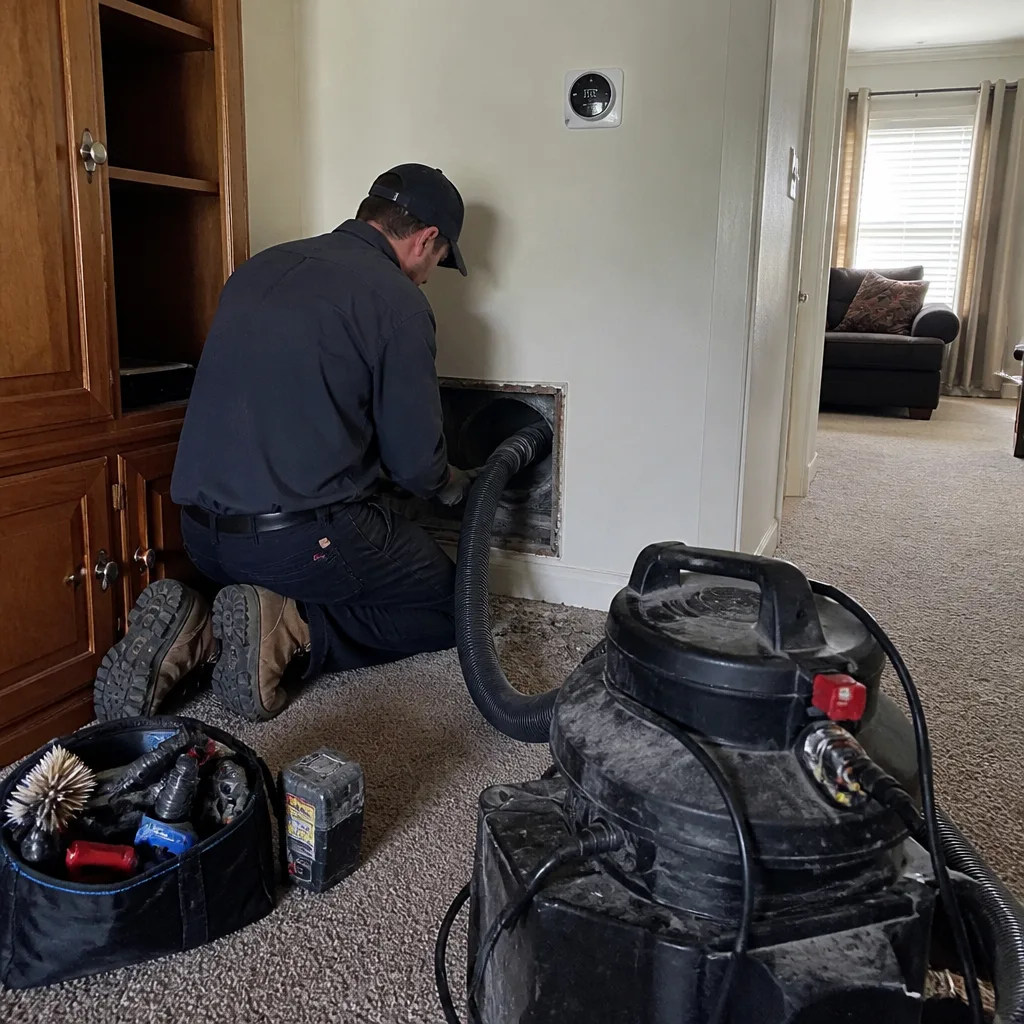 Before
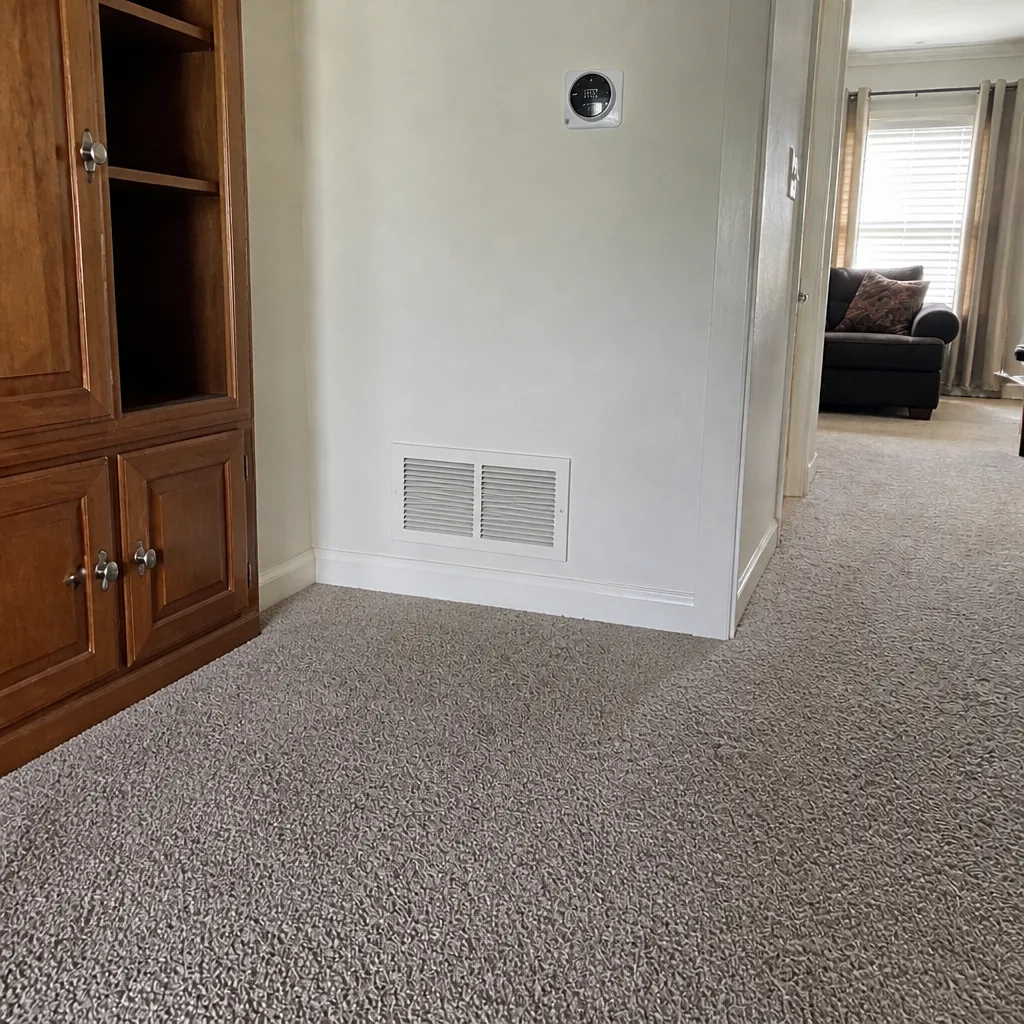 After
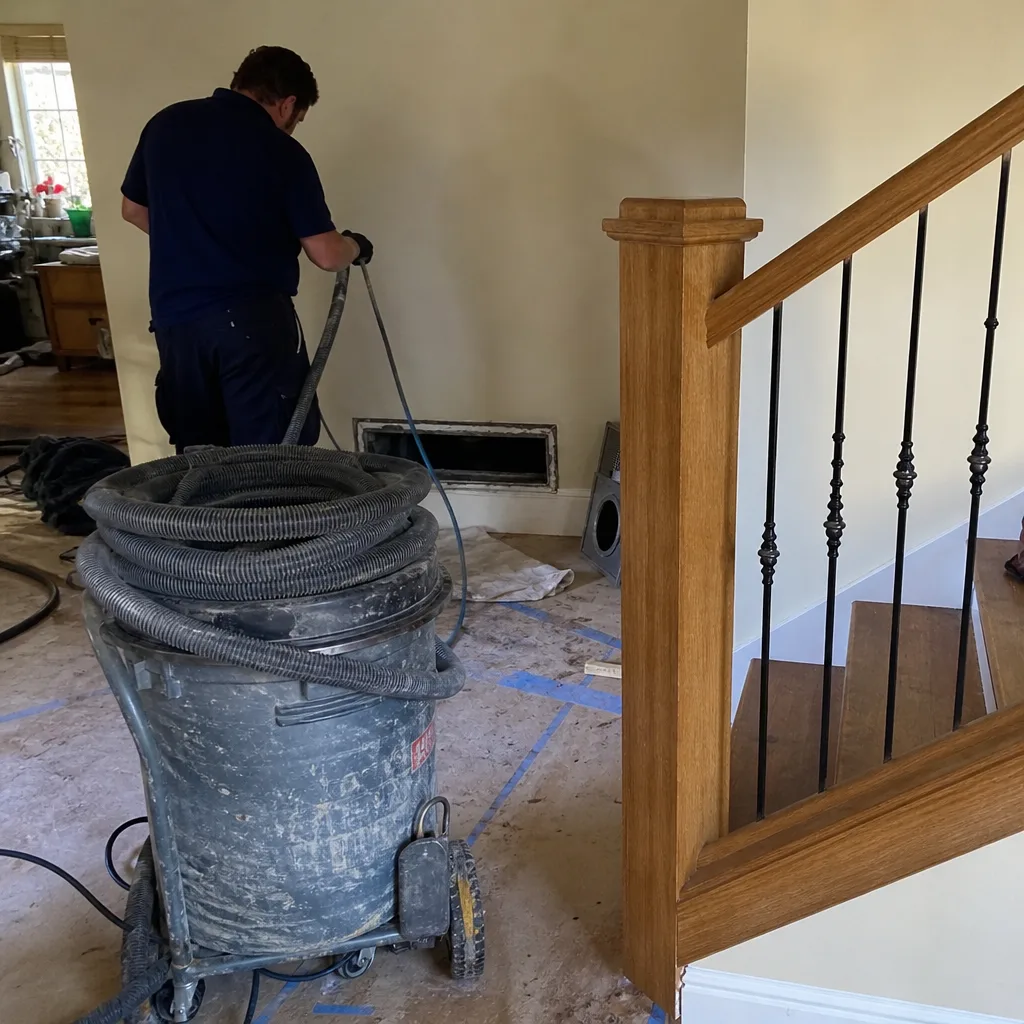 Before
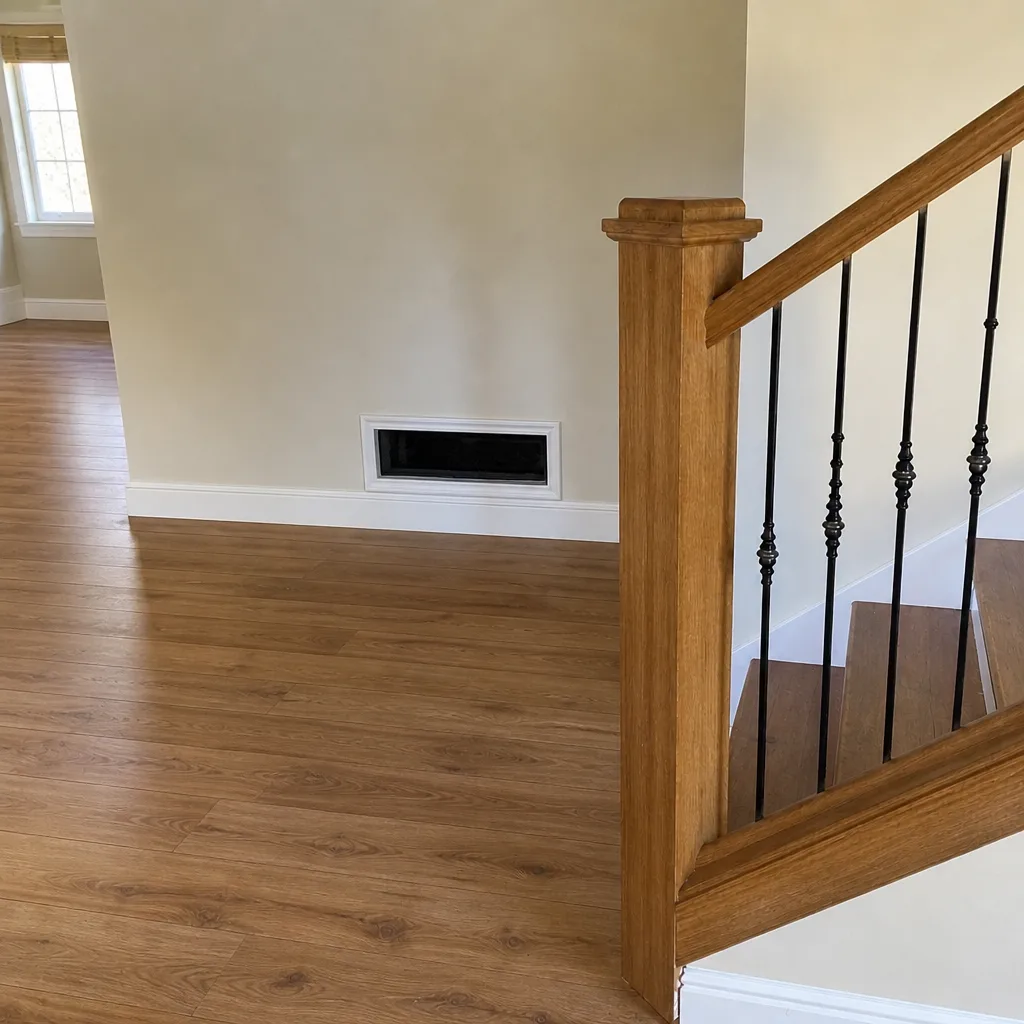 After
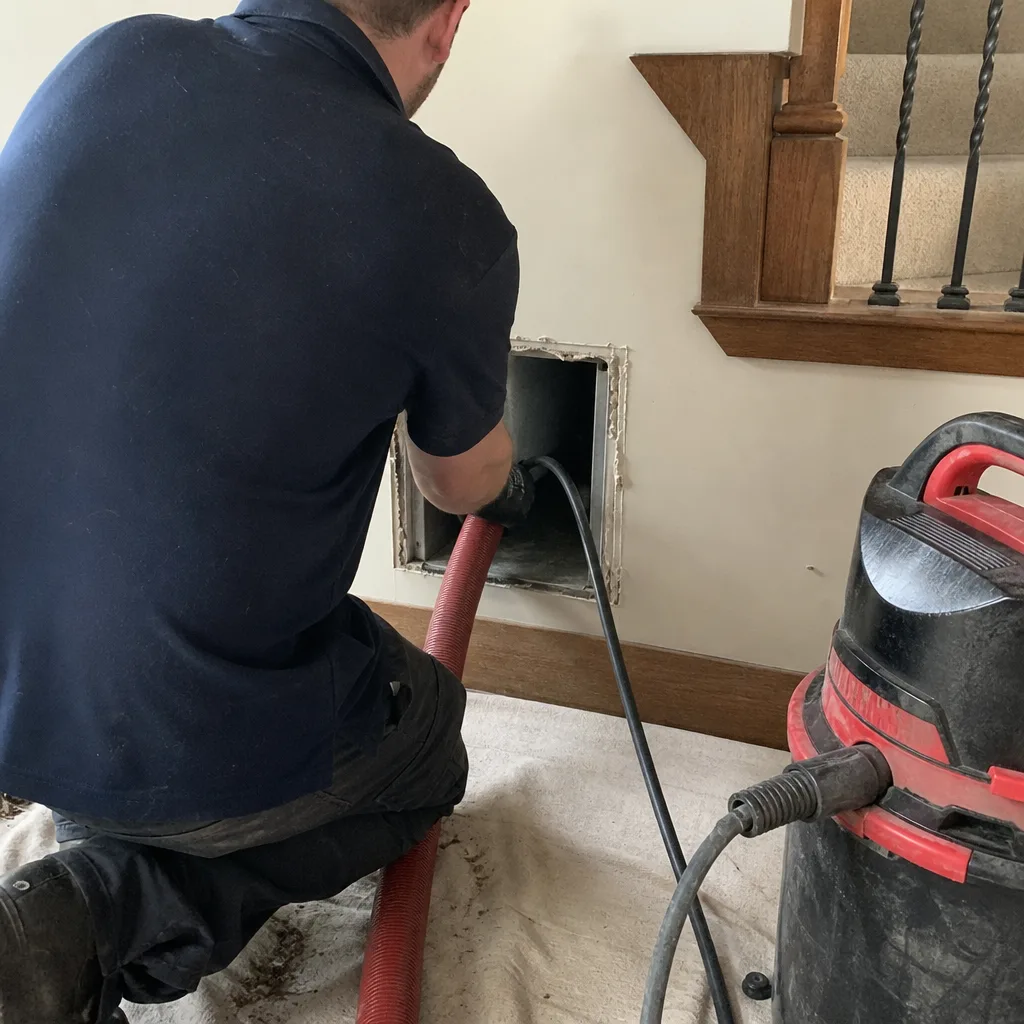 Before
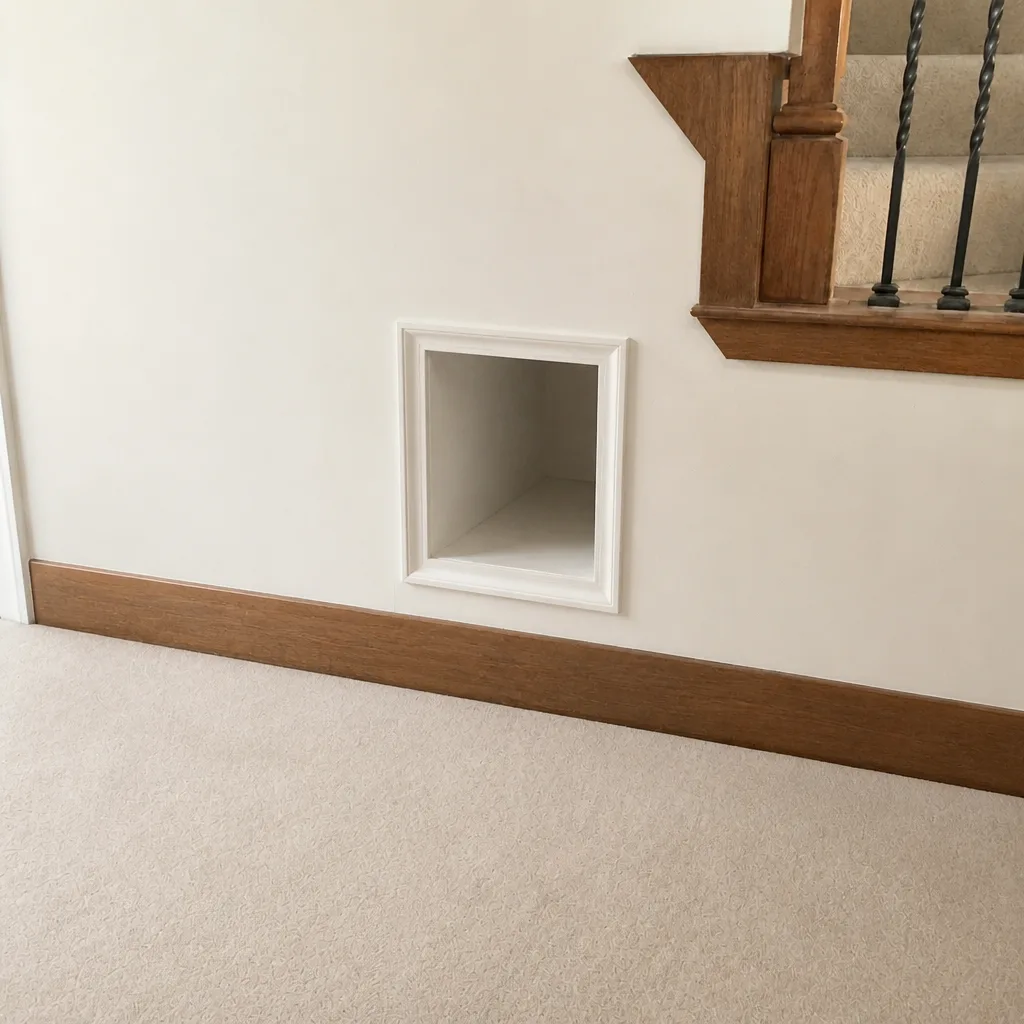 After
When to Call a Professional
Call a professional when you can see a problem: visible dust buildup on return grilles, a musty smell that returns after filter changes, gaps at duct joints in the attic or crawlspace, or airflow differences between rooms that won’t resolve. Call after smoke season ends, if you want the best-timed cleaning of the year. Call before summer starts, if you’re managing allergies or a health concern and want the system inspected and reset ahead of peak demand. Call if your dryer vent hasn’t been checked in a while, because the fire risk is the one piece of this guide that’s about safety rather than efficiency.
Steadfast Air Duct Cleaning offers free estimates in Portland. We use Rotobrush and Nikro equipment, deploy Abatement Technologies filtration on every job, and offer air duct repair as a standalone service. Call (877) 957-0767. We answer 24/7. Fast dispatch from 7am to 7pm, Sunday through Friday.
Frequently Asked Questions
Twice a year is the right rhythm for most Portland homes: a cleaning in October or November right after wildfire season, and a lighter inspection and cleaning in early spring after pollen season and the wet season. Homes with heat pumps, which run year-round, benefit from the full twice-a-year schedule. Homes with gas furnaces and a defined heating season can sometimes stretch to once a year, anchored to the post-smoke-season window. Call (877) 957-0767 for an exact recommendation based on your system.
Fall, specifically October through November, comes immediately after Portland’s heaviest contamination event of the year, wildfire smoke season. Cleaning then removes the accumulated smoke load before the heating system starts recirculating it all winter. A spring-only schedule cleans before the heavy load arrives, not after. Call (877) 957-0767 for an exact quote; estimates are free.
Not necessarily every year, but you should inspect after every smoke season. Homes that run the system heavily during smoke, homes with older or leaky ductwork, and households with allergy or respiratory concerns usually warrant a cleaning. A light smoke year may only need filters and registers. Call (877) 957-0767 for an exact quote; estimates are free.
Before cooling season, check three things: filters, registers, and duct seals. Replace the filter at the start of cooling season, vacuum return grilles, confirm every register is open and unobstructed, and look for gaps or separated joints at any duct run you can see. Seals matter most before smoke season, because every gap is an entry point. Call (877) 957-0767 for an exact quote; estimates are free.
A heat pump runs year-round, which means the duct system never rests, so a heat pump home generally needs the full seasonal schedule: a spring inspection and a post-smoke-season cleaning in fall. Heat pumps also move large air volumes, which makes duct seal integrity more important than on a furnace-only system. Call (877) 957-0767 for an exact quote; estimates are free.
The dryer vent follows its own schedule, but it belongs on the same seasonal checklist. Before each heating season, check for lint buildup and confirm the exterior hood opens and closes cleanly. The NFPA has cited dryer vent lint as a leading cause of residential fires, and Portland’s wet winters mean dryers run more than average. Call (877) 957-0767 for an exact quote; estimates are free.
The Bottom Line
Portland’s seasons each bring their own load to the duct system: wet winters push moisture into crawlspace runs, spring brings pollen, summer brings wildfire smoke, and fall brings construction dust. A fixed annual cleaning date can’t respond to any of those. Time the cleaning to the events instead. October or November, right after smoke season, is the highest-value window for most Portland homes. Early spring handles the moisture and pollen load. Add an annual dryer vent check for the fire-safety angle, and build duct repair into the cycle when you find leaks. Clean after the heaviest contamination event, inspect before the heaviest demand. That’s the whole framework.
Use our calendar as the backbone of your yearly plan, whether you schedule the work with us or not. And when you’re ready, call (877) 957-0767 for a free estimate. We’ll tell you what your system needs, what equipment we’ll use, and what the fix will cost before any work starts. One flat price per system, agreed in writing, with before-and-after photos of your own ducts. We answer 24/7. Fast dispatch from 7am to 7pm, Sunday through Friday.
Written by the team at Steadfast Air Duct Cleaning.