
Last updated November 15, 2026
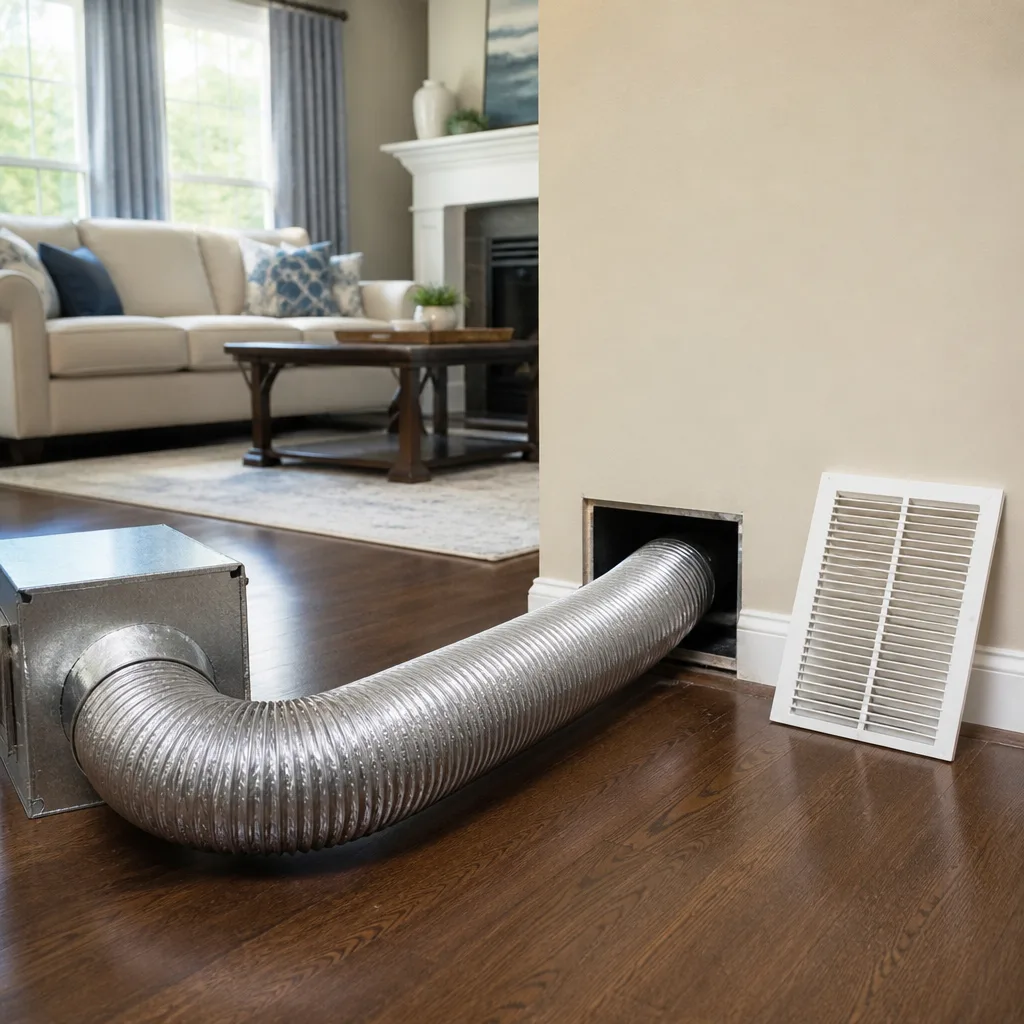 Whole-home duct cleaning
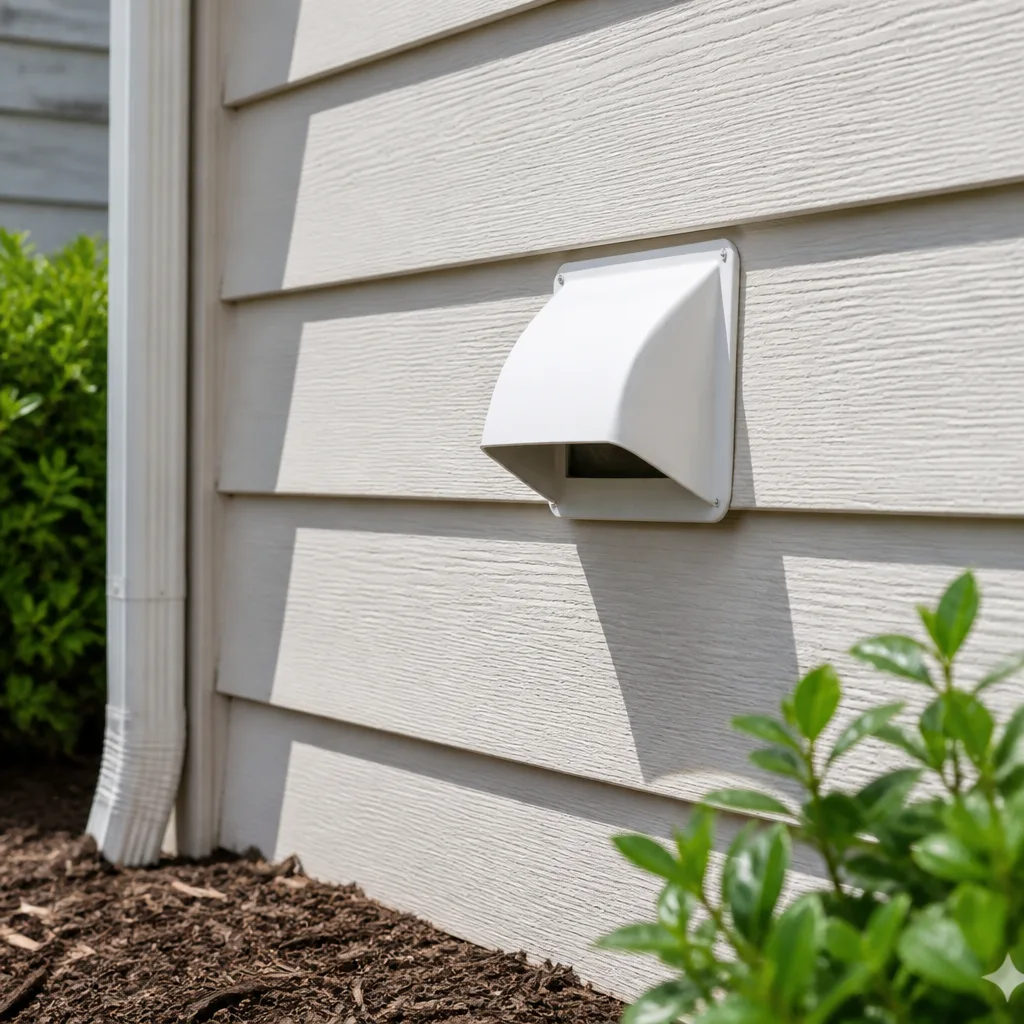 Dryer vent cleaning
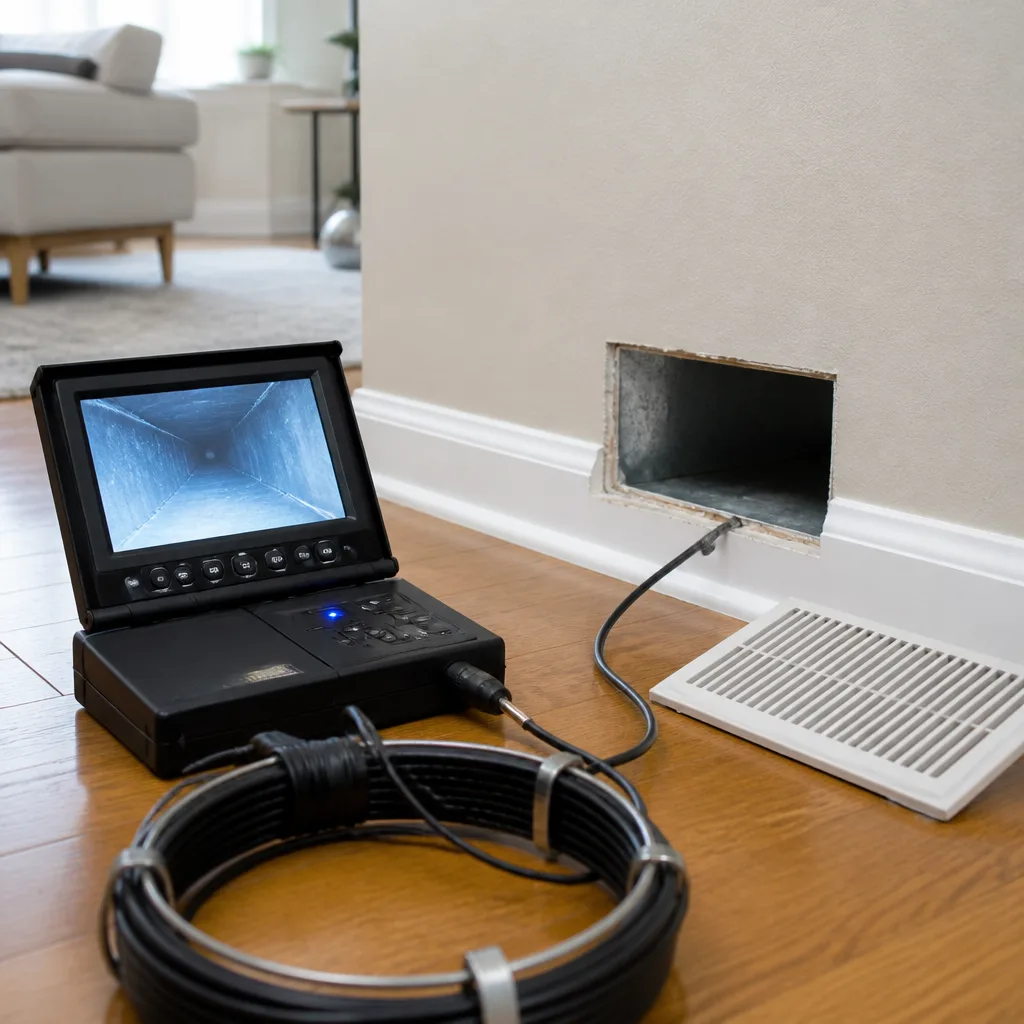 Camera inspection
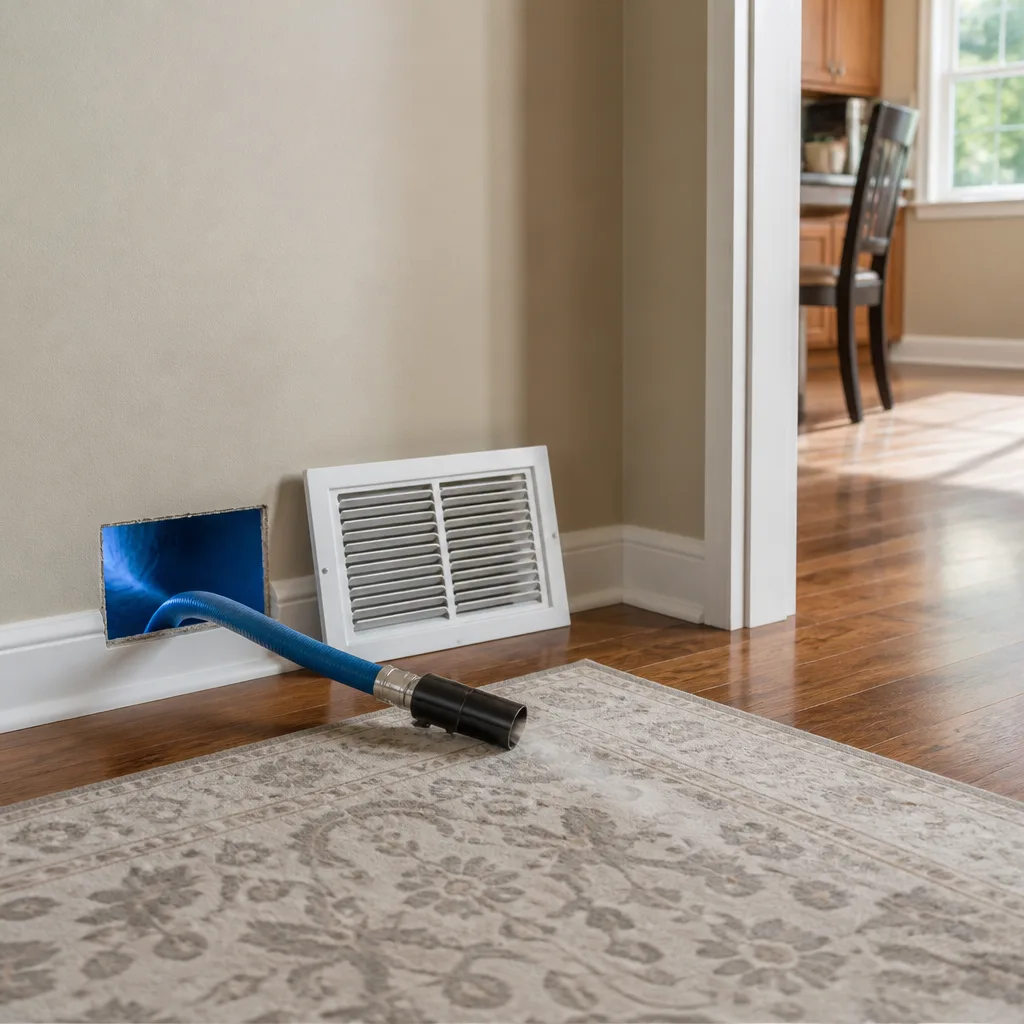 Sanitizing & deodorizing
Whole-system duct and dryer vent check with before-and-after photos - you see exactly what came out of your vents
That "$99 whole-house special" is a bait ad - the real number appears once they are in your hallway, or the "clean" is a shop-vac at the register. We photograph the inside of your ducts before and after instead.
Air Duct Cleaning Cost Breakdown: The Portland Homeowner’s Reference for 2026
Two quotes for the same house can land $500 apart and both be honest – or one can be a bait price that doubles on the driveway. The difference isn’t greed. It’s scope. A $299 special usually means eight vents, a shop vac, and a technician who’s gone in an hour. An $850 job can mean twenty-two vents, a truck-mounted negative-pressure unit pulling the whole system into one capture point, and a Rotobrush pass through every main trunk. This guide maps every variable that moves a Portland duct cleaning quote so you can read any estimate in front of you, line by line, and know exactly what you’re buying.
Quick Answer
Air duct cleaning in Portland typically costs $400 to $900 for a whole-house system, with simple single-story homes on the lower end and larger or multi-level homes with difficult access on the higher end. Per-vent pricing ($20 to $40 per vent) is the most common model, but whole-system flat pricing protects homeowners better because it removes the incentive to add vents mid-job. Anything under $200 is almost always a partial clean or a lead-in price, and anything over $1,200 should come with a detailed written scope explaining why.
Styles & brands we work with
- Whole-home duct cleaning
- Dryer vent cleaning
- Camera inspection
- Sanitizing & deodorizing
Table of Contents
- Cost Per Vent vs. Whole-System Pricing: Which Protects You?
- What a Legitimate Portland Duct Cleaning Quote Should Include
- How Duct Type and Access Difficulty Change the Price
- Estimating Your Own Job Before You Call
- Add-Ons Worth Paying For vs. Upsells That Rarely Justify the Cost
- Why Some Portland Quotes Are $199 and Others Are $900
- How to Verify the Work Was Actually Done
- When Cleaning Isn’t the Answer: Repair vs. Clean
Cost Per Vent vs. Whole-System Pricing: Which Protects You?
Whole-system flat pricing protects the homeowner because the price is agreed before work starts and doesn’t change if the technician finds more vents than expected. Per-vent pricing is more common and can be fair, but it carries a structural conflict: the person counting your vents benefits from finding more of them. In older Portland homes – especially the bungalows and four-squares through Sellwood, Woodstock, and Beaumont-Wilshire – vent counts are inconsistent and sometimes hard to verify, which makes per-vent pricing a poor fit for the housing stock.
Here’s how the two models actually work in practice:
Per-Vent Pricing
- Typical range: $20 to $40 per vent, sometimes higher in tight-access homes
- Twenty-two vents at $30 each = $660
- Risk: mid-job recount, “we found three more” additions, or a low per-vent rate that excludes trunk lines
- Best for: simple ranchers with a clearly countable vent inventory
Whole-System Flat Pricing
- Typical range: $400 to $900 for a full system, agreed before any tool comes off the truck
- Includes trunks, mains, branches, and registers as a single scope
- Protects you against the recount problem entirely
- Best for: any home over 1,500 square feet, multi-level homes, or homes with attic or crawlspace runs
We price per system, not per vent, for this exact reason. A written estimate that names the scope, the vent count as verified, and the equipment to be used is a document you can hold the contractor to. A per-vent price with no written scope is an invitation to renegotiate on the property. When you look at air duct cleaning quotes, ask directly: “Is this a whole-system price or per vent, and does it include the trunk lines?” That one question filters most of the market.
What a Legitimate Portland Duct Cleaning Quote Should Include
A legitimate quote names four phases: equipment setup, agitation, vacuum extraction, and post-job inspection. If any of those four are missing from the written estimate, the price is not comparing to a full-service competitor’s price. Here’s what each phase means and what you should expect to see in writing.
1. Equipment Setup and Containment
The crew arrives, connects a negative-pressure vacuum to the main trunk, and seals registers so the system is under constant suction during the entire job. Look for a truck-mounted or trailer-mounted vacuum rated for whole-house work, plus containment filtration. We run Abatement Technologies air filtration on every job so that dislodged dust is captured at the source instead of recirculating into your living room. A quote that doesn’t mention containment is a quote that hasn’t thought about where the dust goes.
2. Agitation
Suction alone only removes what’s already loose. Agitation – the mechanical loosening of debris off duct walls – is where real cleaning happens. This is the step consumer shop vacs and cheap “blow-and-go” services skip. Look for branded agitation equipment in the quote: Rotobrush or Nikro wands are the standards for residential work, and the specific tool matters because each duct type responds differently.
3. Vacuum Extraction
With agitation done, the negative-pressure vacuum pulls the loosened debris out of the system and into the capture unit. On a proper job, this runs continuously during agitation – not as a separate step afterward. The number of passes matters, especially on main trunk lines, which collect the most debris and need the most attention.
4. Post-Job Inspection
Before the crew leaves, they should walk you through what was found and what was removed. Before-and-after photos of your own system – not stock images – are the standard here. Ask for them at the estimate stage. A crew that can’t show you pictures of your own ducts hasn’t given you proof of work.
How Duct Type and Access Difficulty Change the Price
Duct material and access together account for most of the labor variance between two quotes on similar-sized Portland homes. A house with clean attic access and rigid metal ducts is not the same job as a 1920s home with fiberboard runs buried behind finished ceilings, even if the vent counts match. Here’s how each variable affects price.
Duct Material
- Rigid metal (galvanized): Easiest to clean, holds agitation well, most durable under repeated cleaning. Standard pricing.
- Flexible (flex duct): Common in retrofits and additions. The ridges trap debris and require softer agitation to avoid damage. Moderate price impact.
- Fiberboard: Found in some older Portland homes. Brittle, easily damaged, and sometimes better replaced than cleaned – which is where duct repair becomes a genuine recommendation rather than an upsell.
Access Difficulty
- Attic or crawlspace access with clear runs: Standard labor time.
- Finished ceilings with limited register access: Adds 30 to 90 minutes as technicians remove and reseat registers carefully.
- Crawlspace systems in older homes: Portland has a lot of these – low clearance, moist conditions, and duct runs that require additional setup time.
- Multi-level homes with multiple trunks: Each trunk needs its own agitation and extraction pass.
The best way to get an accurate cost estimate before you call is to note your duct material (visible at the register opening), your access points (attic, crawlspace, or neither), and your vent count. Bring those three facts to the call. Any contractor who prices sight-unseen without asking them is quoting a guess, not a job.
Estimating Your Own Job Before You Call
You can rough out your own cost range in about five minutes using three facts: square footage, vent count, and system age. It won’t match a written estimate exactly, but it will tell you whether the number you’re quoted is in the right ballpark before you ever pick up the phone.
Step-by-Step Estimate Framework
- Count your registers. Walk every room and count floor and ceiling registers. Include any in hallways, basements, and additions. Write the total down.
- Measure square footage. Most county records list this, or you can measure room by room. This drives duct run length.
- Note the home’s approximate age. Homes from the 1940s through the 1970s often have fiberboard or early flex runs; homes from the 1980s onward are more likely to be rigid or modern flex.
- Check your access. Open the attic hatch and crawlspace door. If you can see clear duct runs, you have standard access. If you can’t, expect the higher end of the range.
- Multiply. Rough framework: 8 to 14 registers and 1,200 to 1,800 square feet typically lands in the $400 to $600 range. 15 to 22 registers and 1,800 to 2,800 square feet typically lands in the $600 to $900 range. More than 22 registers, or tricky access, lands higher.
- Add for repair. If ducts are torn, disconnected, or crushed, cleaning alone won’t fix the system. Ask for a repair assessment alongside the cleaning quote.
Have that framework ready when you call, and you’ll get a firmer number in fewer phone calls. It also makes it obvious when someone throws out a teaser price that couldn’t possibly cover the work described.
Add-Ons Worth Paying For vs. Upsells That Rarely Justify the Cost
Some add-ons are genuinely part of a complete job. Others are margin builders. The difference usually comes down to whether the add-on addresses a real problem in your specific system or is offered as a blanket “while we’re here” upsell. Here’s how we sort them.
Add-Ons Worth Paying For
- Dryer vent cleaning: Lint buildup is a documented residential fire risk – the NFPA identifies clogged dryer vents as a leading cause of home fires. Most duct cleaners treat this as an afterthought. Dryer vent cleaning should be priced and scheduled as a standalone service, not a $40 add-on at the end of a duct job.
- Air duct repair: If the inspection finds disconnected joints, crushed flex runs, or torn fiberboard, sealing and repairing those gaps is not optional – it’s the difference between a cleaned system and a system that leaks most of its air into a crawlspace. We offer air duct repair as a standalone service for exactly this reason.
- Mold treatment when there’s actual evidence: Visible growth near registers, musty odor after cleaning, or moisture in the duct system justifies treatment. A blanket “sanitizing” add-on with no evidence of a problem is not worth the money.
Upsells That Rarely Justify the Cost
- Generic “UV treatment” without a diagnosis: UV lamps placed at the air handler have a legitimate role in some systems, but sold as a blanket add-on they do little.
- “Sealing” with no inspection: Aeroseal-style sealing works on certain systems. Offered as a package without inspecting the ducts first, it’s just a line item.
- Fragrance or “deodorizing” sprays: These mask problems instead of fixing them. If there’s an odor, find the source.
If you have a Honeywell or Aprilaire whole-home air quality system, duct work and air quality work should be discussed together – not because every home needs both, but because a technician familiar with those systems can tell you whether your ducts are the limit on the air quality setup you’ve already invested in.
Why Some Portland Quotes Are $199 and Others Are $900
The $199 quote and the $900 quote are usually not competing for the same job, even when they arrive in the same inbox for the same house. They describe different scopes, different equipment, and different expectations of what “cleaning” means. Sorting out which is which takes about four questions.
What the $199 Quote Actually Covers
- Usually per-vent for a limited number of vents – often 8 or 10
- Consumer-grade or mid-grade portable vacuum
- Often suction-only, no agitation on trunk lines
- “Sanitizing mist” sprayed at registers as a substitute for cleaning
- Price often increases on-site once access is assessed
What the $900 Quote Typically Covers
- Whole-system scope with trunk lines included
- Truck-mounted or high-capacity vacuum under negative pressure
- Rotobrush or Nikro agitation on every branch and main
- Containment filtration
- Post-job photos and a written summary of findings
Most legitimate residential work in Portland lands between $400 and $900, and that range exists because different homes are genuinely different jobs. What has to be present at any price point is the equipment and method. If a quote doesn’t name the equipment and doesn’t include trunk lines, the price comparison you’re making is on a partial job.
Homeowners in Portland are increasingly calling us because the cheaper quote they already paid for revealed the problem. A shop-vac pass through eight registers won’t touch the twenty-two-vent system in an Irvington four-square, and it won’t find the disconnected flex run behind a ceiling in Sellwood. That’s what the price gap is really buying you: whether the system gets diagnosed and cleaned as a whole.
How to Verify the Work Was Actually Done
Before-and-after photos of your own ducts, taken during the job, are the single most reliable proof the work was done. Ask for them at the estimate, and ask again when the job is complete. A legitimate crew will already have them ready – the pictures are a natural byproduct of a real cleaning, not an extra request.
Specific Things to Ask For
- Pre-job photos of at least three trunk sections and the main plenum
- Post-job photos of the same three sections and plenum
- A written summary of what was found – debris type, any damage noted, any ducts that need repair
- A vent count confirmed at the start, so you know how many were serviced
- Access-point photos where the crew cut in for inspection, confirming the cuts were sealed afterward
What you should not have to accept as proof: a driver saying “all done.” Camera footage on a monitor at the truck is nice, but only if those images reach you. We send photos of your own system – not stock shots – because that’s the point. The proof should be about your ducts, not the equipment.
When Cleaning Isn’t the Answer: Repair vs. Clean
If a home’s ducts are damaged, cleaning them without repairing the damage is wasted money. Crushed runs, disconnected joints, and torn fiberboard all leak air – which means a clean duct system that dumps half its air into a crawlspace still can’t move clean air to the living space. When we inspect, we pay attention as much to the integrity of the system as to what’s inside it.
Signs You Need Repair, Not Just Cleaning
- Rooms that never warm up or cool down consistently
- Visible damage at any register or run – crushed flex, torn fiberboard, disconnected sections
- Higher energy bills without a corresponding seasonal reason
- Whistling or hissing at registers, suggesting pressure loss somewhere in the system
- Visible dust around registers immediately after a cleaning
Repair and cleaning often happen together, but a good contractor will tell you when cleaning alone won’t solve the problem. A home with a crushed trunk line doesn’t need a second cleaning – it needs the trunk line replaced. Said plainly: clean the system you have, but repair it first if it’s broken.
Common Mistakes to Avoid
- Choosing the lowest per-vent price without asking about trunk lines. Per-vent quotes that exclude trunk cleaning are not the same scope as whole-system quotes, and comparing them directly is how homeowners end up paying for a partial clean.
- Accepting a “sanitizing mist” as substitute for cleaning. Spraying a fragrance or sanitizer at the registers doesn’t remove debris from the walls of the ducts. It masks the problem.
- Skipping the dryer vent. In Portland homes with tight closets and long vent runs – common in bungalows through Sellwood and Montavilla – lint accumulates faster, and a dryer vent cleaning is a safety service, not a convenience.
- Not asking for photos of your own system. A contractor who shows you generic stock photos of clean ducts hasn’t shown you proof of anything.
- Assuming newer construction doesn’t need cleaning. New builds shed construction debris into the system for the first year. Homes in the Pearl District, South Waterfront, and newer subdivisions of outer Portland often need a first clean within two years of move-in.
- Hiring a generalist HVAC company for duct work. A dedicated specialist using Rotobrush or Nikro equipment performs a different job than a furnace-repair crew adding duct cleaning as an upsell.
- Ignoring seasonal pollen and wildfire-smoke cycles. Portland’s spring pollen load and late-summer smoke events push real debris into return systems. Homes that sit closed up through smoke season collect more than homes that don’t.
See the difference
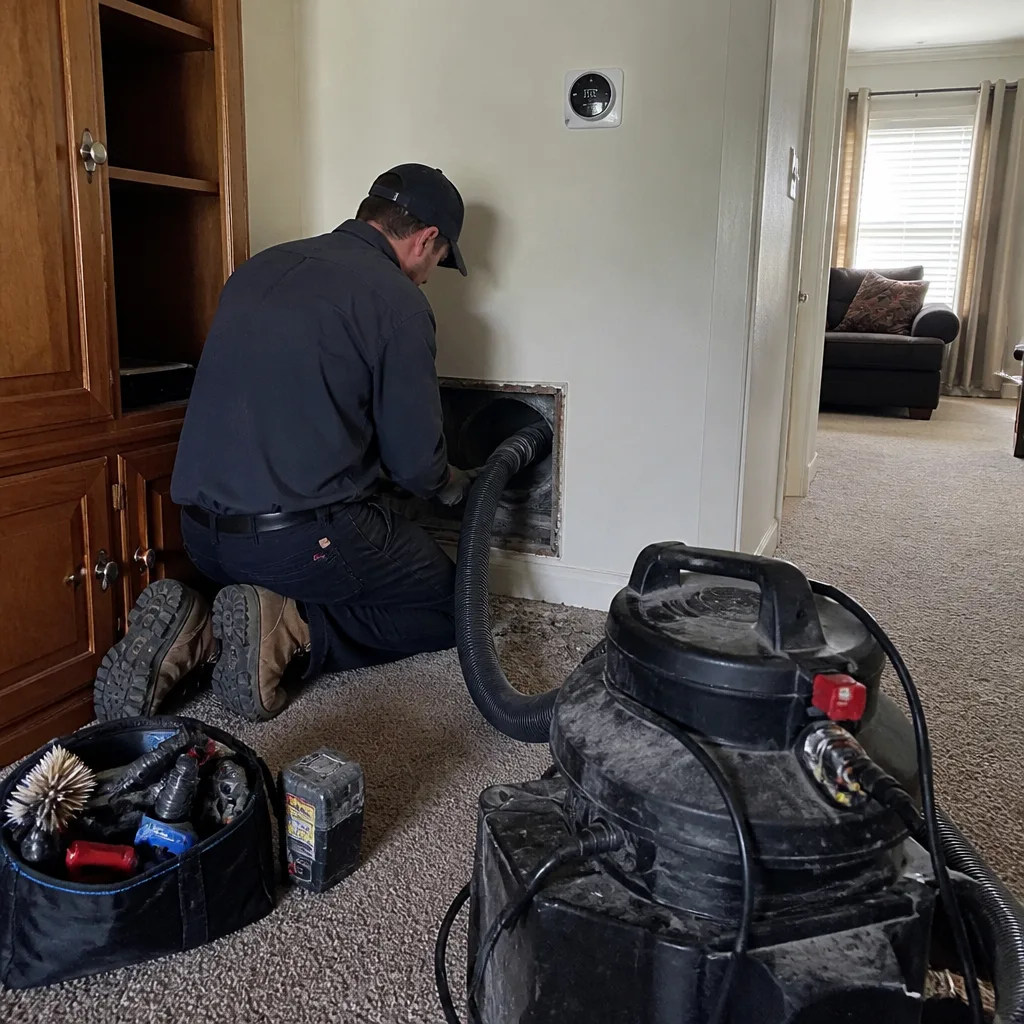 Before
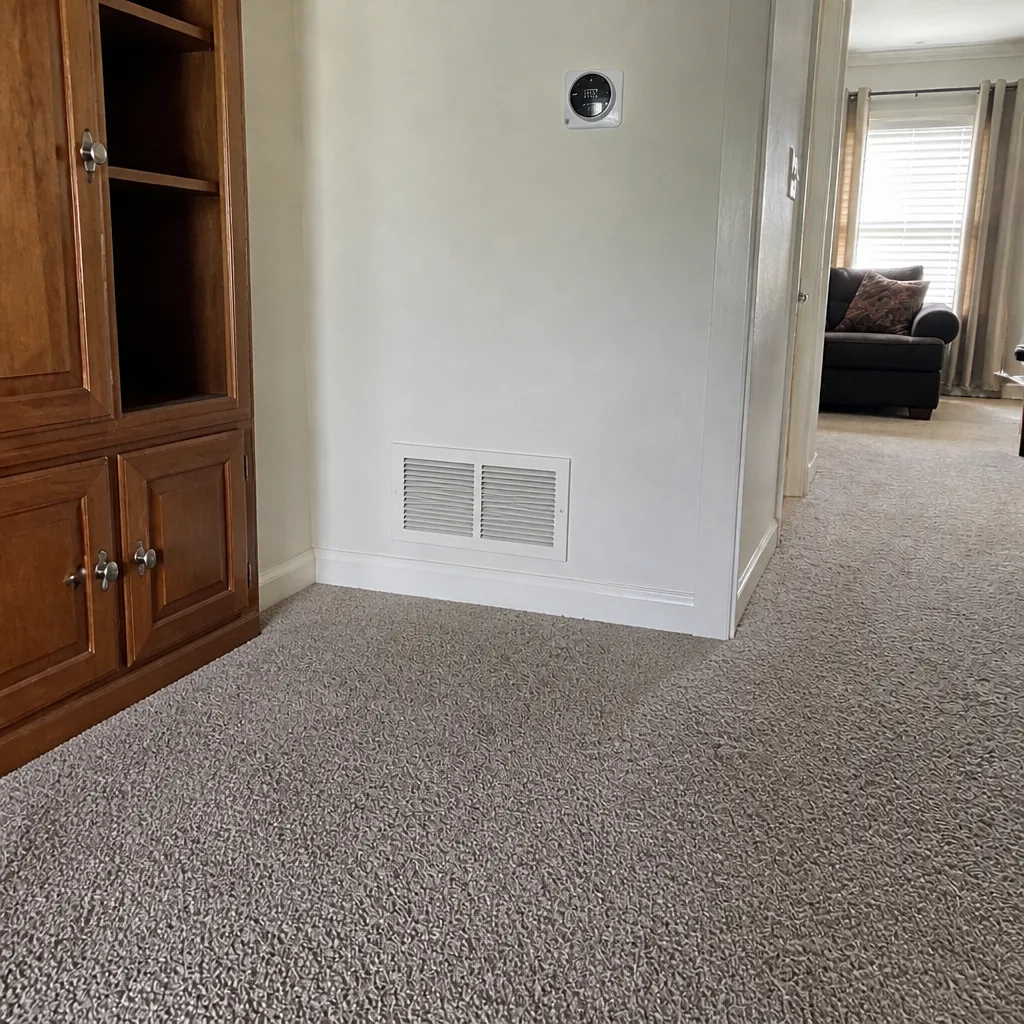 After
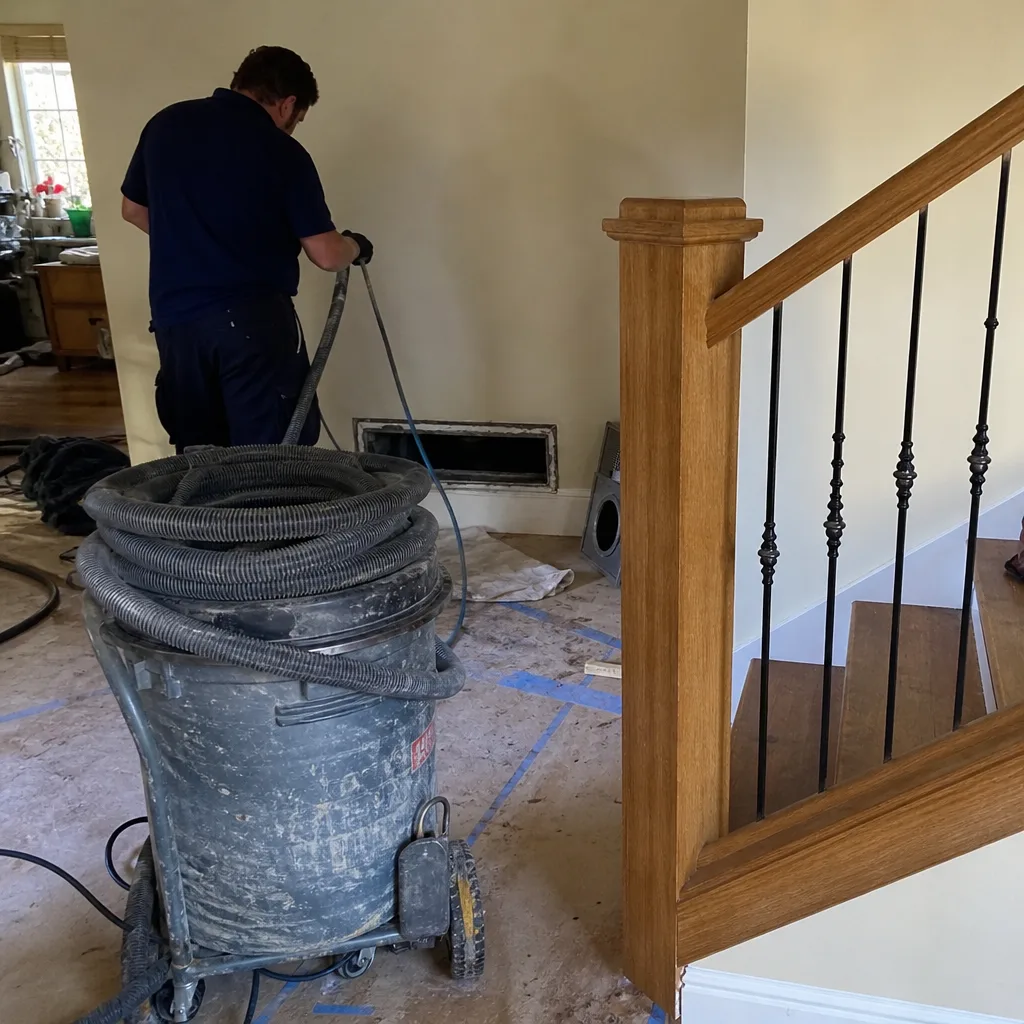 Before
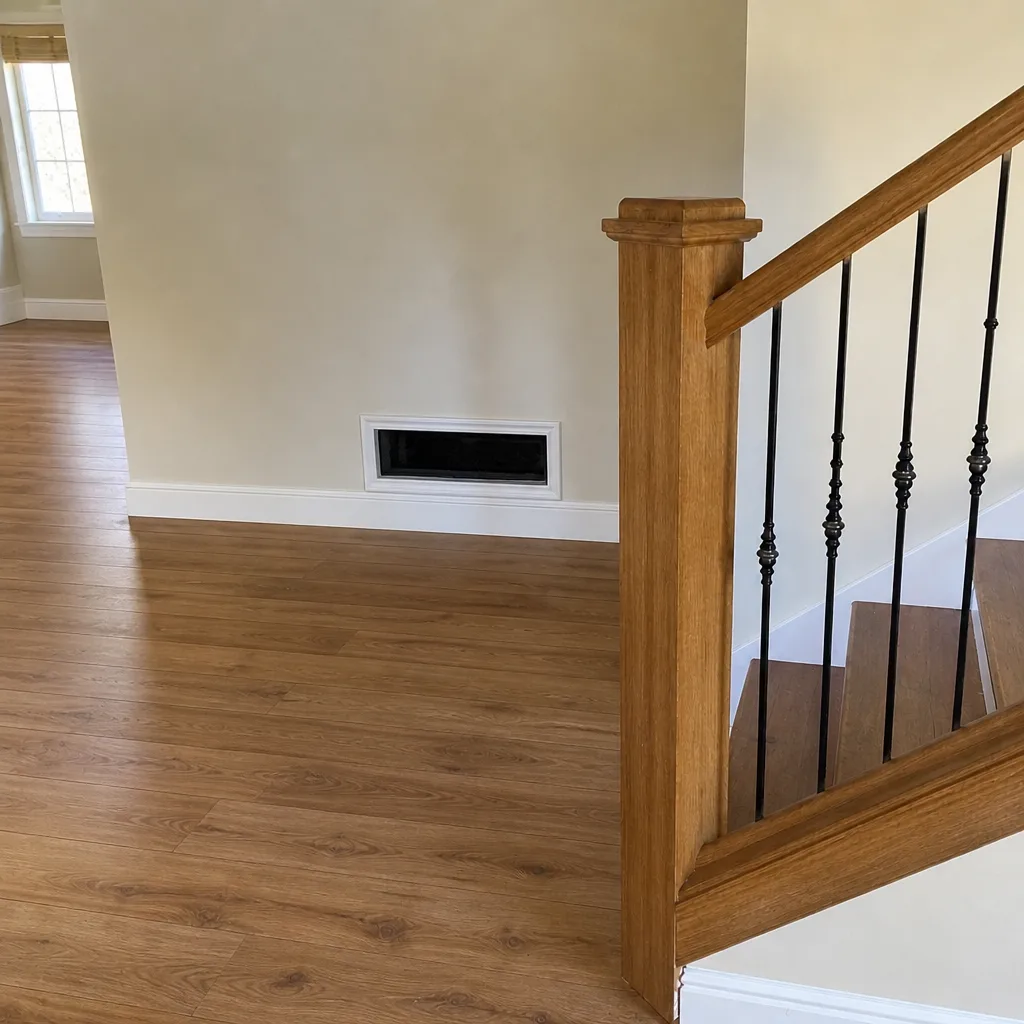 After
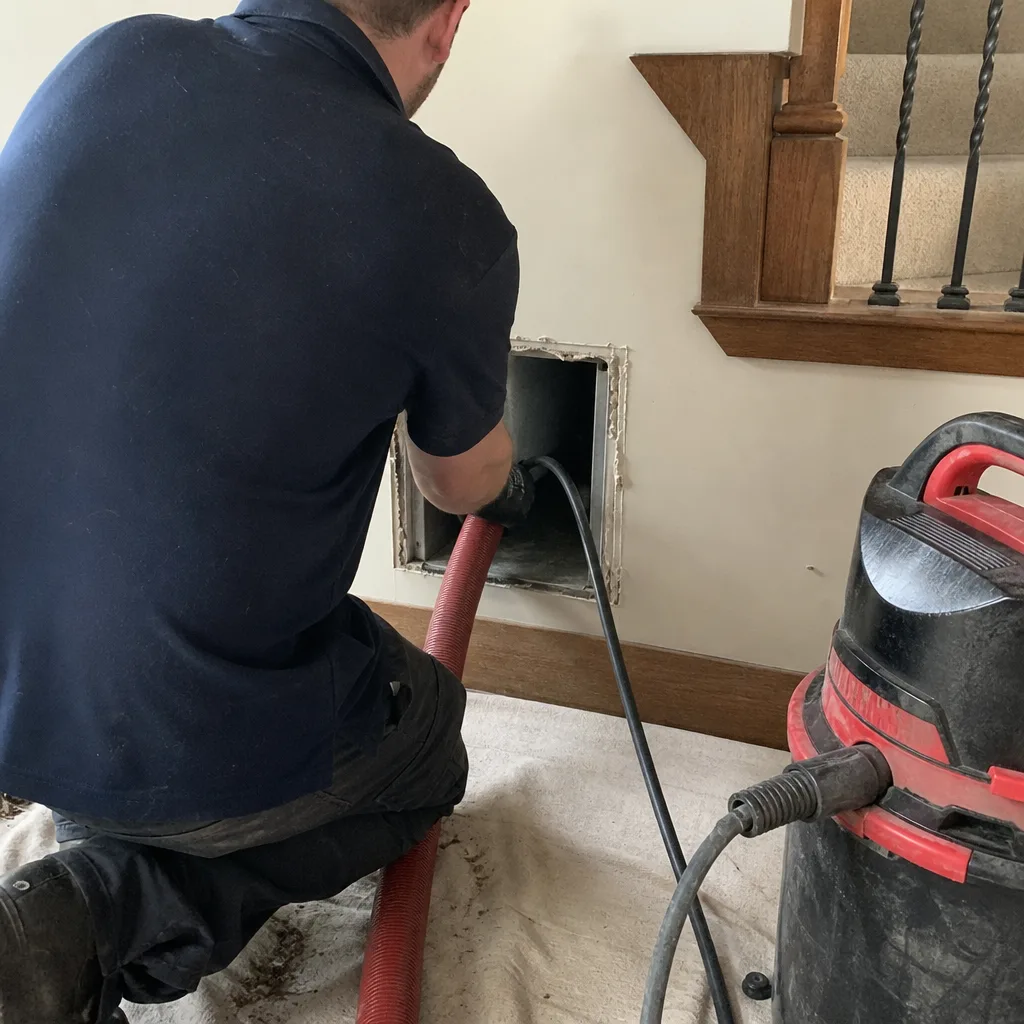 Before
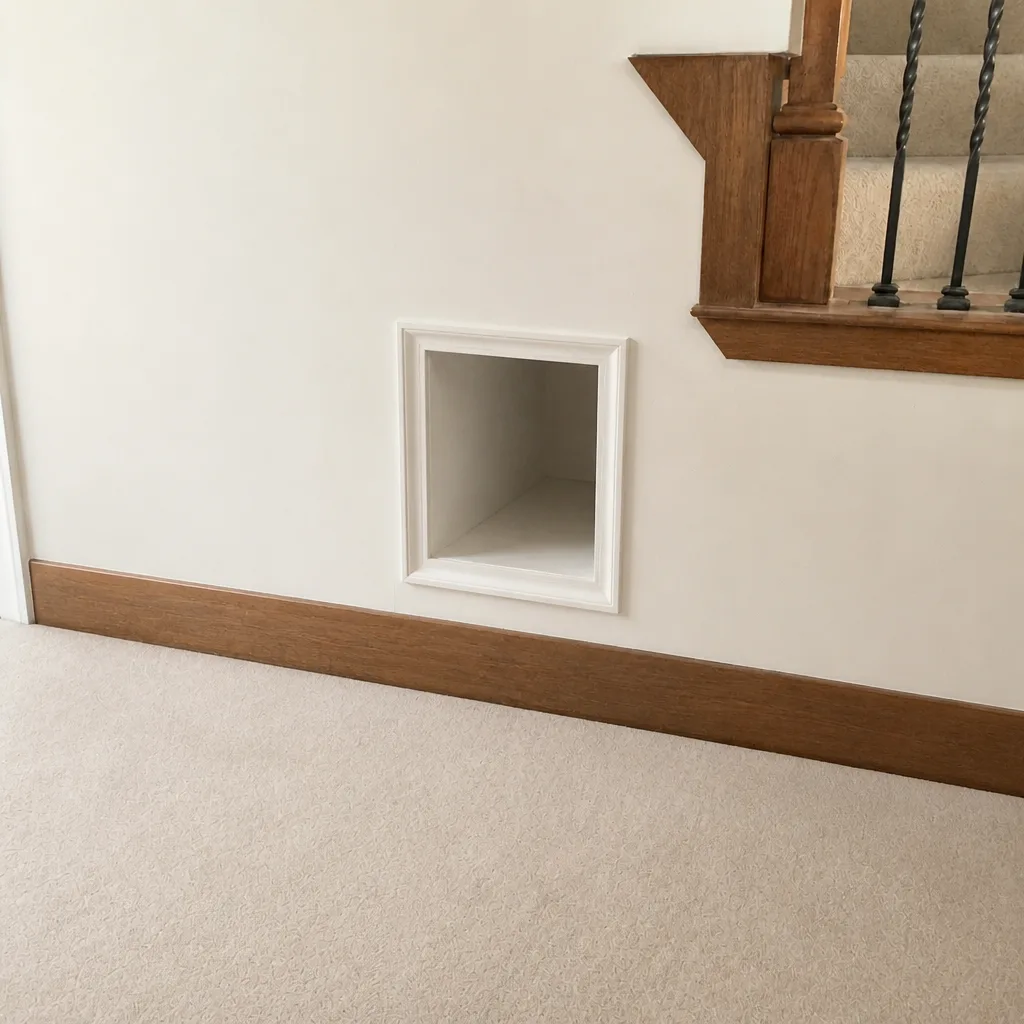 After
When to Call a Professional
Call a professional when you see visible dust trails at registers, when a recent remodel has left construction dust in the system, when anyone in the home has new or worsening allergy symptoms, when the dryer takes longer than it used to, or when any estimate lands well below the $400 to $900 range for a home your size. Call when you can smell the system when the furnace kicks on, when a room’s airflow has dropped noticeably, or when you’re about to move into a home whose duct history you can’t verify. Steadfast Air Duct Cleaning offers free estimates in Portland – call (877) 957-0767. We answer 24/7. Fast dispatch from 7am to 7pm, Sunday through Friday, closed Saturday. Our technicians have up to 8 years of experience.
Frequently Asked Questions
Air duct cleaning in Portland typically costs $400 to $900 for a whole-house system, with simple single-story homes landing toward the lower end and larger or hard-access homes toward the upper end. The written estimate, not the phone quote, sets the final price. Call (877) 957-0767 for an exact quote – estimates are free.
Cheap quotes are almost always covering a smaller scope: fewer vents, suction-only cleaning, no trunk-line agitation, and consumer-grade equipment. A $199 special is not the same job as a $600 whole-system clean, and comparing them directly isn’t a price comparison. Ask what equipment and scope the quote covers before you compare dollars. Call (877) 957-0767 – we’ll walk you through the difference on your specific home.
You should receive before-and-after photos of your own duct system, not stock images. A written summary of the findings and any damage noted is the other proof point. Ask for both at the estimate stage, so you know before the crew arrives what documentation you’ll receive. Call (877) 957-0767 to schedule an estimate and see what documentation we provide.
Every three to five years is typical for most Portland homes, though a few factors push that shorter: pets, recent remodels, wildfire-smoke seasons, and homes with allergy sufferers in the household. Homes near busy corridors collect road dust faster, and homes in older parts of the city with fiberboard or early flex ducts benefit from more frequent inspection. Call (877) 957-0767 if you’re not sure where your home falls.
Cleaning helps if the system itself is the source of what you’re reacting to – if accumulated dust and pollen in the ducts is what’s blowing back into rooms. Cleaning doesn’t help if the source is elsewhere in the home. A professional inspection distinguishes the two. Call (877) 957-0767 to talk through your situation.
Yes, if both are due. Dryer vent lint buildup is a documented fire risk and a completely separate system from your HVAC ducts, so it needs its own scope. It’s efficient to schedule both in one visit, but neither should be reduced to a $40 throw-in – each is a real job. Call (877) 957-0767 to discuss what your home needs.
The Bottom Line
Portland duct cleaning runs $400 to $900 for a whole-house system, and any quote well outside that range needs a written explanation of what it does or doesn’t include. Per-vent pricing is the most common model but exposes you to recount risk, while whole-system pricing agreed before work starts removes that risk entirely. Duct type and access difficulty drive the labor side of the quote. Abatement Technologies containment, Rotobrush and Nikro agitation, and before-and-after photos of your own system are the markers of a real job – not the price tag alone. Read every quote against this guide. If it doesn’t name the scope, the equipment, and the documentation, it’s not a firm quote yet.
Steadfast Air Duct Cleaning is a dedicated Steadfast Air Duct Cleaning specialist in Portland, offering three defined services: air duct cleaning, dryer vent cleaning, and air duct repair. We use Rotobrush and Nikro systems – not consumer vacuums – alongside Abatement Technologies filtration on every job, and we price per system, not per vent. Call (877) 957-0767 for a free estimate. We answer 24/7. Fast dispatch from 7am to 7pm, Sunday through Friday, closed Saturday.
Written by the team at Steadfast Air Duct Cleaning.