
Last updated November 15, 2026
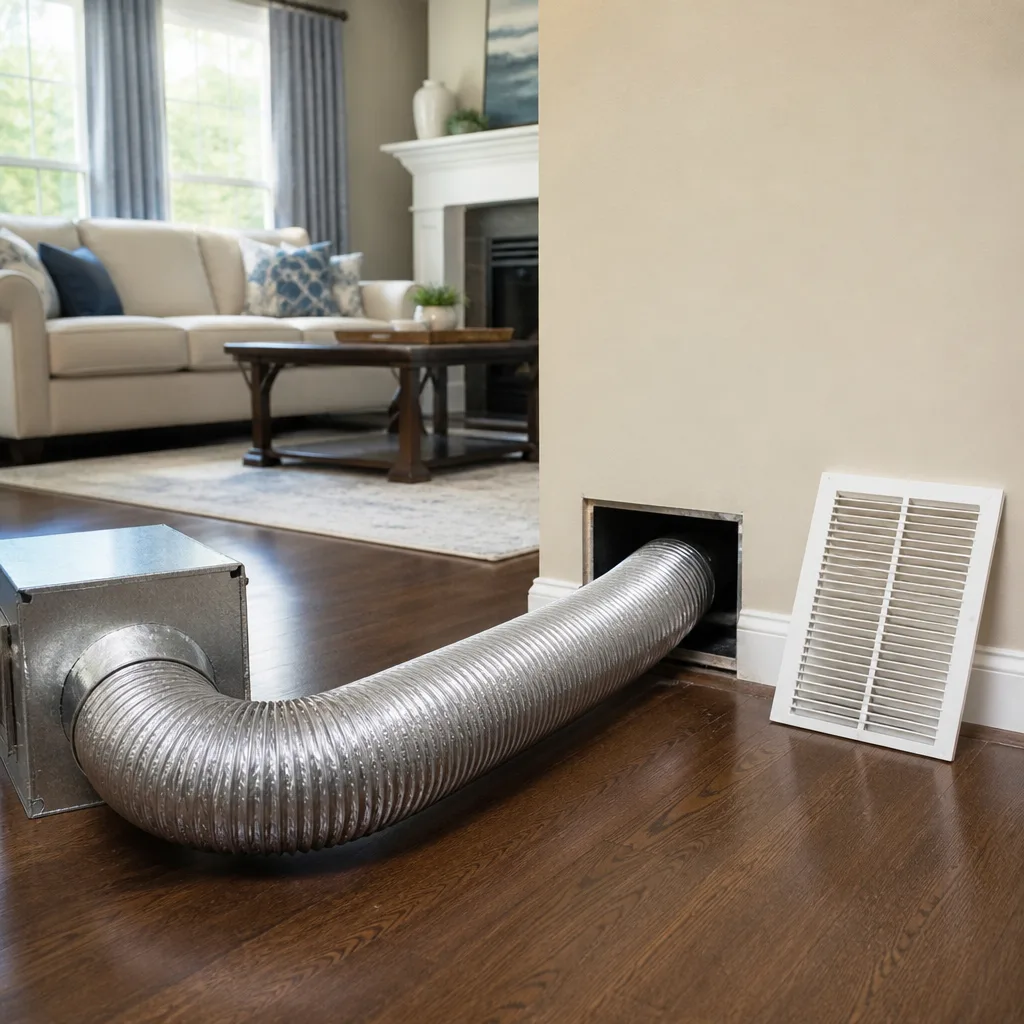 Whole-home duct cleaning
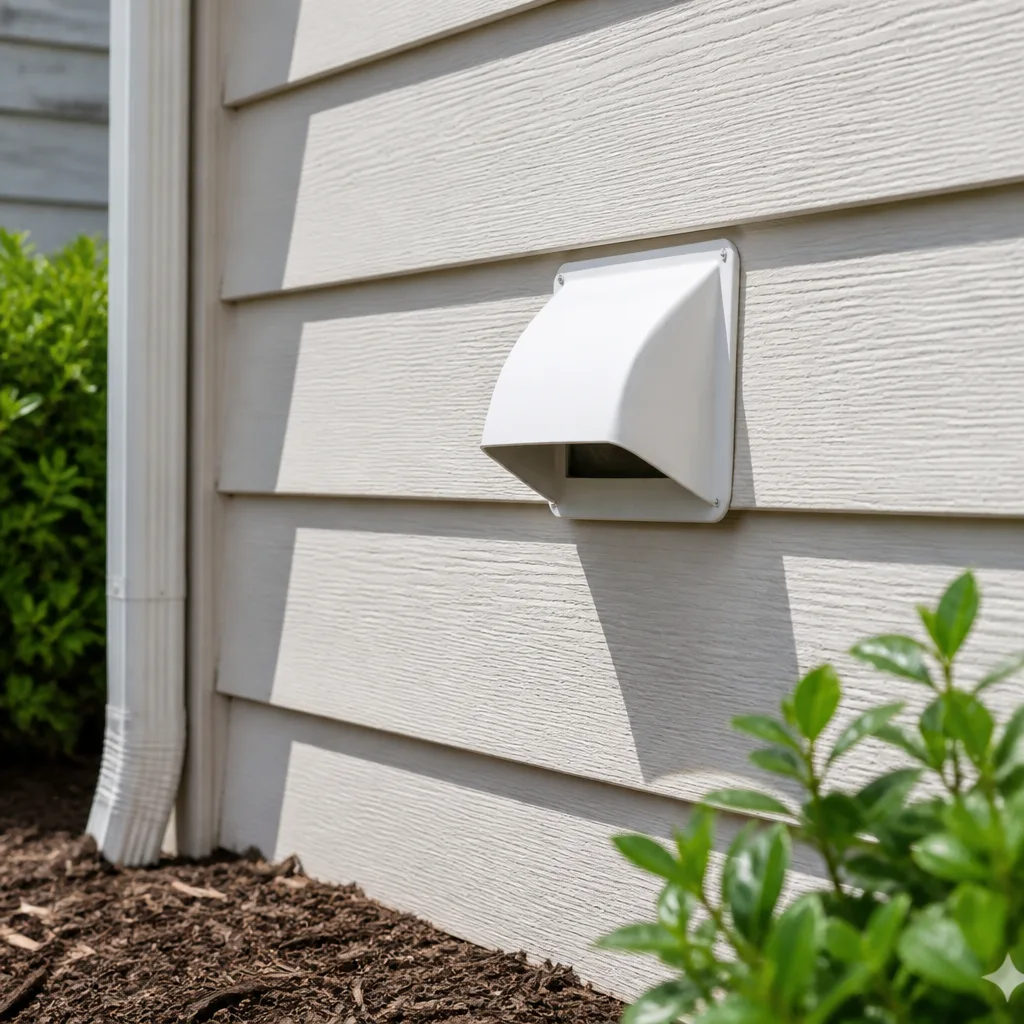 Dryer vent cleaning
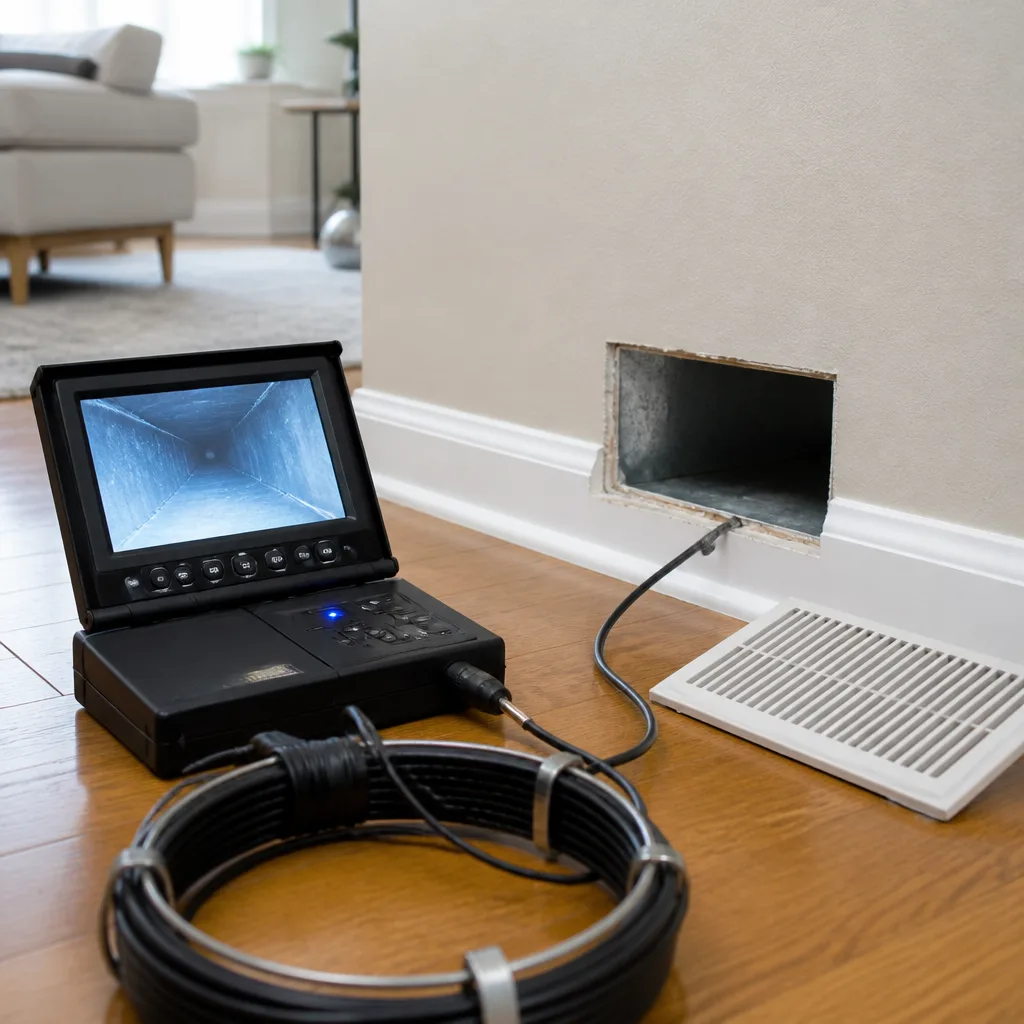 Camera inspection
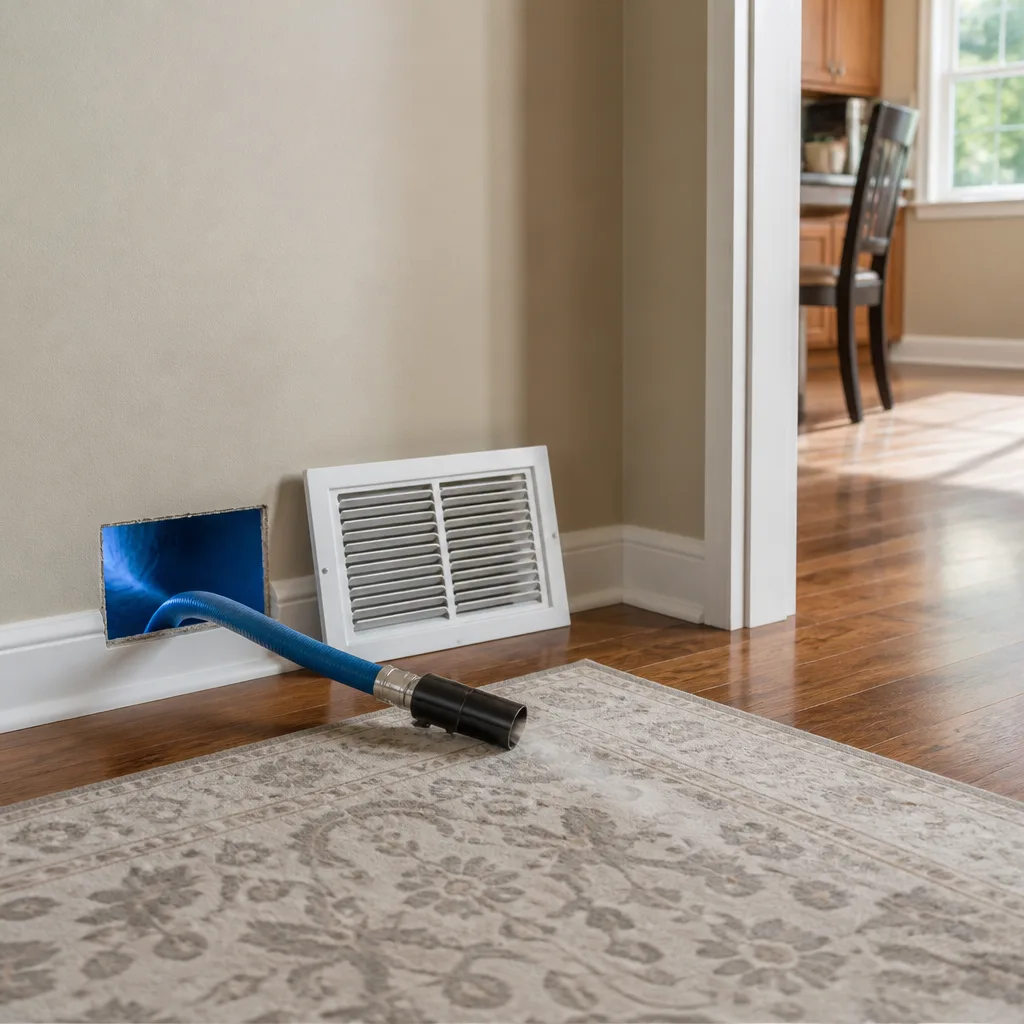 Sanitizing & deodorizing
Whole-system duct and dryer vent check with before-and-after photos - you see exactly what came out of your vents
That "$99 whole-house special" is a bait ad - the real number appears once they are in your hallway, or the "clean" is a shop-vac at the register. We photograph the inside of your ducts before and after instead.
Air Duct Cleaning Maintenance Schedule: What to Do and When
The advice that ducts “don’t need cleaning on a set schedule” started as a rebuttal to aggressive sales tactics. It was never a recommendation to ignore your system for a decade. Yet that’s exactly how most homeowners use it. A single cleaning every 3 to 5 years isn’t a schedule at all. It’s a reaction, dressed up as a plan. In Portland, where spring pollen, wildfire-smoke season, and months of damp air all pass through your ductwork, a real maintenance schedule responds to your home’s actual load: how many people live there, how many pets, whether you’ve remodeled, and when the seasons turn. This guide explains how to build a schedule around your house, what you can maintain yourself between professional visits, and why dryer vents run on a much faster clock.
Quick Answer
Air ducts in most Portland homes should be professionally cleaned every 3 to 5 years, but that window compresses to 18 to 24 months if you have pets, smokers, allergy diagnoses, or a recent remodel. Build the schedule around two seasonal checkpoints: after wildfire-smoke season clears and after the rainy season ends. Dryer vents follow a separate, shorter timeline and are not optional.
Styles & brands we work with
- Whole-home duct cleaning
- Dryer vent cleaning
- Camera inspection
- Sanitizing & deodorizing
Table of Contents
- Why Fixed Intervals Miss the Point
- The Load Factors That Compress Your Interval
- Portland’s Two Inspection Windows
- What You Can Maintain Between Cleanings
- How to Document Duct Condition Over Time
- The Dryer Vent Timeline Is Separate
- What a Professional Cleaning Actually Involves
- Common Mistakes to Avoid
- When to Call a Professional
Why Fixed Intervals Miss the Point
Two houses on the same street can need completely different cleaning intervals. One is a two-adult household with no pets and a well-sealed return system. The other has three kids, two dogs, and a return grille that pulls air straight off a dusty hallway floor. Treating both as “every five years” households is lazy scheduling, and it means the second home spends years recirculating material it shouldn’t.
A maintenance schedule is really a risk model. Every household condition either adds load to the system or reduces it. The job is to figure out which direction your house leans, then set an interval that responds to it. We’ve found that homeowners who understand their own load factors tend to call for a cleaning at the right moment rather than in a panic or on a coupon they got in the mail.
There’s a practical point here for anyone in Portland: duct systems here aren’t sealed the way newer construction tends to be. Older homes in neighborhoods like Sellwood and Laurelhurst frequently have return runs that were retrofitted into crawlspaces or wall cavities, and those runs collect dust in ways a sealed modern system simply doesn’t. That’s a structural feature of the housing stock, not a defect.
The Load Factors That Compress Your Interval
The standard 3 to 5 year window assumes a baseline household: no pets, no smokers, no recent renovation, and no respiratory diagnosis in the family. If any of those change, the interval compresses. Here’s how the math works in our experience.
Pets. One dog or cat roughly halves the practical interval. Two or more, and you’re looking at the shorter end of 18 to 24 months. Pet dander is finer than household dust and tends to coat duct walls rather than settle in one place, which means a light surface clean doesn’t touch it.
Smokers in the home. Tobacco residue acts like a tack, capturing new dust as it moves past. That combination is why smoking households see buildup much faster than the nominal interval would suggest.
Recent renovation. Drywall dust, sawdust, and insulation fibers all migrate into the return system during a remodel, even when the system is shut off. We recommend a cleaning after any renovation that involved wall or ceiling work, not years later.
Allergy or asthma diagnoses. If a family member has been diagnosed with allergies or asthma, the schedule shifts from “when it looks dirty” to “before symptoms escalate.” That usually means an inspection at 18 months and a cleaning based on what inspection finds.
New construction. New builds shed construction debris for the first 12 to 24 months. An initial cleaning is often worthwhile within that window, then a return to the standard interval.
- Two adults, no pets, no recent work: 3 to 5 years
- One pet: 2 to 3 years
- Two or more pets: 18 to 24 months
- Smokers: 18 to 24 months
- Recent remodel: clean immediately after completion
- Allergy diagnosis: inspect at 18 months, then decide
Portland’s Two Inspection Windows
Seasons matter more in Portland than in many cities because the climate does two distinctive things. First, the rainy season runs long, and homes stay closed up for months at a stretch. Second, wildfire smoke drifts into the metro area in summer and early fall, and even homes with windows closed pull some of it through the return system.
Those two realities define the two best inspection windows of the year.
- Post-wildfire-smoke window. Late summer or early fall, once the smoke hazards have cleared. This is when you want to check the filter and the return grilles for visible smoke residue. Smoke particles are fine enough to ride past a mid-grade filter, so a visual inspection is worth the ten minutes.
- Post-rainy-season window. Late spring, after the wet months end. This is when you want to look at the accessible duct runs for any sign of moisture, condensation, or musty odor. Damp conditions in the Pacific Northwest can reveal small duct issues before they become larger ones.
If you’re building a schedule for a home in Portland, these two checkpoints are the natural bookends. You look at the system twice a year and clean on the interval your load factors dictate. Between the two, you’re making decisions from observation, not from a calendar that someone else set.
What You Can Maintain Between Cleanings
Professional cleanings reset the system. What happens between them determines how quickly it gets dirty again. Here’s what’s worth doing yourself.
Filter grading: understanding MERV ratings
MERV stands for Minimum Efficiency Reporting Value, and it grades how effectively a filter captures particles of different sizes. Higher MERV means finer capture, but also more airflow restriction. Most residential systems are designed around a filter in the MERV 8 to MERV 11 range. Going much higher without confirming your system can handle the pressure drop can starve airflow and strain the blower. Ask your HVAC professional what your system’s filter slot was designed for; don’t assume the highest number is the best.
- MERV 6 to 8: basic household dust and pollen. Fine for low-load homes.
- MERV 9 to 11: pet dander, mold spores, finer dust. Good middle ground for most homes.
- MERV 12 to 13: fine particles including some smoke. Check system compatibility first.
- MERV 14+: near-HEPA. Typically too restrictive for standard residential systems without a modification.
Change filters on the schedule your home’s load demands. A low-load home might go three months. A pet household, one month. Hold the filter up to a light: if you can’t see through it in normal daylight, it’s done.
Return grille cleaning cadence
Return grilles are the intake side of the system, and they collect visible dust faster than any other part. Vacuum the face of each return grille monthly with a brush attachment. Pop the grille off quarterly and vacuum the inside of the frame. This alone reduces how much material enters the duct runs.
Supply register wipe-downs
Supply registers push air out, so they collect dust on the outside of the vanes. A quick wipe monthly keeps them from discoloring the ceiling or wall around them and makes it easier to spot when the runs themselves might need attention.
Dryer vent lint trap check
Empty the lint trap before every load. This is not optional, and it’s the single highest-value habit in home air maintenance. We’ll cover the vent itself below.
How to Document Duct Condition Over Time
Most homeowners can’t remember when the ducts were last cleaned. “A few years ago” is common. “I think the previous owner did it” is also common. Either way, you’re making decisions on guesswork. Fix it with a simple notebook or a folder on your phone.
What to record:
- Date of cleaning. The exact date, not the year.
- Before-and-after photos. Ask for these before any work starts. Any reputable cleaner provides them without being asked. Photos of your own ducts are the difference between proof and a promise.
- Filter MERV rating and size. Write down which filter is installed so replacements match.
- Any duct damage noted. If the technician flagged a loose joint, a disconnected run in the attic, or a crushed flex section, note the location so the next inspection can verify it was fixed.
- Visible condition at inspection. “Clean, light dust” or “heavy dust on returns” is enough. You’re tracking trends, not writing a formal report.
With three or four entries, a pattern emerges. If you’re seeing heavy accumulation every 18 months in a home with no pets and no renovation, that’s worth a closer look at duct sealing. Sometimes the schedule is trying to tell you the system needs repair, not just another cleaning.
The Dryer Vent Timeline Is Separate
Dryer vent cleaning runs on a much shorter cycle than air duct cleaning, and it answers to a different standard. The National Fire Protection Association (NFPA) cites lint buildup in dryer vents as a leading contributor to residential fires. The vent doesn’t wait for your three-to-five-year window. It needs to be cleared substantially more often.
A standard residential dryer vent should be cleaned roughly once a year. Homes doing heavy laundry volume, households with multiple residents, or vents that run long distances or through many elbows may need it every six to nine months. The warning signs that it’s overdue:
- Clothes take longer than usual to dry, or need a second cycle
- The dryer feels hot to the touch during operation
- The outside vent flap doesn’t open fully or lints up quickly
- A burning or musty smell near the dryer
- Visible lint around the outside vent hood
We treat dryer vent cleaning as its own service line because it’s a fire-safety job, not an air-quality job. The tools, the access points, and the risks are different from duct cleaning. Treat it on its own calendar.
What a Professional Cleaning Actually Involves
Equipment separates a real cleaning from a surface touch. Shop vacuums recirculate fine particles back into the room. Professional systems don’t. Here’s what a full cleaning typically involves, in order.
- Inspection and photos. We open the system, photograph the accessible runs, and confirm what we’re seeing before we touch anything. Before-and-after photos get provided to you.
- Negative-pressure setup. A high-powered vacuum is connected to the main trunk or a dedicated access point to hold the system under negative pressure throughout the clean.
- Agitation of duct walls. Rotary brush systems and air whips dislodge material attached to duct walls, which is the material simple vacuuming leaves behind. This is where Rotobrush and Nikro systems do work that light equipment can’t.
- Source and return cleaning. Registers, grilles, and blower-adjacent areas are cleaned as part of the job. The plenum and main trunk runs are cleaned end to end.
- Containment and filtration. We run Abatement Technologies air filtration equipment throughout the job to capture dislodged particles at the source, not recirculate them through the house.
- Post-clean inspection. Another set of photos, a check for anything flagged during the clean, and any duct damage noted for repair. We offer air duct repair as a standalone service, so anything we find can be sealed, patched, or restored rather than just noted.
We handle all three services through Steadfast Air Duct Cleaning: air duct cleaning, dryer vent cleaning, and air duct repair. Each one is a specialist job, not an upsell from someone who also installs water heaters and hangs gutters. Our technicians have up to 8 years of experience, and we work with Honeywell, Aprilaire, and Guardsman air quality systems when the home has them installed, which helps us put the duct condition in context of the whole air system. You can read more about our approach on the air duct cleaning page.
Common Mistakes to Avoid
- Thinking “the ducts are fine, I just cleaned them.” If you can’t remember when, it’s time to inspect. Most homeowners in Portland are running on a memory of a memory.
- Using a shop vac for DIY cleaning. Consumer vacuums don’t hold duct systems under negative pressure and they don’t agitate the walls. You’ll dislodge more than you collect.
- Skipping the dryer vent because the ducts are clean. They’re separate systems on separate schedules. A clean duct system says nothing about your dryer vent.
- Chasing the lowest coupon price. Cheap cleaning usually means a surface vacuum, no containment, and no photos. You’ll pay twice to get the job done properly.
- Replacing filters with the highest MERV available. A filter that starves airflow can stress the blower motor and shorten the equipment’s life.
- Ignoring seasonal checkpoints. In Portland’s climate, the post-smoke-season and post-rainy-season inspections catch problems that a random calendar cleaning never would.
- Cleaning before addressing damaged duct runs. A leaking duct will just re-dirty the whole system. Fix the seal first, or at the same time.
When to Call a Professional
Call for a professional cleaning or inspection when any of these apply: it’s been more than 3 to 5 years since your last cleaning, or more than 18 to 24 months if your household has pets, smokers, or a recent remodel. Call sooner if you’re seeing visible dust streaming from supply registers, if there’s a persistent musty smell when the system runs, if a family member’s allergy symptoms have worsened, or if your dryer is running longer than usual. Call immediately after any renovation that generated heavy dust. Call before you sell a home or move into a newly purchased one so you know the state of the system you’re inheriting.
Steadfast Air Duct Cleaning offers free estimates in Portland. Call (877) 957-0767. We answer 24/7. Fast dispatch from 7am to 7pm, Sunday through Friday.
See the difference
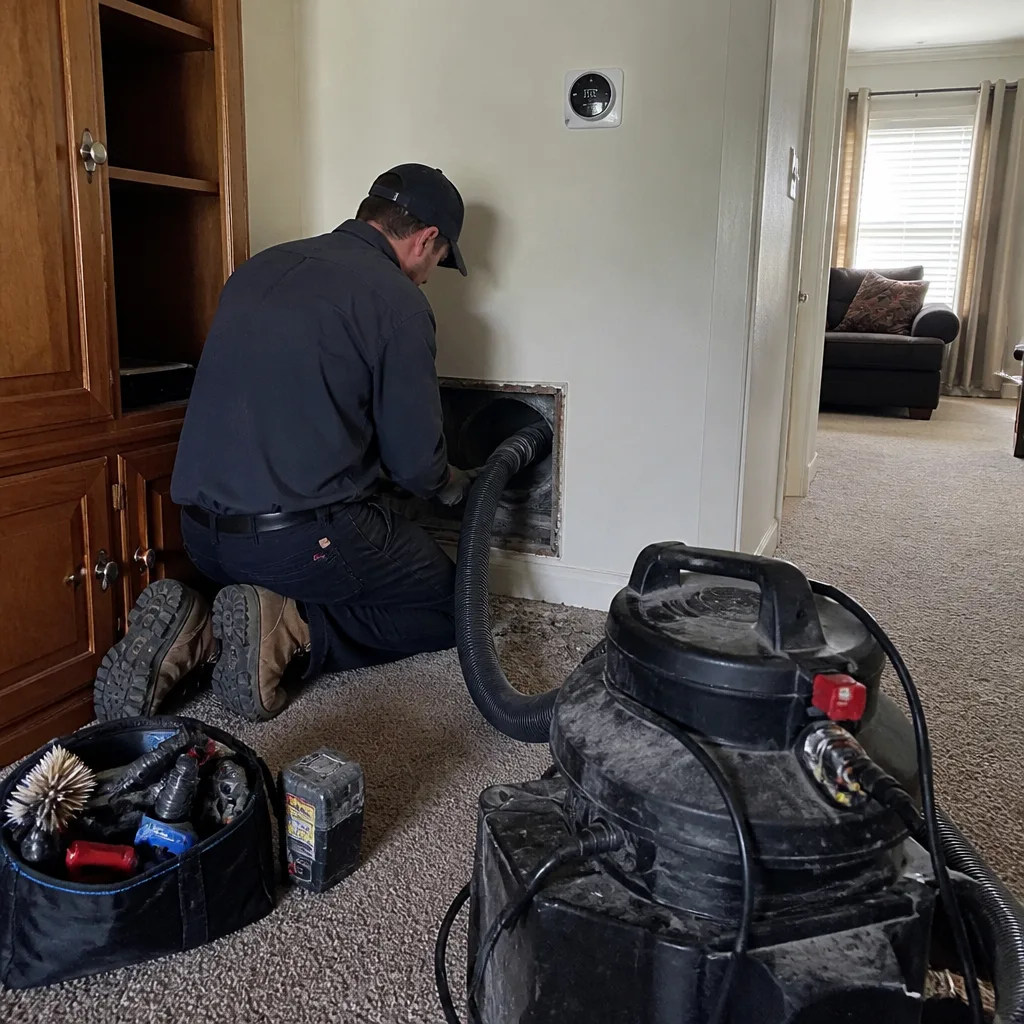 Before
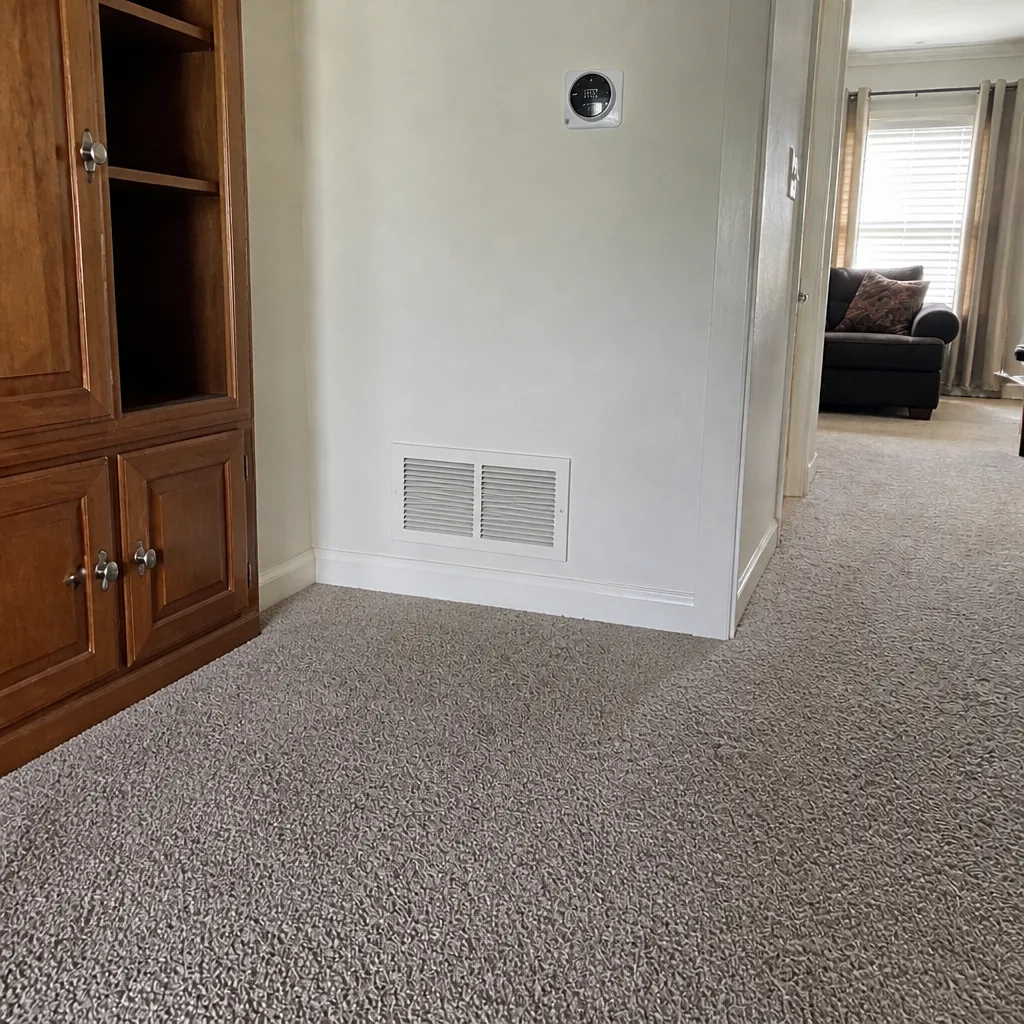 After
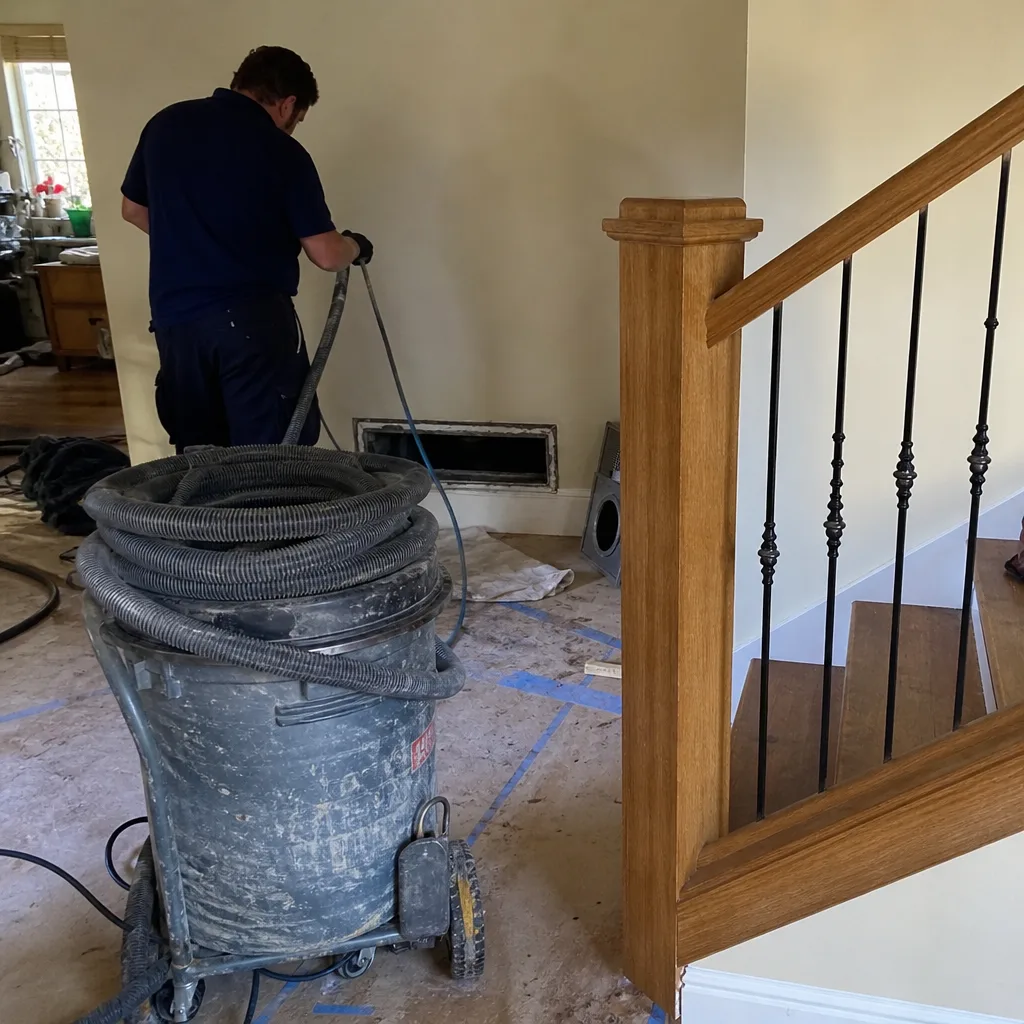 Before
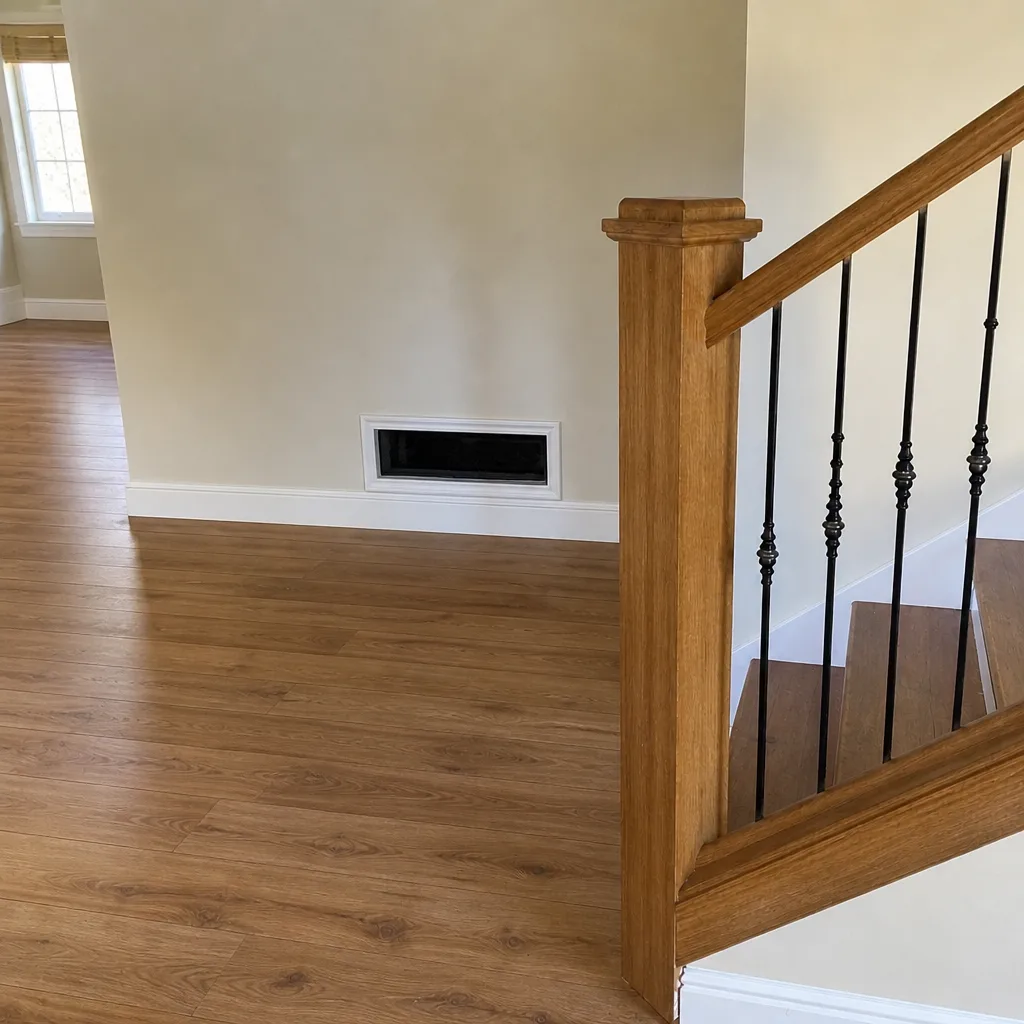 After
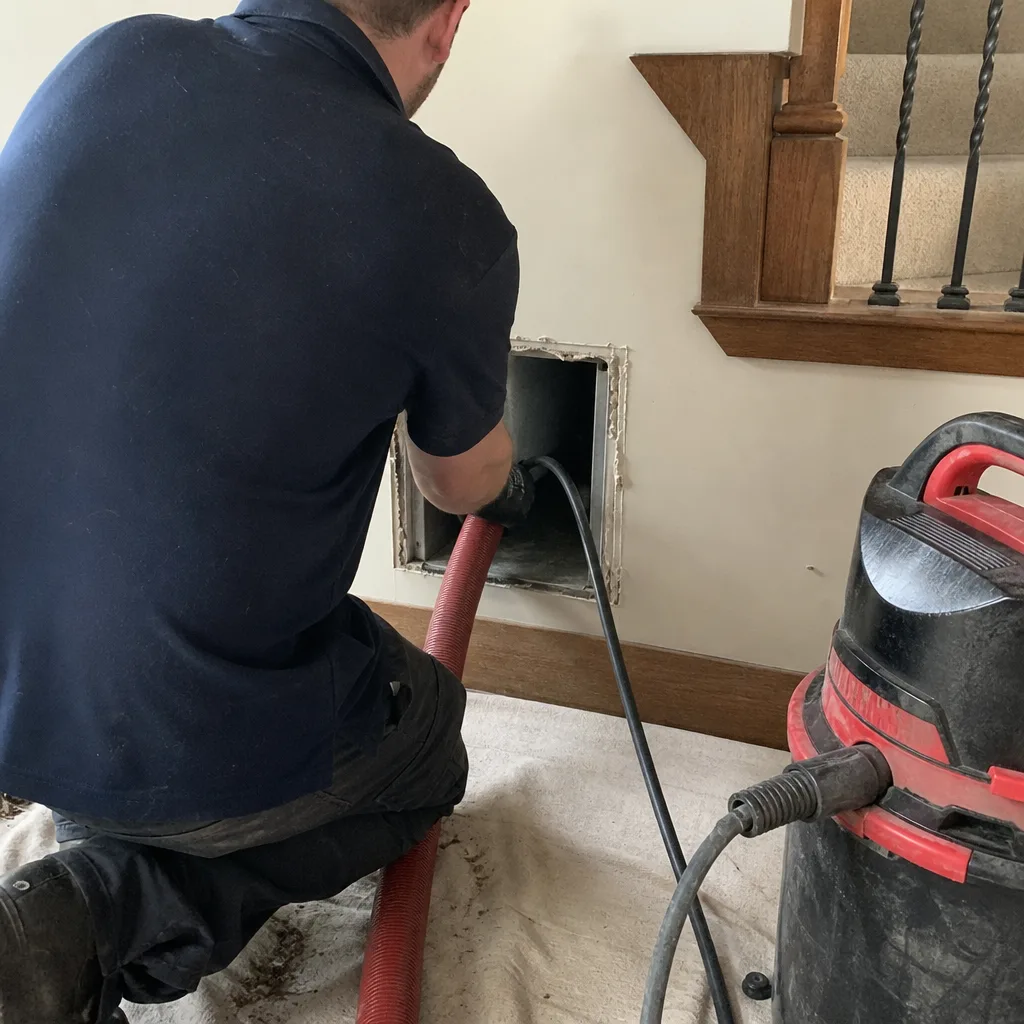 Before
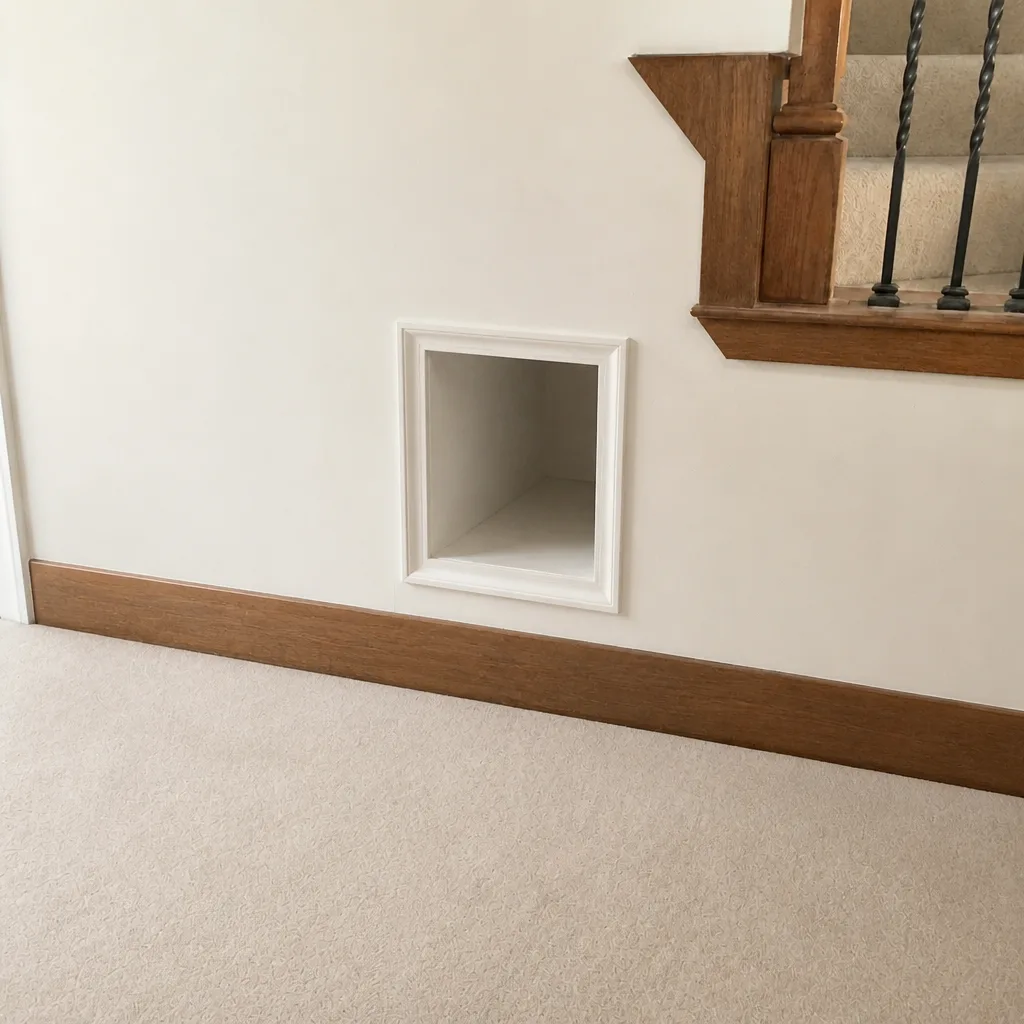 After
Frequently Asked Questions
Every 3 to 5 years for most homes, compressed to 18 to 24 months for households with pets, smokers, recent remodels, or allergy diagnoses. Portland’s wildfire-smoke season and long rainy season both add load to the system, which is why we recommend two seasonal inspections per year regardless of cleaning interval.
The EPA’s position is that ducts don’t need cleaning on a fixed schedule and that no evidence supports routine cleaning as a health measure. That’s accurate and it should inform your decision. What the guidance doesn’t say is that ducts never need cleaning. Homes with visible buildup, pets, recent renovations, or identified contaminants (mold, pest activity, dust from construction) are exactly the cases the EPA acknowledges warrant attention. The way to use the guidance is to make cleaning a decision, not a calendar event. Call (877) 957-0767 for a free estimate if you’re uncertain whether your home qualifies.
Steadfast quotes per job based on the specific system and condition, not a flat coupon figure. The honest way to compare quotes is to ask exactly what equipment will be used, whether containment filtration is included, and whether before-and-after photos are provided. A price that doesn’t answer those three questions is comparing apples to oranges. Call (877) 957-0767 for a free estimate – the written quote sets the final price.
Before-and-after photos of your own ducts, taken during the job. Any reputable cleaner provides these without being asked. A cleaning you can’t verify is a cleaning you have to take on faith, and in this industry that’s a bad idea.
You can vacuum the grilles and registers yourself, and you should, monthly. What a shop vac can’t do is hold the duct system under negative pressure, agitate material off the duct walls, or contain dislodged particles during the process. Those three things are what separate a real cleaning from a surface pass, and they require professional equipment like the Rotobrush and Nikro systems we use.
Because they’re pricing a different job. The cheapest quotes usually cover a surface vacuum with a shop-grade machine, no containment, and no proof photos. They leave the material attached to the duct walls exactly where they found it. Ask each company what equipment they use and whether containment filtration is standard on every job. If they can’t answer specifically, the cheaper price isn’t a discount – it’s a different service. Call (877) 957-0767 for a free estimate on the version of the job you actually want.
The Bottom Line
A real maintenance schedule for your ducts has two layers. The cleaning interval is set by your household’s load factors, not a number printed on a coupon. The checkpoints are seasonal, aligned to Portland’s wildfire-smoke season and rainy season so you’re inspecting when conditions warrant it. Between professional cleanings, filter changes, return grille vacuuming, and lint-trap discipline do most of the work. Record dates and photos so you can make decisions on evidence rather than guesswork. Dryer vents run on a separate, shorter cycle because the fire risk doesn’t wait for your duct schedule. Do all of that, and the “how often should ducts be cleaned” question becomes much easier to answer for your specific house. If it’s time for an inspection, call (877) 957-0767. We answer 24/7. Fast dispatch from 7am to 7pm, Sunday through Friday. Estimates are free.
Written by the team at Steadfast Air Duct Cleaning.